
Top Signs You Need Air Duct Cleaning Service – Don’t Ignore These
The most reliable signs you need air duct cleaning are a musty odor right after the HVAC kicks on, visible mold at a register, a cluster of new respiratory symptoms in the household, and uneven airflow between rooms. Visible dust on a vent cover is not on that list. In our experience, a dusty grille usually means a clogged filter or a leaky return, not a duct system packed with debris. The signs that actually matter are subtler, and they sort into a hierarchy. Some mean act now. Others mean schedule it this season. Learning the difference keeps you from paying for a cleaning you don’t need and, more importantly, from ignoring contamination that’s already circulating. If you’d rather not sort it out yourself, call (877) 792-7174.
Why Dusty Vents Are the Weakest Signal
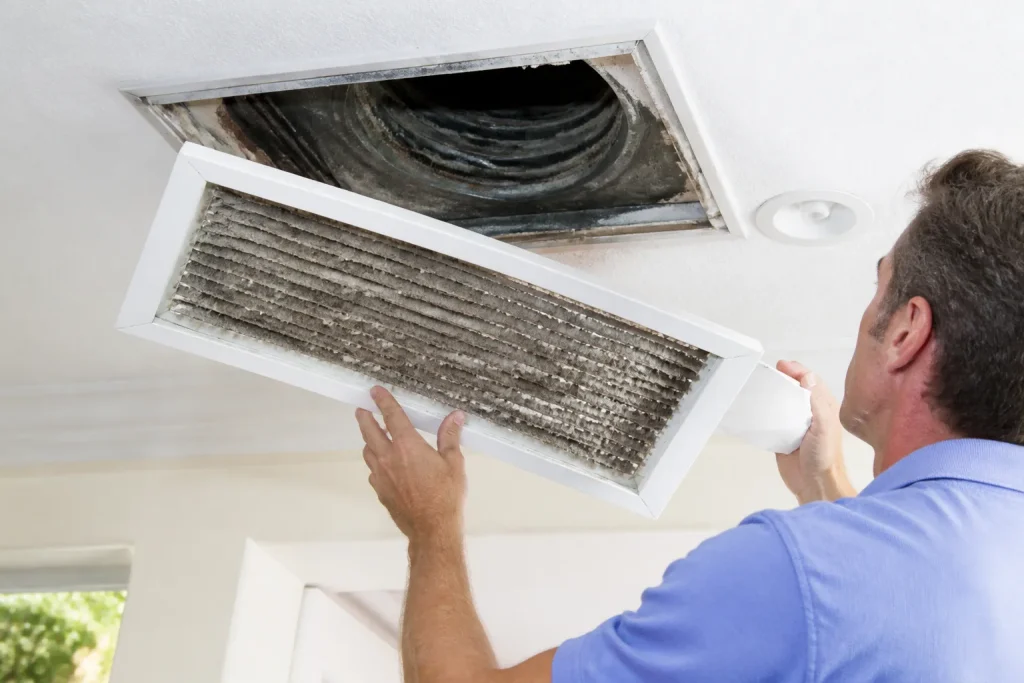
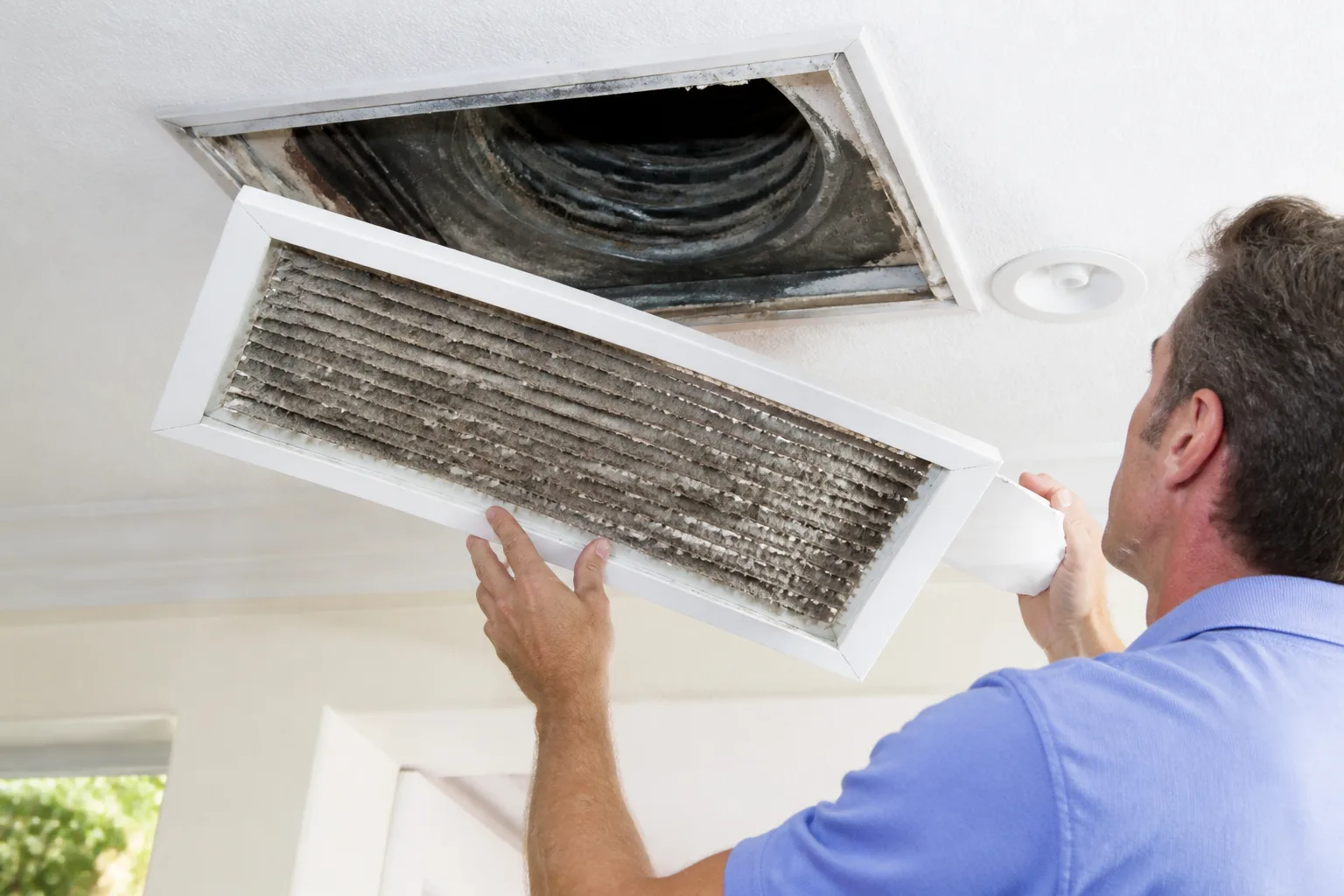
A dust-coated vent cover tells you almost nothing about what’s inside the duct. The grille sits at the terminus of the system, and dust settles on it from room air, not just from the supply. Change a filter that hasn’t been swapped in a year and the dust on the cover often stays put while the actual duct interior is fine. That’s why we don’t lead with the vent cover when we assess a home in Lake Jeanette. We look at what’s happening upstream: the return-air plenum, the transition at the air handler, and the interior surface of the branches. A home with clean grilles can still have a contaminated main trunk, and a home with grimy grilles can have ductwork that only needs a filter change. Treating the grille as the diagnostic is how homeowners end up either over-cleaning or missing a real problem.
High-Priority Signs: Act Now, Not Later
Three indicators move to the front of the line. First, a musty or earthy smell that appears within a minute of the HVAC starting up and fades once it’s been running. That timing points to the duct system or the air handler, because the smell arrives with the first push of air. Second, visible mold growth at a register or around the return grille. Third, a pattern of respiratory symptoms in the household that appeared or worsened after a move, a renovation, or a change in the HVAC system. These aren’t maintenance-timing questions. They’re contamination questions, and they warrant an inspection before another heating or cooling season passes. Mold in a duct system is not something to scrub at with a household spray and hope for the best. It calls for containment-level equipment and a trained hand, which is why we run Abatement Technologies gear on these jobs and treat the sanitizing step as seriously as the cleaning itself.
Medium-Priority Signs: Schedule It This Season
These are the signs that say book it, but don’t panic. They tend to build slowly, which is exactly why they get ignored.
- Uneven room temperatures. One bedroom runs hot while the rest of the house is comfortable. Restricted airflow in a branch duct can cause this, though a damper or a failing air handler can mimic it.
- Rising utility bills with no behavior change. If nothing in your routine changed and the bill climbed, restricted airflow is one suspect worth ruling out.
- Vermin evidence near ductwork. Droppings, nesting material, or chew marks around the return or in the crawl space. This one climbs toward high priority once confirmed inside the duct.
- Debris blowing out of a register when the system starts. A puff of dust at startup is normal. A steady stream is not.
Any of these in a Lake Jeanette home is a reasonable trigger to have the system looked at, especially if two or more show up together.
How to Tell Duct Contamination From an Air Handler or Coil Problem
This is where most homeowners get stuck, because a dirty evaporator coil, a failing blower, and contaminated ducts produce nearly identical symptoms: weak airflow, musty odors, uneven temperatures. The tell is location and timing. A musty smell that’s strongest right at a supply register points toward the ducts feeding that room. A smell that’s concentrated at the air handler closet, or that shows up only when the system is cooling, points toward the coil or the drain pan. Weak airflow in every room usually means the blower or the filter, while weak airflow in one room points to that branch. Dust that appears only during cooling season often traces to a wet coil pulling debris out of the air. There’s real overlap here, and we’ve seen plenty of homes where the coil and the ducts were both contributing.
Lake Jeanette Triggers Worth Knowing
A few local conditions push duct systems harder than the national average. Post-renovation debris is the big one. Drywall dust and construction grit are fine particulates that settle into every branch and resist a standard shop-vac approach; they need HEPA-rated capture, which is why our Nikro systems matter on those jobs. Crawl space humidity migration is the second. When humid air moves up into ductwork, it creates the moisture conditions that let biological growth take hold, and a sanitizing step with Guardsman-grade products is part of addressing it rather than just cleaning the surfaces. Seasonal pollen loading is the third. Return-air systems pull pollen in steadily through the warmer months, and a return that’s never been cleaned becomes a reservoir. If you’re scheduling air duct cleaning in Lake Jeanette, ask specifically whether the technician will inspect the return side, not just the supplies.
A Home Observation Protocol You Can Run Yourself
Before you call anyone, spend twenty minutes running this simple check. It won’t tell you whether cleaning is needed with certainty, but it’ll tell you whether an inspection is worth scheduling.
- Look. Shine a light into two or three supply registers and the main return. You’re looking for mold, debris accumulation, or visible dust coating the duct walls, not the grille face.
- Smell. Stand near a register, then turn the system on. Note whether an odor arrives with the airflow and fades after a minute.
- Feel. Hold a tissue or a piece of light paper at each register and compare the airflow. A notable difference between rooms is worth noting.
- Measure. Pull your last three utility bills and compare them to the same months a year ago. Look for a change your habits don’t explain.
Write down what you find. A technician who can see your notes will assess the system faster and more accurately than one starting cold.
Related Services in Lake Jeanette
If your observation protocol points toward the ducts, the next step is a professional assessment. We also handle dryer vent cleaning and HVAC cleaning, and keeping the whole system in step means you’re not chasing symptoms across three different vendors. For a full overview of what we do across the complete indoor air quality chain, start with Air Duct Cleaning Lake Jeanette.
What happens when you call
- 1
A real person answersNo phone trees – you reach a local pro.
- 2
You get an upfront price rangeHonest numbers before anyone is dispatched.
- 3
A background-checked tech heads outLicensed & insured, dispatched right away.
- 4
You approve before work beginsNothing starts until you say go.
When to Call a Pro
Call when any high-priority sign shows up, when two or more medium-priority signs appear together, or when your own inspection turns up anything you’re unsure about. Mold in a duct system is not a DIY job, and neither is anything involving the air handler, blower, or wiring. Our technicians have up to 13 years of experience reading exactly these signals, and we use Rotobrush contact-cleaning systems and HEPA-rated Nikro vacuum equipment to physically remove debris rather than blow it around. If post-cleaning filtration or humidity control would help, Aprilaire and Honeywell products are available in the same appointment.
The Bottom Line
Prioritize by signal, not by surface dust. Musty startup odor, visible mold, and new respiratory patterns mean act now. Uneven temperatures, rising bills, and vermin evidence mean schedule it this season. Everything else, including a dusty vent cover, means check your filter first. If you’re in Lake Jeanette and need help, Air Duct Cleaning Lake Jeanette offers free estimates – call (877) 792-7174. We answer 24/7. Fast dispatch from 7am to 7pm, Sunday through Friday.
Frequently Asked Questions
A musty odor that arrives with the HVAC startup and fades once it’s running is the strongest single indicator, because the timing ties the smell directly to the duct system. If you notice it, call (877) 792-7174 for a free estimate. We answer 24/7.
No. Dust on a vent cover is usually a filter or return-leak issue, not a duct-contamination sign. Inspect inside the duct instead, and if you’re unsure, call (877) 792-7174 for a free estimate.
Yes, restricted airflow in a branch duct can create hot and cold rooms, though a damper or failing blower can mimic it. An inspection sorts out which. Call (877) 792-7174 for a free estimate.
Most homes don’t need a fixed schedule; trigger-based cleaning on the signs above is more reliable than a calendar. When a sign appears, call (877) 792-7174 for a free estimate.
Written by the team at Air Duct Cleaning Lake Jeanette.
Need Air Duct Cleaning Help?
Call Air Duct Cleaning Lake Jeanette - the local pro we connect you with is licensed and insured, here with fast help in Lake Jeanette.
(877) 792-7174