
Last updated November 24, 2026
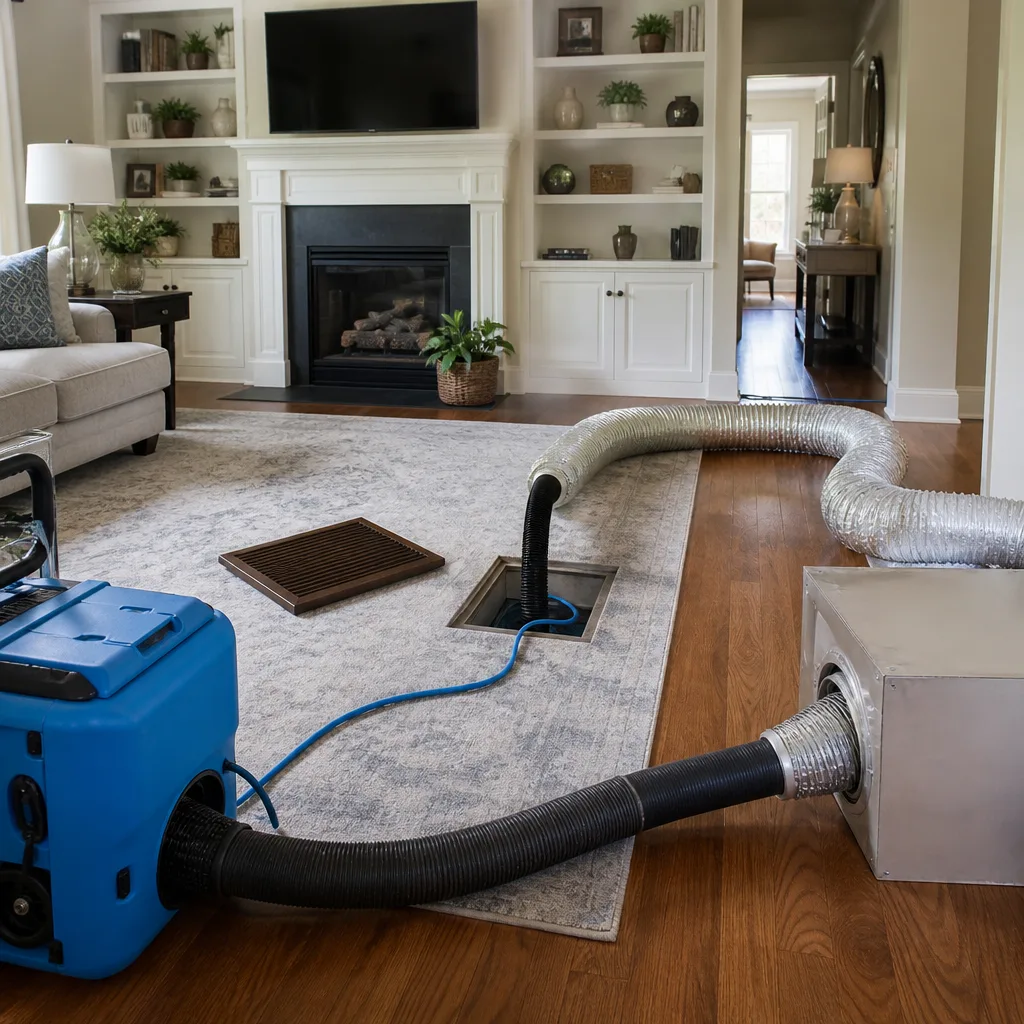 Whole-home duct cleaning
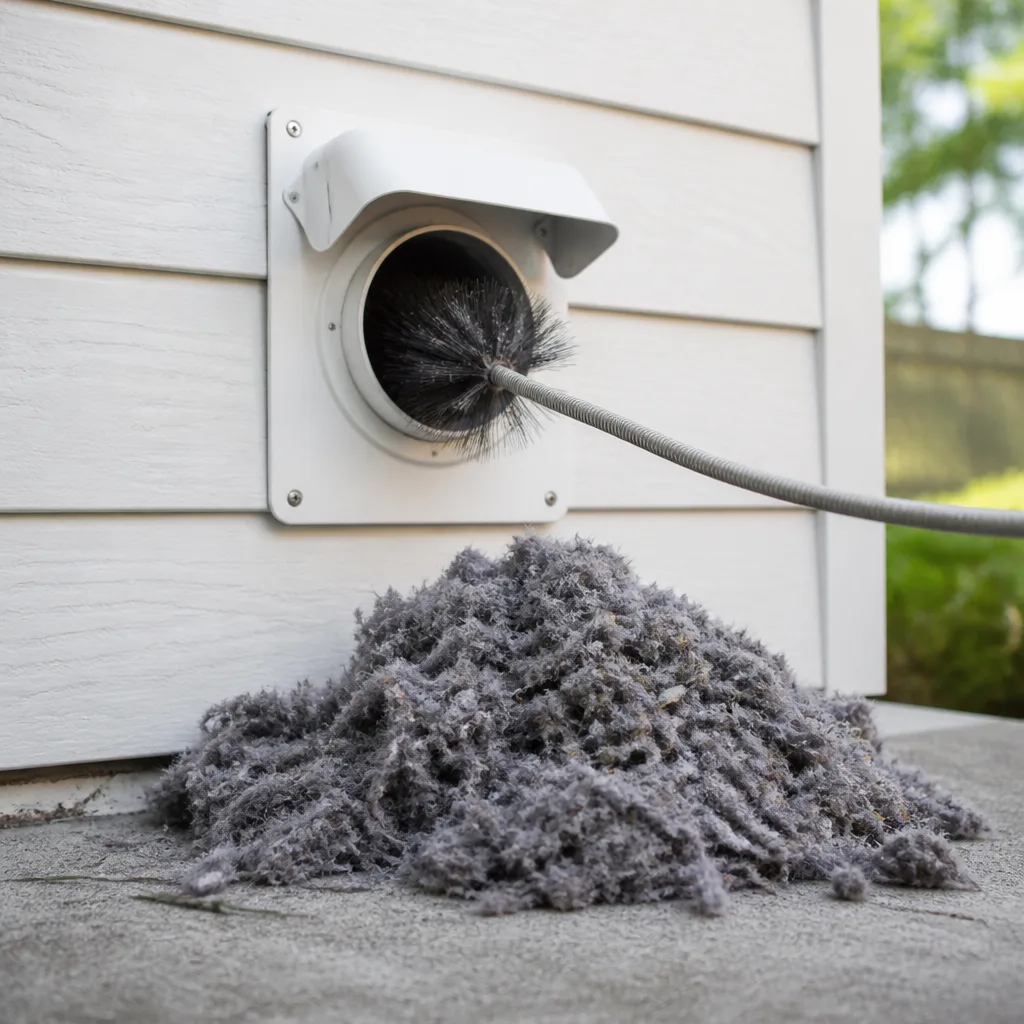 Dryer vent cleaning
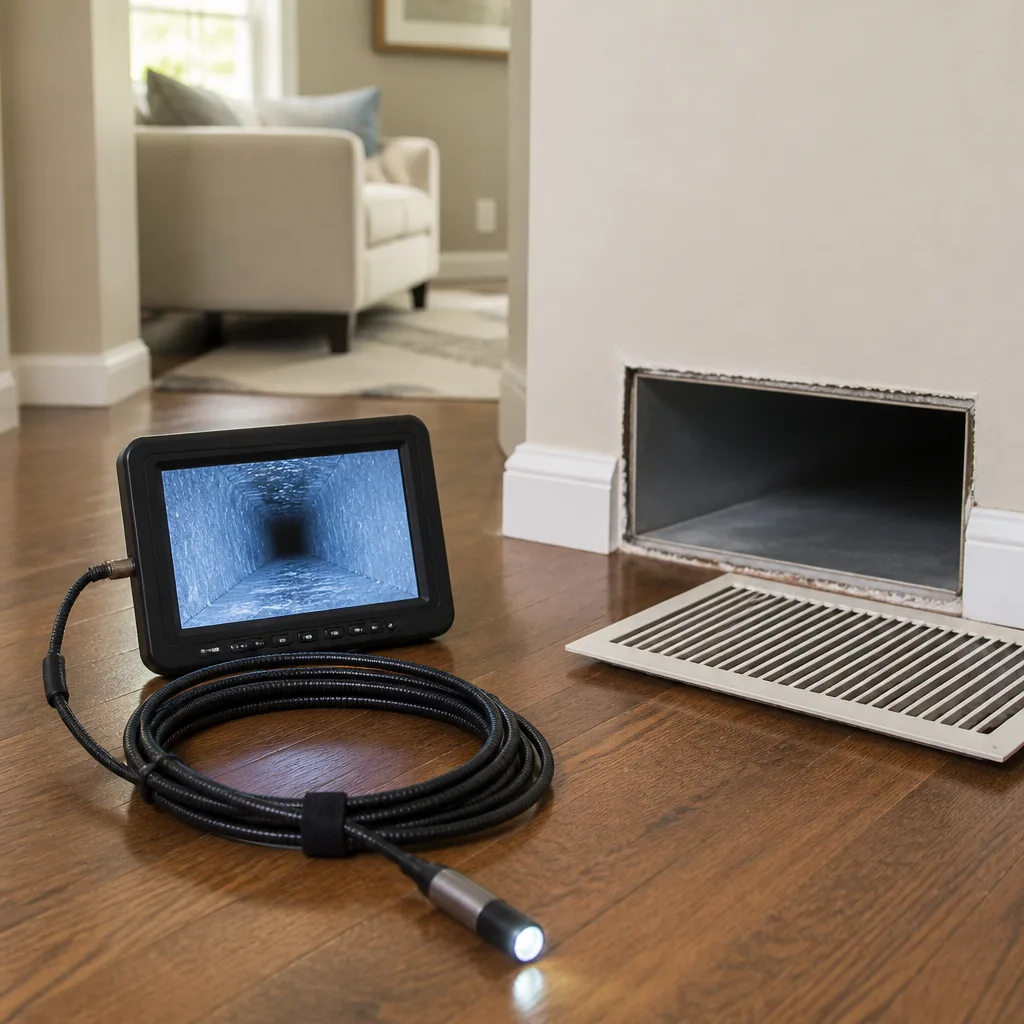 Camera inspection
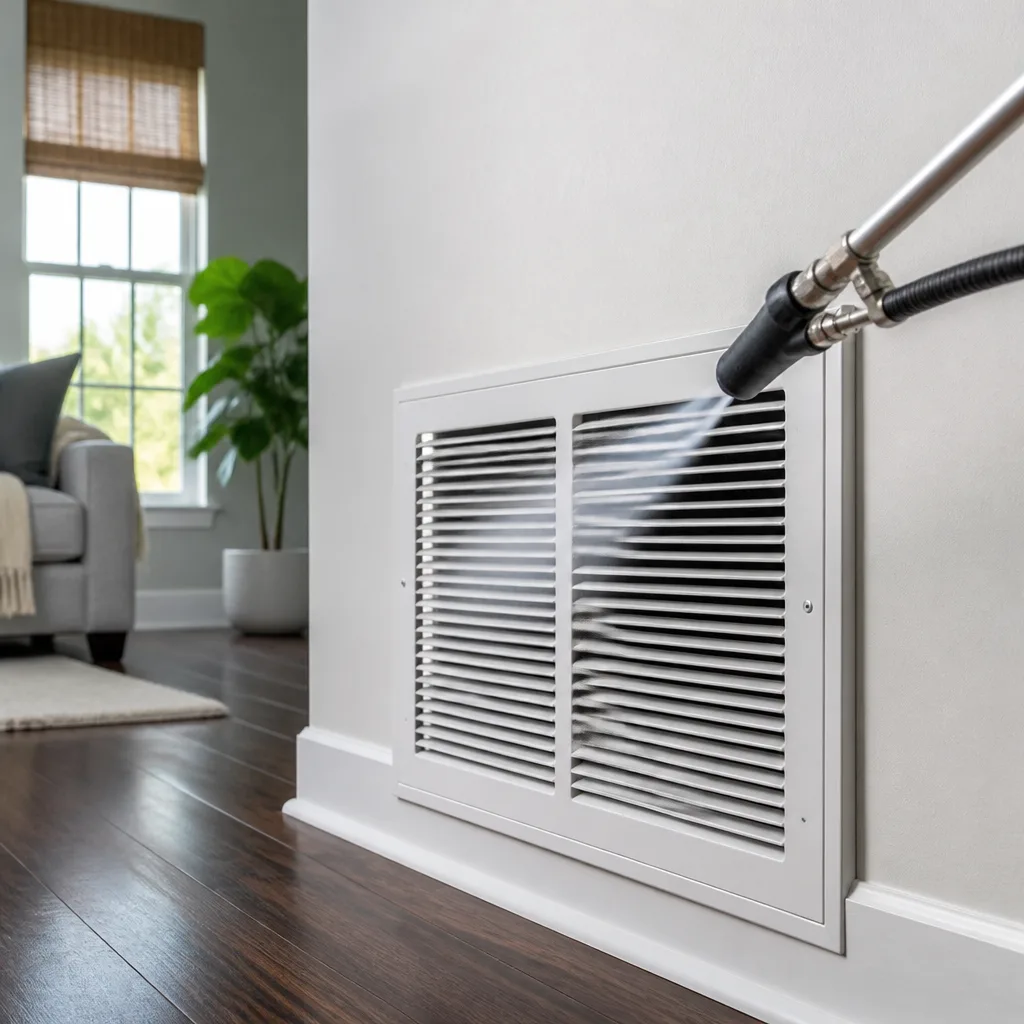 Sanitizing & deodorizing
Whole-system duct and dryer vent check with before-and-after photos - you see exactly what came out of your vents
That "$99 whole-house special" is a bait ad - the real number appears once they are in your hallway, or the "clean" is a shop-vac at the register. We photograph the inside of your ducts before and after instead.
Choosing the Right Air Duct Cleaning Brand: A Buyer’s Guide for Lake Jeanette
Most people shopping for duct cleaning compare company names, logos, and reviews. That misses the thing that actually determines whether the job works: the equipment on the truck. There’s no licensed brand name in this trade that guarantees a consistent result. A franchise van with weak portable gear will clean worse than an independent operator running a properly spec’d truck-mounted system. A glossy national brand means nothing if the machine behind it can’t move enough air. In this guide, we’ll explain the three equipment tiers in professional duct cleaning, the CFM numbers that separate them, how to question a contractor about agitation tools, and how to read reviews for Lake Jeanette homes with allergy symptoms and uneven airflow.
Quick Answer
The right air duct cleaning brand in Lake Jeanette is the one whose equipment matches the job: a truck-mounted or properly specified HEPA vacuum rated for real airflow, mechanical agitation for your duct material, and a documented before-and-after inspection. Ask every contractor for the specific equipment model and its rated CFM. A company that can answer that question precisely is usually the one doing good work, regardless of the name on the side of the van.
Styles & brands we work with
- Whole-home duct cleaning
- Dryer vent cleaning
- Camera inspection
- Sanitizing & deodorizing
Table of Contents
- The Three Equipment Tiers in Air Duct Cleaning
- The CFM Question You Should Ask Every Contractor
- Agitation Tools: Brushes, Whips, and Skipper Balls
- What a National Franchise Really Means for Lake Jeanette Homeowners
- How to Read Online Reviews for Air Duct Cleaning
- What a Proper Lake Jeanette Duct Cleaning Should Look Like
- When Duct Cleaning Actually Helps in Lake Jeanette
- The Exact Questions to Ask Before You Book
The Three Equipment Tiers in Air Duct Cleaning
Duct cleaning isn’t a single service with a single standard of execution. It runs on three equipment tiers, and the tier a contractor uses affects how much debris actually leaves your ducts versus how much gets stirred up and left behind. Understanding these tiers is the fastest way to know what you’re paying for.
Tier one: Portable electric vacuums. These are the units most commonly used for residential work. They plug into a standard outlet and ride in the back of a van or trailer. A good portable machine, such as a Nikro HEPA-rated unit, captures fine particulate well and can do clean work in a typical home. The limitation is airflow. With less suction power, the vacuum relies more heavily on the agitation step to loosen debris before it can be captured.
Tier two: Trailer-mounted gas systems. These provide more airflow than a portable but less than a full truck-mount. They’re common in markets where truck-mounted equipment doesn’t fit into driveways or where the contractor covers a wide service radius.
Tier three: Truck-mounted high-CFM systems. A truck-mounted system, commonly known as a Ram-Vac or Vac-Man style unit, runs off the vehicle engine and moves significantly more air than a portable. Higher airflow means debris is captured at the source rather than redistributed. For homes with long duct runs, multiple returns, or years of accumulated dust, the higher-CFM machine is the difference between cleaning and agitation.
None of these is automatically better than the others in absolute terms – a careful operator with a well-maintained Nikro can out-perform a sloppy operator with a truck-mount. But when you’re comparing companies on equipment, you’re comparing tiers, and the tier tells you roughly what the machine can physically do.
The CFM Question You Should Ask Every Contractor
CFM stands for cubic feet per minute: the volume of air the vacuum moves. It’s the most useful single number in duct cleaning because it directly determines how much debris can be pulled out of the system in a given time. A weak vacuum leaves dust behind, no matter how good the operator is.
The industry reference point most technicians train against is roughly 1,000 CFM per 100 square feet of ductwork, the airflow minimum commonly cited by organizations such as NADCA for source-removal cleaning. A homeowner can use that ratio to sanity-check equipment claims.
Here’s how to work through it in a conversation:
- Ask the contractor: “What specific equipment model will be used on my job, and what CFM is it rated at?” A reputable company can answer without hesitating.
- Ask whether it’s a portable, trailer-mounted, or truck-mounted system. Each tier has a rough CFM range, and the answer should match the machine.
- Compare the rated CFM against your home’s ductwork square footage. A quick estimate from the contractor is fine – the ratio matters more than the exact figure.
- Ask what happens to the debris once it’s dislodged. The answer should reference a HEPA-rated capture system or a sealed containment rig, not “we blow it through the system.”
- Ask whether before-and-after photos will be taken. A contractor who expects to show you the ducts is usually confident about what the equipment will produce.
If a company can’t answer the CFM question, that’s not necessarily a red flag on its own, but it does tell you the equipment isn’t the reason they’re winning the job. In Lake Jeanette, where many homes have larger square footage and multiple HVAC zones, the CFM difference matters more than in a small single-zone house. If you want to see how the process fits into the broader service, our air duct cleaning overview explains what’s included.
Agitation Tools: Brushes, Whips, and Skipper Balls
Vacuum airflow pulls debris out of the duct, but it doesn’t always reach the duct wall. Duct interiors collect a sticky film of dust and skin cells that clings to the surface, especially in humidified environments like the kitchens and bathrooms of Lake Jeanette homes. Something has to physically touch that surface before the vacuum can capture it. That’s what agitation is for.
The three common agitation methods:
- Rotary brush systems. A rotating brush (the Rotobrush contact-cleaning approach is one well-known example) agitates the duct wall with physical bristle contact while the same tool simultaneously extracts debris. This is particularly effective on rigid metal ductwork and on areas with caked-on accumulation. The brush-and-extract method is the closest thing to a standard in residential duct cleaning.
- Air whips. High-pressure air nozzles that blow at the duct wall to loosen debris. Useful in flexible duct runs where a brush can’t safely be pushed, and in commercial ductwork where a brush of the right size isn’t practical.
- Skipper balls or “skipper” nozzles. A weighted, self-propelled head that moves through the duct on air pressure. Effective in larger duct runs and in commercial work; less precise for residential ceilings and returns.
Each method has its place. The problem is a contractor who uses one tool for every job, because there isn’t one tool that fits flexible duct, rigid metal duct, fiberglass duct board, and commercial spiral all equally well. A company that only runs brushes, or only runs whips, is either turning down work it can’t do properly or doing it improperly. In our experience, a full-service indoor air quality company will name the tool it’s using for each section and explain why.
When you’re evaluating a company, ask directly: “Which agitation method will you use on my duct material, and why?” The answer should be specific. If you also want a company that handles the whole system – from the air handler to the return – see our HVAC cleaning page on how the components fit together.
What a National Franchise Really Means for Lake Jeanette Homeowners
There’s a natural assumption that a national franchise brand translates into a consistent standard of service. In duct cleaning, it usually doesn’t. Franchise owners are independent operators. They choose their own equipment, set their own staff levels, and run their own quality control. Two vans with the same logo in two different cities can be running wildly different equipment.
That’s not a knock on franchises as a category – some franchise owners run excellent operations. It’s a reason to look past the logo and ask the same equipment questions you would ask any contractor.
What actually matters for Lake Jeanette homeowners:
- Equipment used on your job. The specific machine model and its CFM rating. The logo doesn’t tell you this; the contractor does.
- Local dispatch and scheduling. A brand with national marketing but no local presence may route your call to a distant call center with no idea what kind of housing Lake Jeanette has.
- Scope of services offered. A single-service operator offering only cleaning can’t address leaking duct seams, dryer vent buildup, or the HVAC cleaning that’s often needed at the same time.
- Warranty and follow-up. Whether the satisfaction guarantee is honored locally or routed through corporate layers.
The marketing dollars behind a national brand have to come from somewhere, and in this trade they often come from the equipment budget. An independent operator with a properly spec’d truck-mounted setup and a focused set of services usually has more margin to invest in the tools. When we describe our own equipment setup – Rotobrush contact cleaning, Nikro HEPA-rated extraction, and the containment tools remediation contractors use – the point isn’t to be the only name in the conversation. It’s that homeowners can compare any company on the same terms. If you want to know specifically what separates a full indoor air quality service from a single-service operator, Air Duct Cleaning Lake Jeanette lays out the five core services we cover.
How to Read Online Reviews for Air Duct Cleaning
Reviews are how most homeowners start their search, and they’re also the place where marketing language does the most damage. A five-star review that says “great service, very professional!” tells you almost nothing. A four-star review that says “the technician showed me photos of the return before and after and explained the airflow readings” tells you the contractor documents their work. Both matter to the buying decision, but only one helps you evaluate the cleaning.
What credible duct cleaning reviews tend to include:
- Specific scope detail. Which parts of the system were cleaned, how long it took, and whether a second visit was needed.
- Equipment mentions. Reviewers who noticed a Rotobrush or Nikro system, or who can describe the truck-mounted setup, are telling you the contractor made equipment visible.
- Pre and post inspection. Reviews that mention being shown photos, camera footage, or airflow readings on completion.
- Presence or absence of upselling. Reviews that say the technician gave a written scope and stuck to it are valuable. Reviews that say the quote tripled on arrival are warnings.
- Detail on the finishing services. Mentions of sanitizing, dryer vent inspection, or HVAC component cleaning indicate a company that actually offers the full scope.
What generic positive reviews don’t tell you:
- What equipment was used.
- Whether the work was inspected.
- Whether the reviewer’s allergies or airflow problems actually improved.
The other thing to watch for is patterns of complaint rather than single bad reviews. Every company has an off day. Repeated complaints about the same issue – surprise charges, no evidence of cleaning, unsealed work areas – are how you tell a bad day from a bad operation. If you want to read what a thorough cleaning actually involves, our dryer vent cleaning page is a useful reference for how the same companies handle the finishing side of the job.
What a Proper Lake Jeanette Duct Cleaning Should Look Like
A thorough cleaning follows a sequence. Skipping steps is one of the most common ways a cheap job stays cheap. Here’s what a full process involves.
- Pre-inspection. The contractor walks the house, identifies the HVAC equipment, measures or estimates duct square footage, and photographs the return and supply grilles before any cleaning starts.
- System protection. The HVAC unit is protected or isolated, and openings are sealed to prevent debris from migrating into living spaces.
- Negative pressure setup. A HEPA-rated vacuum connection is established so the entire duct system is under negative pressure throughout the cleaning. This is what keeps dislodged debris in the capture system.
- Agitation by duct material. Each section is agitated with the appropriate tool – rotary brush for rigid metal, air whip for flexible runs, skipper ball for larger commercial ductwork.
- Source removal. Debris is extracted through the HEPA vacuum connection while agitation is happening. The two steps happen together, not sequentially.
- Component cleaning. Supply registers, return grilles, and the air handler components are cleaned as part of the same appointment.
- Optional sanitizing. A sanitizing step, often using a product like Guardsman, treats the duct interior after cleaning when conditions call for it.
- Post-inspection and documentation. The contractor takes after photos, checks airflow, and walks the homeowner through what was done.
Lake Jeanette homes often run two HVAC zones with ductwork in both the attic space and the conditioned envelope, which means more duct length to clean and a greater need for negative pressure throughout. Ask the contractor how they’ll handle both zones and whether the schedule includes time for both.
When Duct Cleaning Actually Helps in Lake Jeanette
Duct cleaning isn’t a service every home needs on a schedule. Some homes genuinely benefit; others see little change. Knowing which group you’re in prevents you paying for cleaning that isn’t necessary.
Signs that cleaning will make a difference:
- Visible dust discharge from registers when the system runs, or dirt streaks on the ceiling around supply vents.
- Musty or dusty odors when the HVAC system turns on, especially after a season of disuse.
- Allergy or asthma symptoms that seem worse indoors than outdoors.
- Recent renovation, drywall work, or interior painting that left construction dust in the system.
- A new-to-you home where the previous owner’s service history is unknown.
- Uneven airflow between rooms that isn’t explained by thermostat or damper settings.
When duct cleaning is less likely to change anything:
- No pets, no recent construction, no allergy issues, and a system that’s been maintained.
- A house where the HVAC equipment itself is failing (cleaning ducts won’t fix a failing blower).
- A home with a well-sealed, recently installed duct system and no symptoms.
In the Lake Jeanette area, the mix of mature landscaping and newer construction means some homes deal with pollen and fine dust in ways others don’t. A short conversation about your specific symptoms and system history is a better guide than a generic recommendation.
The Exact Questions to Ask Before You Book
Here’s a checklist you can bring to the call. If we’re being asked to earn the job, we should be able to answer every one.
- What specific equipment models will be used, and what’s the rated CFM of the vacuum? This separates portable, trailer-mounted, and truck-mounted systems.
- How will you agitate my duct material? The answer should name rotary brush, air whip, skipper ball, or a combination that fits your ducts.
- Will the whole system be under negative pressure throughout the cleaning? Yes should be the answer, not “mostly.”
- Will you take before-and-after photos or camera footage? A contractor confident in the work will show you the ducts.
- Is the price per system or per vent? A single price for the system, agreed in writing before work starts, protects you from the surprise-invoice pattern.
- What’s included in the scope? Supply and return grilles, air handler components, and the option for sanitizing or sealing.
- How is the dryer vent handled? It’s a separate safety concern and deserves a separate inspection.
- What’s the process if a problem is found mid-job? The answer should involve a pause and a written update, not an on-the-spot upsell.
If you’re comparing several quotes, use the same questionnaire for each and put the answers side by side. The comparison usually makes the choice obvious.
Common Mistakes to Avoid
- Choosing on price alone. The cheapest quote is usually the one running a portable unit without proper containment, and the difference shows up in the results, not the invoice.
- Accepting a per-vent price without a whole-system price. Per-vent pricing invites a low headline that grows as the contractor counts vents on-site. Ask for a flat price for the whole system.
- Not asking what happens to the debris. A cleaning that pushes dust downstream doesn’t clean the system – it redistributes it. Ask specifically about HEPA-rated capture or sealed containment.
- Booking without a pre-inspection. A good contractor looks at the system before quoting. A quote over the phone with no inspection is a guess.
- Skipping the dryer vent. Dryer vents build up lint that presents a separate concern from ductwork. Lake Jeanette homes with laundry near the garage or interior closets often have longer vent runs that should be checked.
- Assuming a franchise means consistency. Franchise owners choose their own equipment. The logo tells you about marketing; the machine tells you about the work.
- Not requesting documentation. Ask for before-and-after photos, the scope of work performed, and any inspection notes. A company that won’t document its work hasn’t given you anything to verify.
See the difference
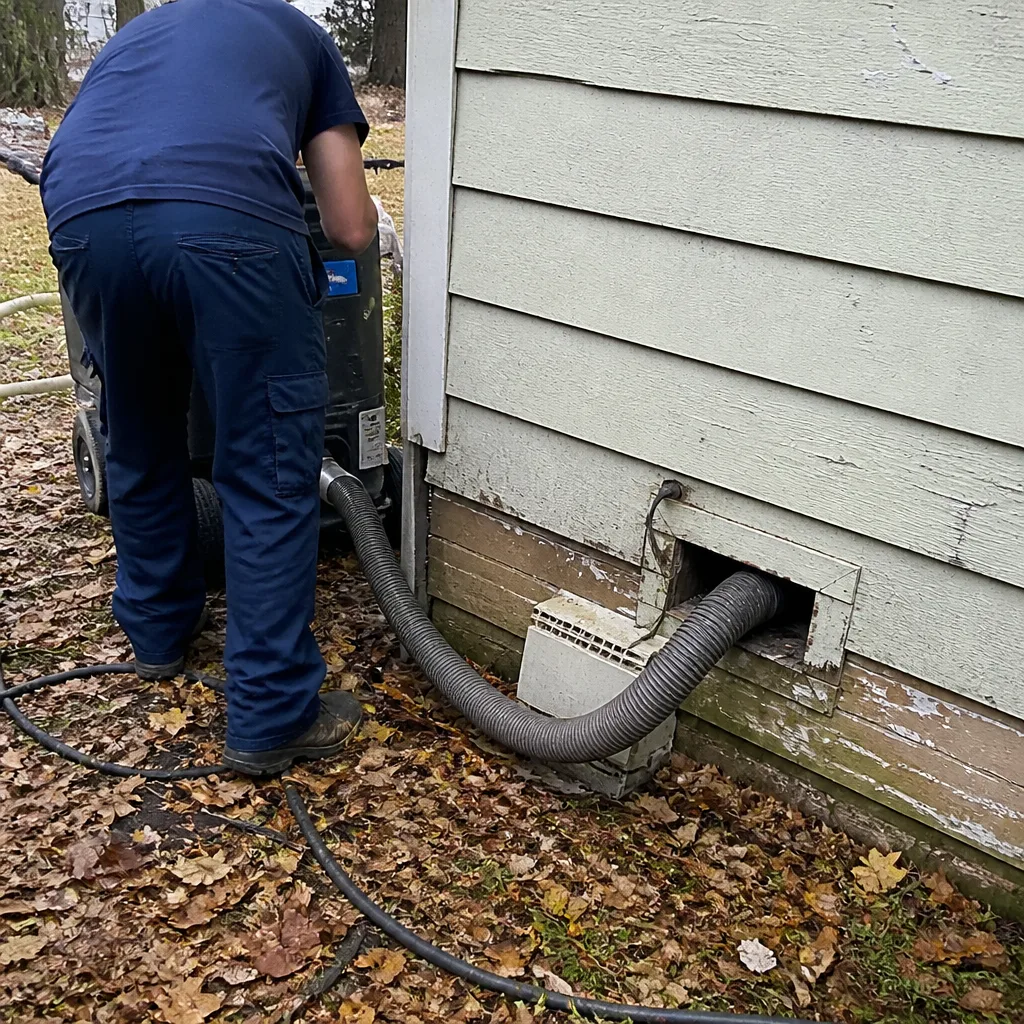 Before
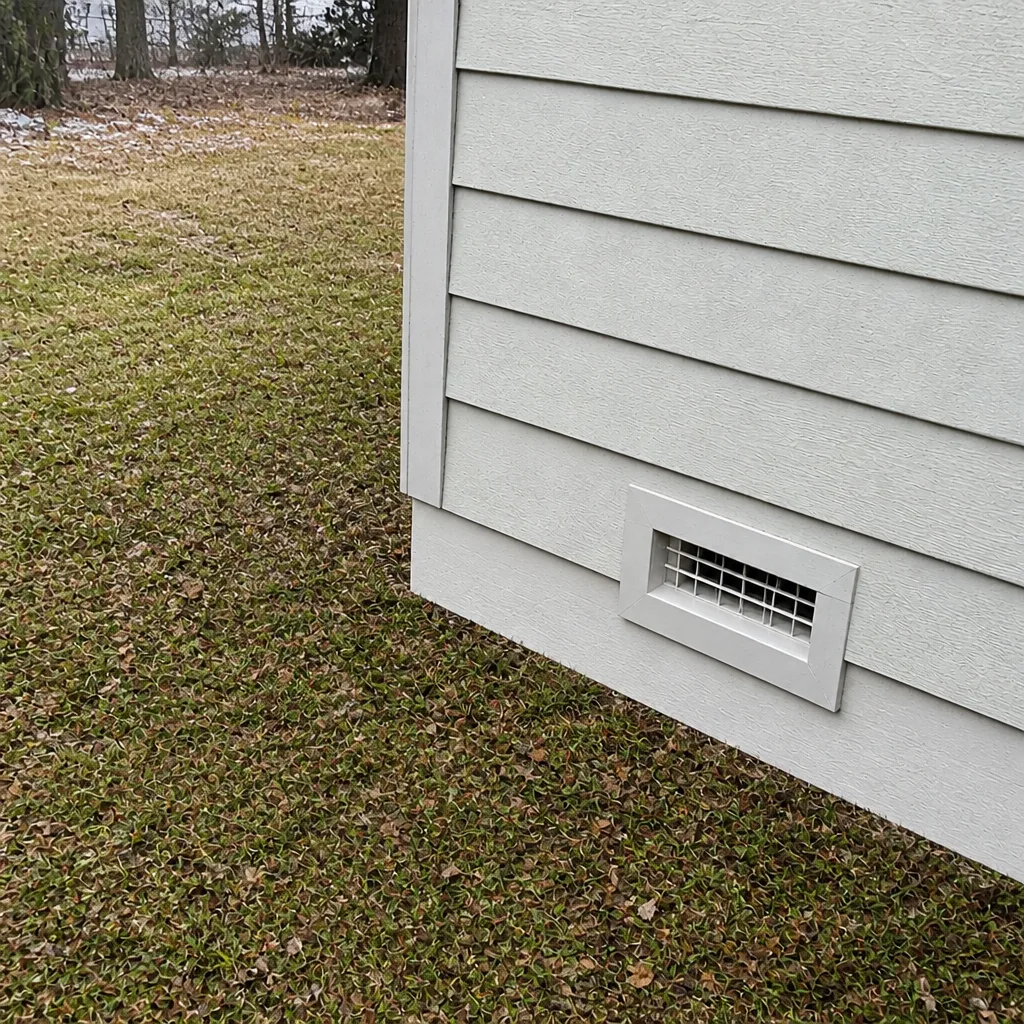 After
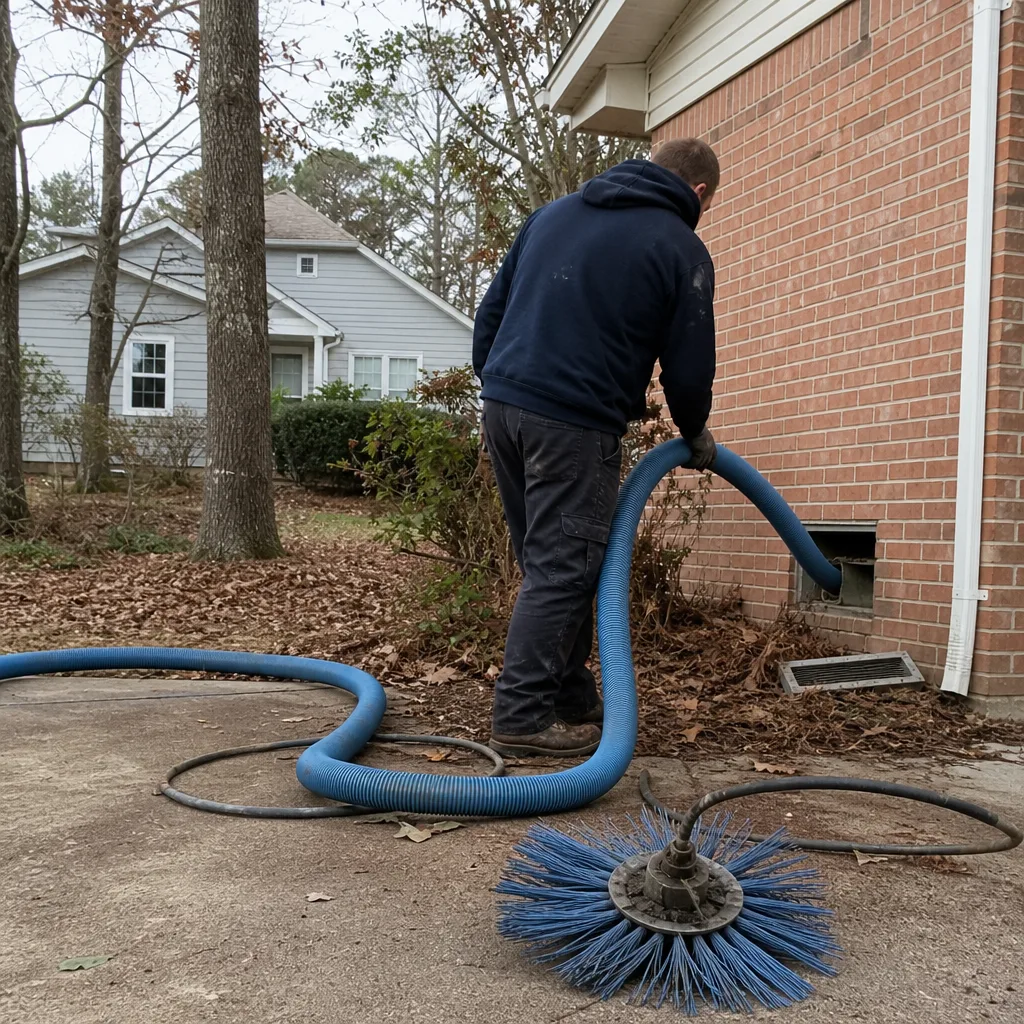 Before
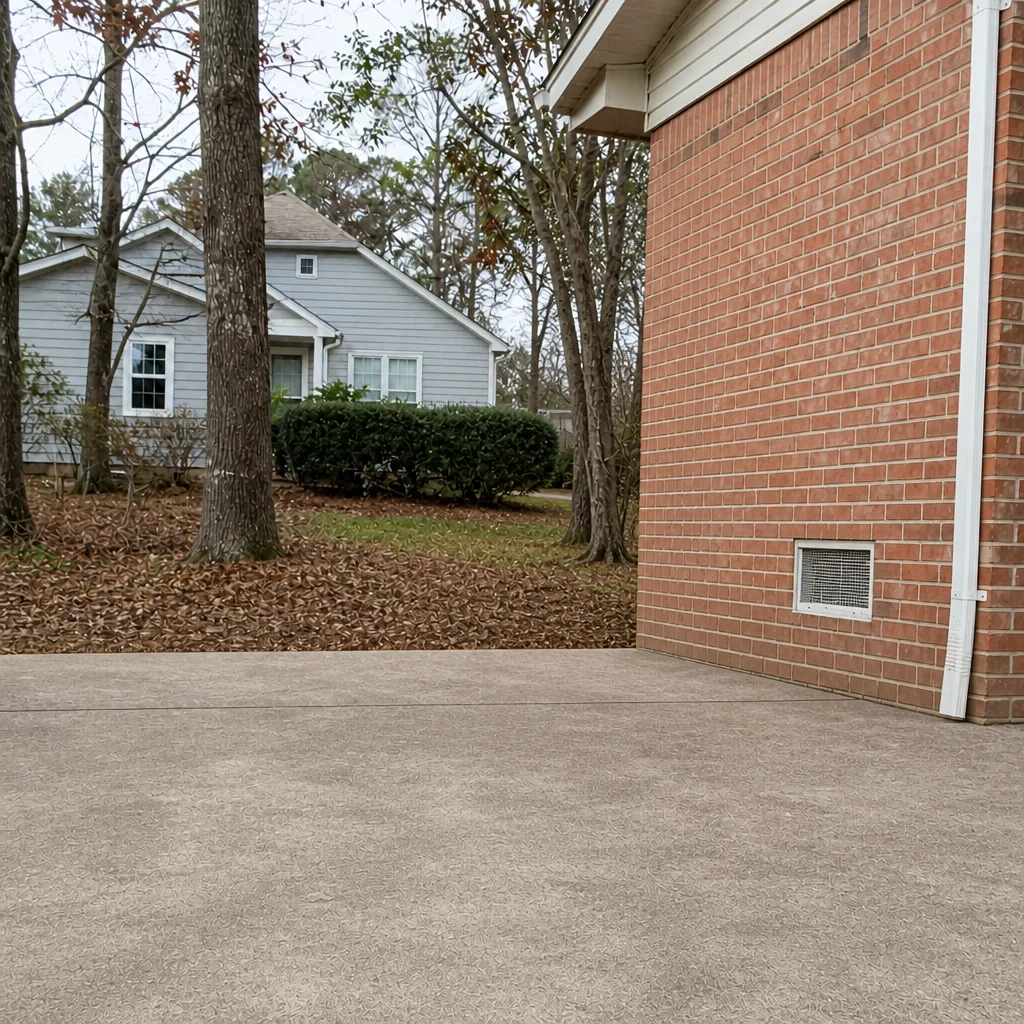 After
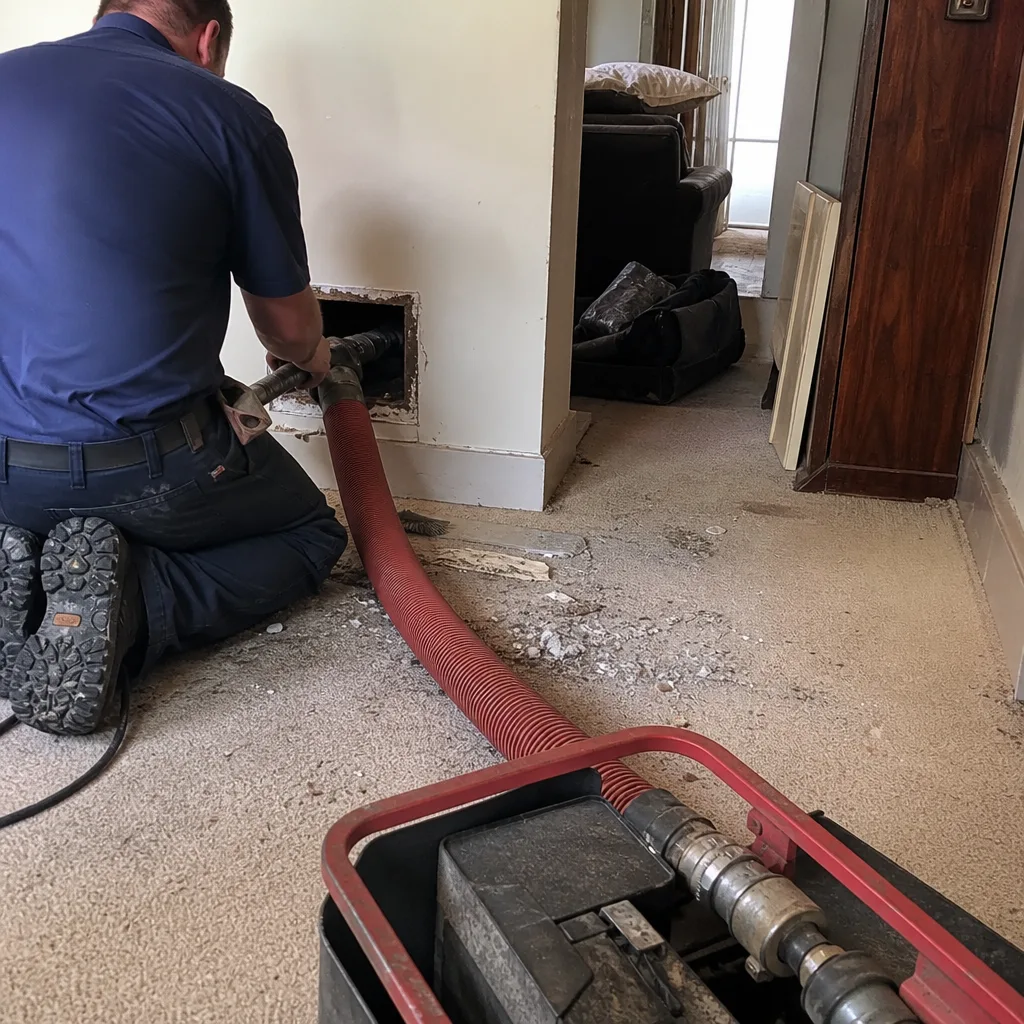 Before
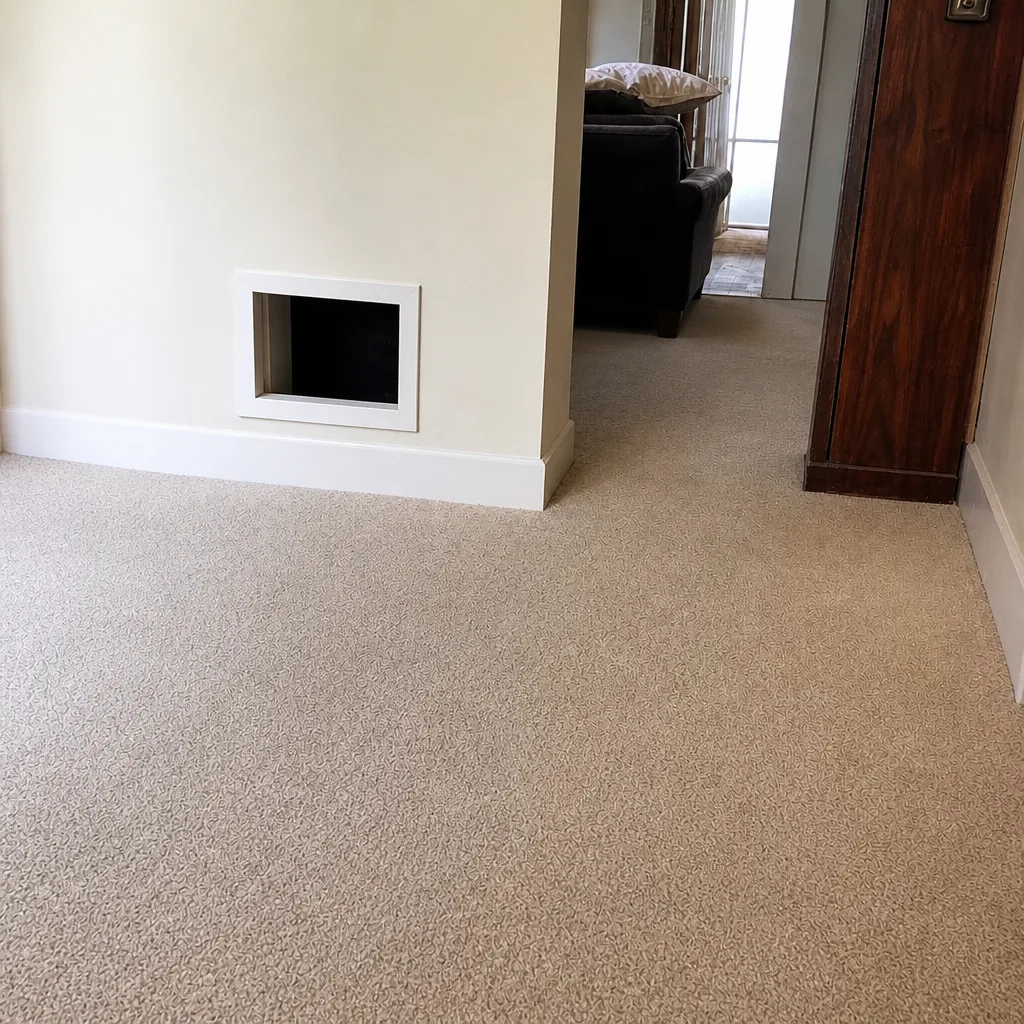 After
When to Call a Professional
Some situations call for a professional rather than a wait-and-see approach. If anyone in the household has asthma or allergy symptoms that worsen indoors, a fresh round of cleaning is worth evaluating. If you’ve just finished a renovation or drywall project, or bought a home without a service history, the system almost certainly holds construction dust that normal filtration won’t clear. If you notice musty odors when the HVAC kicks on, or visible dust discharge from the registers, those are signs of real buildup. Dryer vents that haven’t been checked in years should always be evaluated by a professional; lint accumulation near the dryer is a fire concern and should be handled with proper extraction equipment, not a hand vacuum kit.
Air Duct Cleaning Lake Jeanette offers free estimates in Lake Jeanette – call (877) 792-7174. We answer 24/7. Fast dispatch from 7am to 7pm, Sunday through Friday. Our technicians have up to 13 years of experience, and every job is quoted per system with a written scope before work starts.
Frequently Asked Questions
The best choice is the contractor whose equipment and process match the job, not the one with the biggest logo. Ask for the specific machine model, its CFM rating, and the agitation method planned for your duct material. A company that answers those three questions with specifics is almost always doing the work properly.
CFM stands for cubic feet per minute: the volume of air the vacuum moves. Higher CFM means more debris captured at the source. Industry reference points typically cite around 1,000 CFM per 100 square feet of ductwork. A portable vacuum will not always match that ratio in a large home; that’s why truck-mounted systems are used.
Not necessarily. Franchise owners are independent operators who choose their own equipment, staffing, and quality control. The brand on the van doesn’t standardize the machine behind it. Compare companies on equipment, scope, and documentation rather than on brand recognition.
Ask for before-and-after photos of the registers and the duct interior, plus any camera footage the contractor uses for inspection. A proper cleaning also involves putting the system under negative pressure throughout, so ask how the containment was established. Documentation is what distinguishes a verified cleaning from an invoice.
Lake Jeanette’s mix of mature landscaping and seasonal humidity contributes to dust and pollen in the return air, but there’s no fixed schedule – cleaning depends on your household. Symptoms, recent construction, pets, and visible dust at the registers are better triggers than a set number of years.
Duct cleaning removes trapped dust, pollen, and debris from the system, which can reduce the amount of particulate recirculated into the air. It doesn’t address medical causes of allergies. A son, a professional evaluation paired with proper filtration upgrades is a more complete approach than cleaning alone.
The Bottom Line
Choosing the right air duct cleaning brand in Lake Jeanette comes down to a short list of questions the brand on the van can’t answer for you. The equipment tier, the CFM rating, the agitation method for your duct material, and the documentation the contractor promises – those four answers tell you more than any logo. Our own choice to run Rotobrush contact cleaning and Nikro HEPA-rated extraction isn’t a marketing claim; it’s a reflection of the outcomes those tools produce in homes with allergy symptoms and multiple HVAC zones. When you’re ready to compare quotes on the terms that matter, call (877) 792-7174 for a free estimate. We answer 24/7. Fast dispatch from 7am to 7pm, Sunday through Friday.
Written by the team at Air Duct Cleaning Lake Jeanette.