
Last updated November 24, 2026
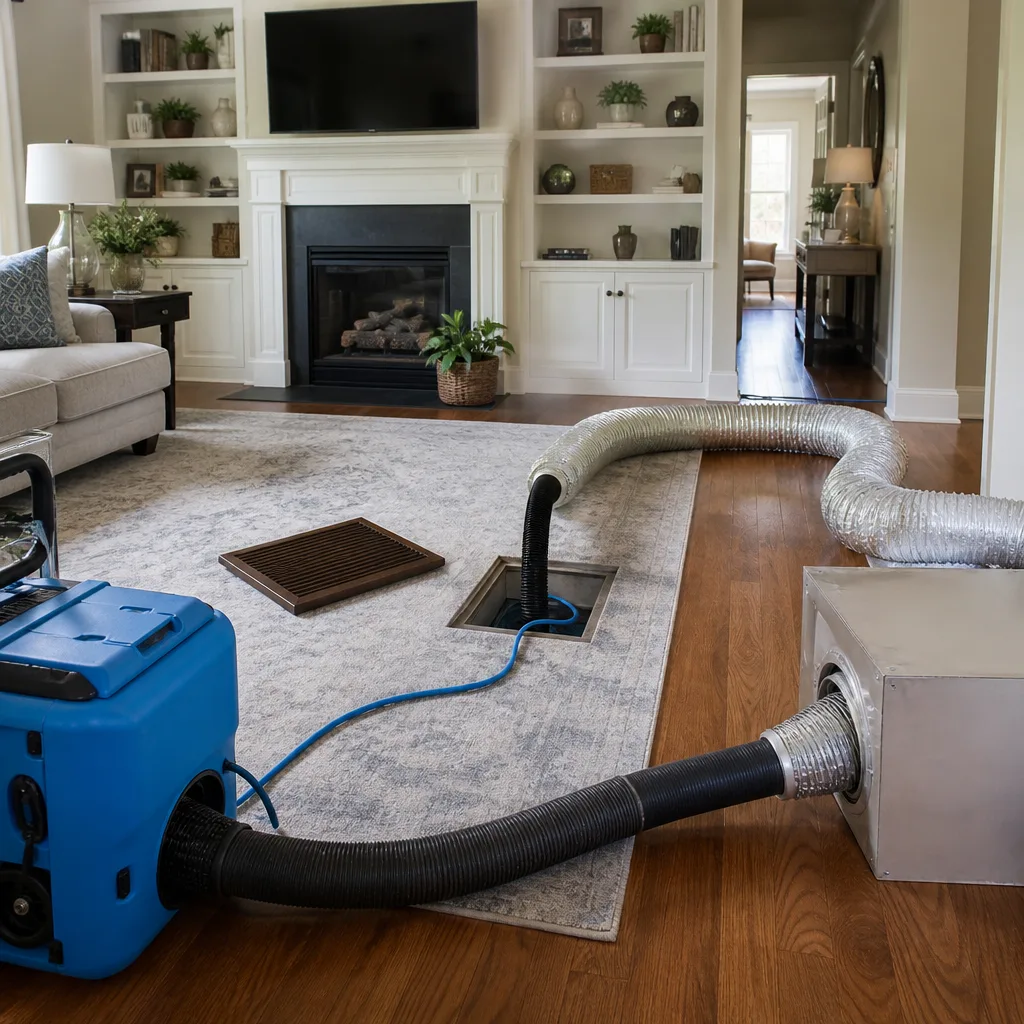 Whole-home duct cleaning
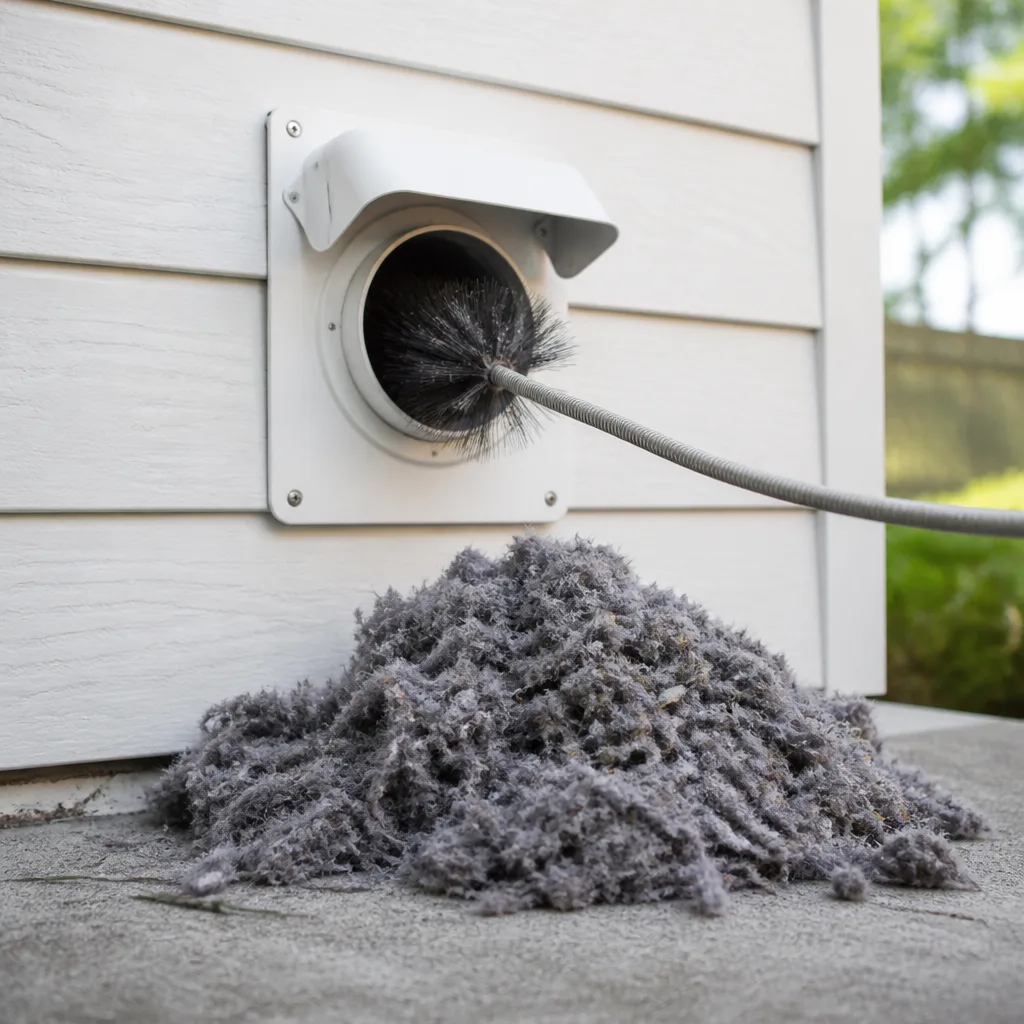 Dryer vent cleaning
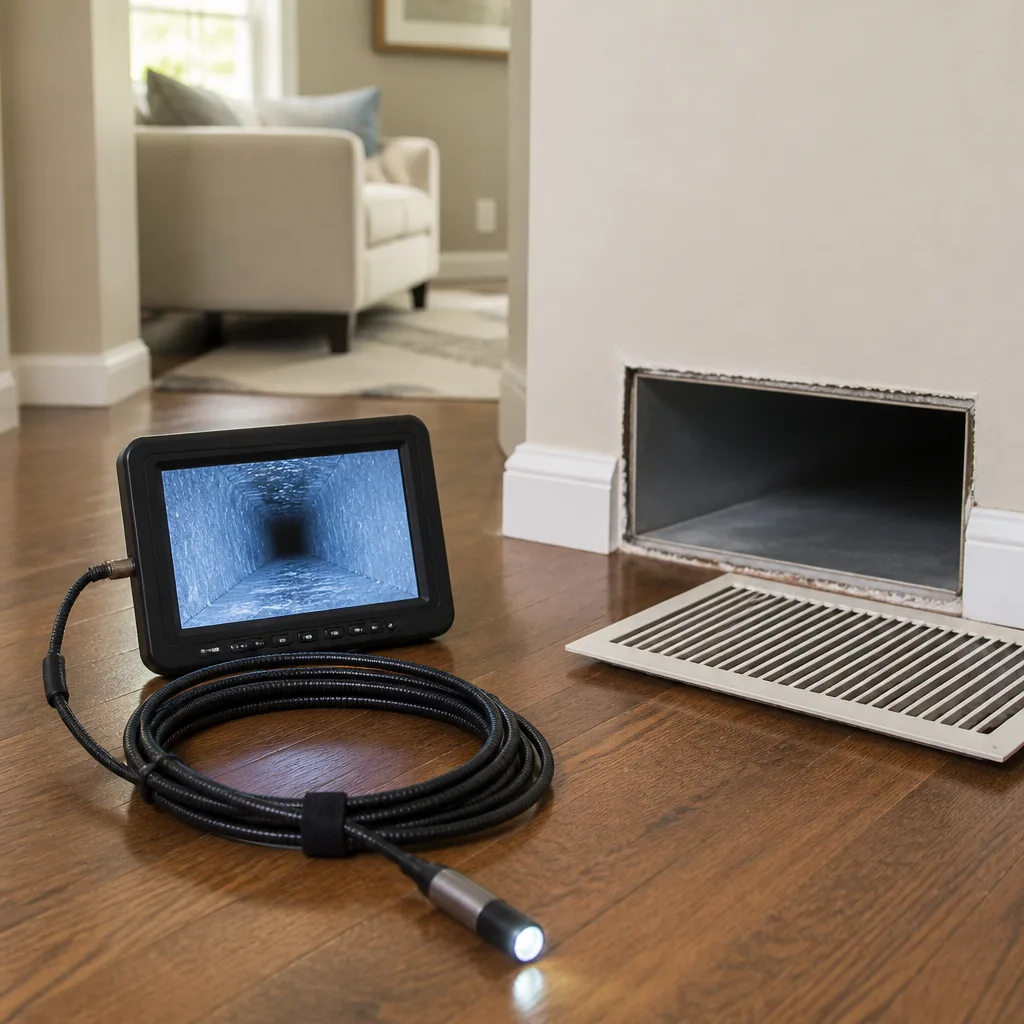 Camera inspection
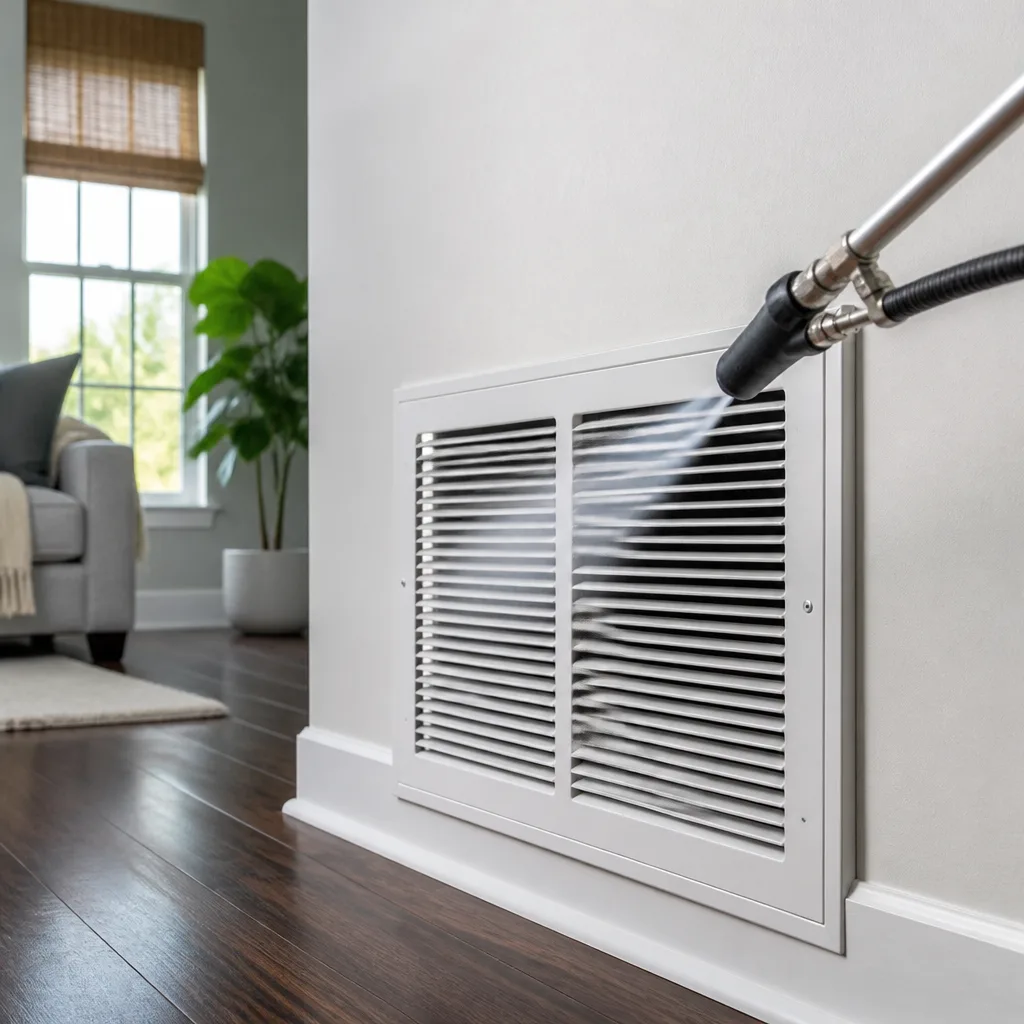 Sanitizing & deodorizing
Whole-system duct and dryer vent check with before-and-after photos - you see exactly what came out of your vents
That "$99 whole-house special" is a bait ad - the real number appears once they are in your hallway, or the "clean" is a shop-vac at the register. We photograph the inside of your ducts before and after instead.
Air Duct Cleaning Warning Signs: A Lake Jeanette Homeowner’s Reference Guide
By the time you can see dust blowing from a supply register, that particulate has been cycling through your living space for weeks. The register is the last place contamination appears, not the first. That’s the part most checklists get wrong. They tell you to watch for visible dust, musty odors, and uneven airflow, but those are late-stage indicators. They mean contamination has already reached the point where it’s affecting how your system performs and what you’re breathing. This guide is for Lake Jeanette homeowners who’d rather catch a problem early. Instead of asking what you can see, we’ll teach you to read the subtler signals: how your filter loads, how your rooms heat and cool, and when a smell points to ductwork versus something else entirely. We’ll walk through the diagnostic tests you can run yourself, then the ones that call for professional equipment.
Quick Answer
The earliest warning signs of dirty air ducts in Lake Jeanette are usually not visible dust at the registers. They’re subtler: filters that clog faster than they used to, rooms that drift a few degrees apart, allergy symptoms that track with your HVAC run time, and a smell that changes when the system cycles on. Visible dust, uneven heating, and persistent odors are late-stage signals that contamination is already affecting system performance and indoor air quality. If you catch the early signs, you can schedule service before your system starts working harder to move the same air.
Styles & brands we work with
- Whole-home duct cleaning
- Dryer vent cleaning
- Camera inspection
- Sanitizing & deodorizing
Table of Contents
- Early-Stage Warning Signs Most Homeowners Miss
- The White Tissue Test: Simple Diagnostics at the Register
- Musty Odor: Ductwork, Evaporator Coil, or Condensate Drain?
- What Uneven Room Temperatures Really Tell You
- Lake Jeanette Triggers That Call for an Immediate Inspection
- What to Check Before You Call Anyone
- Common Mistakes to Avoid
- When to Call a Professional
Early-Stage Warning Signs Most Homeowners Miss
The signs that matter most are the ones that build slowly and never announce themselves. Homeowners in Lake Jeanette tend to notice duct problems when dust appears or a smell doesn’t leave. But before that, there are signals in how your system behaves. You have to know where to look.
These are the early indicators we watch for during an inspection of any Lake Jeanette home:
- Accelerating filter loading cycles. If you used to change your filter every three months and now it’s loaded up in five or six weeks, particulate is being pulled into the return side faster. That excess tells you something in the duct system is shedding debris into the airstream. The filter is doing its job; it’s just getting more to collect.
- Rising static pressure readings. If you’ve installed a manometer across your filter or at the plenum, watch the number over time. Static pressure creeping up means the system is meeting more resistance. Duct debris, whether on duct walls or in the return grille, adds that resistance. You’ll see the reading climb before you notice a comfort change.
- Allergy symptoms that follow HVAC runtime. This one takes a few weeks of observation. Notice whether symptoms are worse during waking hours when the thermostat is actively calling for cool air. If they ease off when the system sits idle and return when it cycles on, that correlation is a data point.
- A smell that appears only when the blower runs. Odor that exists all the time suggests the source is in the room. Odor that shows up for a minute or two after the fan starts, then fades, often comes from biological growth or debris that gets knocked loose as airflow increases.
- Dust returning to horizontal surfaces faster than it used to. If you’ve wiped a nightstand on a regular schedule and it stopped staying clean as long, your airborne particulate load has increased. A filter can’t catch everything that’s introduced into the return air.
- Rattling or whistling at specific registers. Loose debris sitting in a branch run or against a damper will flutter when air passes over it. It’s not always serious, but it tells you there’s something in the line.
None of these on its own confirms you need air duct cleaning. Together, they form a pattern. When three or four line up, the odds are good that a brush-and-extract visit will resolve several at once.
The White Tissue Test: Simple Diagnostics at the Register
You can learn a lot with a step stool, a cheap white paper tissue, and five minutes. The idea is to catch what’s actually leaving your supply registers before it lands on your furniture and gets dismissed as normal house dust.
- Hold a tissue near a supply register with the system running. Keep it about six inches away. You’re not testing airflow strength; you’re testing what’s in the air. Hold it steady for 30 seconds.
- Check the color. A pure white tissue should stay white. If it picks up a gray or brown tint, that’s particulate leaving the register and entering the room. A slight tint after 30 seconds is useful information. A dark band that appears in the same spot every cycle is a real concern.
- Repeat at three or four registers, including one in a room that never quite feels right. Compare results. A single register running dirtier than the rest tells you the problem is upstream of that branch, or that the branch itself is loaded.
- Watch for tissue flutter when the fan kicks on. A sharp flutter at the start of the cycle is normal. Continuous flutter suggests a loose damper or debris in the run.
- Record the date. Do the same test eight to ten weeks later. If the tissue picks up noticeably more color on the second visit, your airborne particulate load is climbing.
The tissue test isn’t a substitute for an inspection. But it gives you something the average homeowner doesn’t have: a before-and-after record. When you do call a pro, a tissue that went from white to brown between visits is a concrete reason to schedule a proper review. It’s also the kind of observation that helps a technician know what to look for before they arrive.
Musty Odor: Ductwork, Evaporator Coil, or Condensate Drain?
A musty smell is one of the most common reasons Lake Jeanette homeowners pick up the phone. And it’s also the one where we see the most misdiagnosis, because three different problems all produce a “musty” complaint. Each has a different fix. Cleaning ducts when the real problem is a clogged condensate line wastes your money and leaves the smell in place.
Here’s how we sort out the source:
- Ductwork biological growth. The smell builds gradually, often strongest at the supply registers nearest the air handler. It tends to be more noticeable after the system has been running for a while and after periods of high humidity. Filter changes don’t resolve it, and cleaning the coil doesn’t help. If those two steps don’t address it, the source is inside the ducts.
- Dirty evaporator coil. The smell shows up almost immediately when the system starts cooling. It’s often strongest right at the return, not the supply. You may notice the AC working harder to hit the same temperature. The clue is a damp, cool smell rather than a stale, dusty one.
- Clogged or slow condensate drain. The musty smell is intermittent. It appears when the drain pan fills, then fades. In extreme cases you’ll see a damp spot near the air handler or hear a gurgle. It doesn’t need duct cleaning at all; it needs the drain cleared.
The practical test: if the smell is present all the time but intensifies with cooling, suspect the coil. If it appears in waves and disappears, suspect the drain. If it builds over weeks and doesn’t respond to filter changes, suspect the ducts. For the duct work scenario, a camera-based inspection answers it quickly. Rotobrush equipment on a proper inspection gives us a real view of what’s inside the trunk and branch runs, so we don’t guess.
If the source turns out to be duct-level growth, sanitizing after cleaning with a Guardsman-grade product does more for the smell than cleaning alone. Cleaning removes the material; sanitizing addresses what’s left behind on the surface.
What Uneven Room Temperatures Really Tell You
A few degrees of variation between rooms is normal in most North Carolina homes. But if the difference has widened over time, or if one room never catches up to the rest, the cause matters. Uneven temperatures point to three main candidates:
- Duct restriction from debris buildup. If a branch run or a transition fitting has collected enough debris to reduce its effective diameter, the room it serves starves for air. The temperature drifts. The problem is on the air side, and cleaning or repair resolves it.
- Refrigerant charge or airflow issue at the air handler. If the room served by a short, wide branch still runs warm while one on a long branch runs cool, the issue is upstream of the ducts. Refrigerant undercharge or a blower issue at the air handler is the more likely culprit.
- Damper position and balancing. A damper left partly closed, sometimes during a previous service, restricts a branch that used to run fine. It’s easy to check, and easy to correct.
The room-by-room test that helps us decide: measure the temperature at the supply register in each room, then at the return, with the system running steady for at least ten minutes. Fairly even supply-to-return split across rooms with a big temperature difference between two rooms points to a duct problem specific to the starved room. A split that’s uneven across every room points to the system itself.
In Lake Jeanette, this test is worth doing after a summer of heavy cooling demand. When the system runs nearly continuously, small restrictions have a bigger visible effect than they would in a mild season. Debris that’s been sitting in the ducts for a while becomes a comfort complaint the moment the system has to work harder to deliver the same result.
Lake Jeanette Triggers That Call for an Immediate Inspection
Some events introduce more particulate into a duct system in an afternoon than a slow buildup does over a season. These aren’t hypothetical; they’re the reasons we get calls after specific kinds of events. If one of these applies to your Lake Jeanette home, an inspection is worth scheduling.
- Crawlspace flooding or a plumbing leak that reached ductwork. Insulated flex duct that sits damp is a growth environment. Once the insulation is wet and stays wet, cleaning it in place is rarely sufficient. An inspection tells you whether the run needs cleaning, drying, or replacement.
- Wildfire smoke events. Wildfire smoke carries fine particulate that a standard filter catches only a portion of, and that fine material deposits on duct walls. If you had smoke infiltration during a heavy smoke event, run the tissue test on the supply registers. If you see brown tinting, a cleaning is on the near horizon.
- Renovation or remodeling dust. Demolition produces fine dust that gets pulled into the return, especially if your HVAC ran during the work. Drywall dust in particular is very fine and settles deep into duct walls. Post-renovation cleaning with HEPA-rated containment (we use Nikro and Abatement Technologies equipment for this) is the standard step, not an optional one.
- Rodent activity. Rodents in an attic or crawlspace can leave droppings, nesting material, and hair in ductwork, especially where flex duct runs are exposed. Any sign of rodent activity near the ducts is a reason to have them inspected, both for contamination and because the duct may be damaged.
- A musty smell that arrived during a humid stretch. Lake Jeanette’s summers push system runtimes high, and a humid period can tip a marginal duct system into visible growth. When a musty smell arrives quickly rather than gradually, treat it as a prompt to check the ducts and the coil together.
After any of these events, the question isn’t whether the ducts are dirty. It’s whether the ducts are contaminated. That’s a difference worth taking seriously, and it’s why containment matters. The best brush in the world is a liability without a HEPA vacuum holding what the brush dislodges.
What to Check Before You Call Anyone
Before you pick up the phone, there’s a short list of things you can check that will make a technician’s visit more productive. None of these require tools beyond a screwdriver and a cheap thermometer.
- Write down when you last changed your filter and about how loaded it was. Note whether the load has been increasing over time. If you’ve changed brands recently, note that too.
- Do the tissue test on three registers and note the dates. Two readings eight to ten weeks apart give a useful comparison.
- Note the temperature split between your warmest and coldest rooms. Do this in the afternoon when the system has been running for a while.
- Check every return grille for visible buildup. A return that’s visibly coated with dust is pulling that material through the system. A clean-looking return doesn’t guarantee clean ducts, but a heavily coated one is a strong indicator.
- Note when the smell appears. Write down whether it’s constant, cyclical, or specific to cooling. This single detail often resolves the diagnosis before anyone opens a panel.
- Check the air handler area for any moisture, dampness, or standing water in the drain pan. If you see water, stop and check the drain first. That’s a separate problem from duct debris.
Bring this list to the call. In our experience, homeowners who arrive at an estimate with two tissue-test dates, a room-by-room temperature log, and a note about when the smell shows up save a lot of back-and-forth. We can go straight to the most likely cause and confirm it on site. For a fuller rundown of what a proper cleaning involves, our Air Duct Cleaning Lake Jeanette page walks through the whole process.
Common Mistakes to Avoid
- Judging duct condition by the register alone. The register is the last place contamination shows up. If you’re waiting for visible dust to schedule a cleaning, you’ve already been breathing that particulate for weeks. Watch the early signals instead.
- Calling a cleaning company for a musty smell without diagnosing the source first. If the source is a clogged condensate drain or a dirty evaporator coil, duct cleaning doesn’t fix it. You spend money on the wrong service and the smell stays. Run the smell tests in this guide before you call.
- Accepting a cleaning that doesn’t include HEPA-rated containment. Contact cleaning without a proper vacuum dislodges debris and leaves it in the air. A brush-and-extract method only works when the extract side is genuinely capturing what the brush releases. Ask what vacuum equipment the company uses before you schedule.
- Skipping dryer vent service because “the lint trap catches it.” The lint trap doesn’t catch everything. Lint accumulates in the flex run between the dryer and the exterior, and it’s a recognized fire hazard. If you’re already booking a duct visit, ask about dryer vent cleaning at the same time, since it requires the same equipment and a single visit covers both.
- Treating post-renovation cleaning as optional. Drywall dust is extremely fine. It settles deep into duct walls, and once it does, a filter alone won’t get it out. If your HVAC ran during a renovation, schedule cleaning after the work is done.
- Cleaning ducts without addressing the air handler and coil. A clean duct attached to a dirty coil reheats the same problem. The full indoor air quality chain is ducts, coil, blower, and drain, and a proper HVAC cleaning covers all of it. Cleaning only the ducts is incomplete.
- Ignoring a widening temperature gap until it becomes a comfort complaint. A room that’s two degrees off is a nuisance. A room that’s five degrees off usually means a duct restriction that’s been getting worse for a while. Check earlier, not later.
When to Call a Professional
Call a professional when the tissue test shows persistent brown tinting after two readings, when a room temperature gap has widened over a season, or when a musty smell persists after you’ve changed filters and checked the drain. Call immediately when a crawlspace flood, plumbing leak, rodent activity, or a heavy renovation has introduced a specific contaminant into the system. Also call if you’ve never had the dryer vent inspected, since lint accumulation in the vent run is a fire risk that ordinary home maintenance doesn’t address. If you suspect biological growth in the ductwork rather than simple dust, an inspection with a proper camera and containment equipment is more useful than a cleaning alone. Air Duct Cleaning Lake Jeanette offers free estimates in Lake Jeanette. Call (877) 792-7174. We answer 24/7. Fast dispatch from 7am to 7pm, Sunday through Friday.
A note on safety before you tackle anything yourself. We’re all for homeowner diagnostics, and the tissue test, temperature checks, and filter observations in this guide are safe. But don’t open the air handler cabinet, disconnect flex duct from a register, or try to clean ductwork with a shop vac and a homemade brush. The blower and coil in an air handler have electrical components, and improper work can damage both the system and the containment seal that keeps dislodged debris out of your air. Anything past the cabinet door is a trained professional’s job.
See the difference
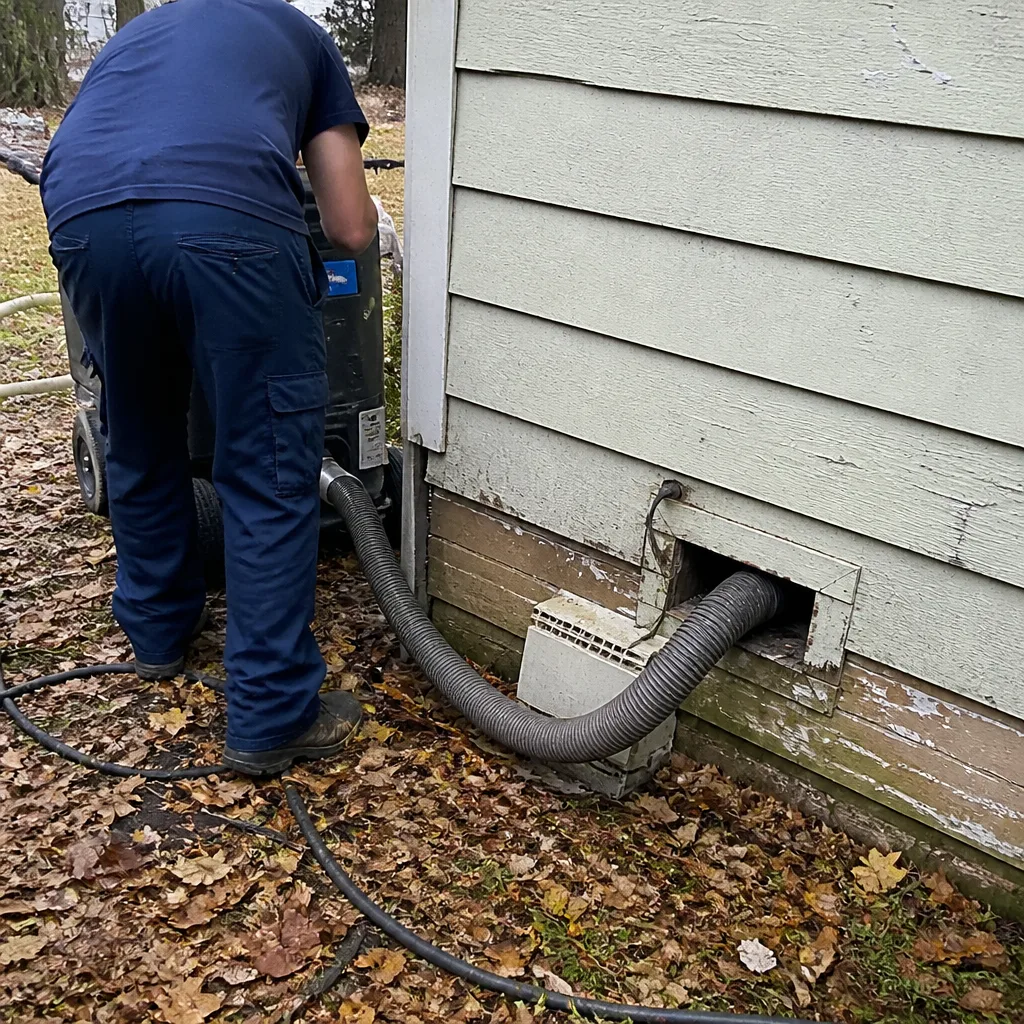 Before
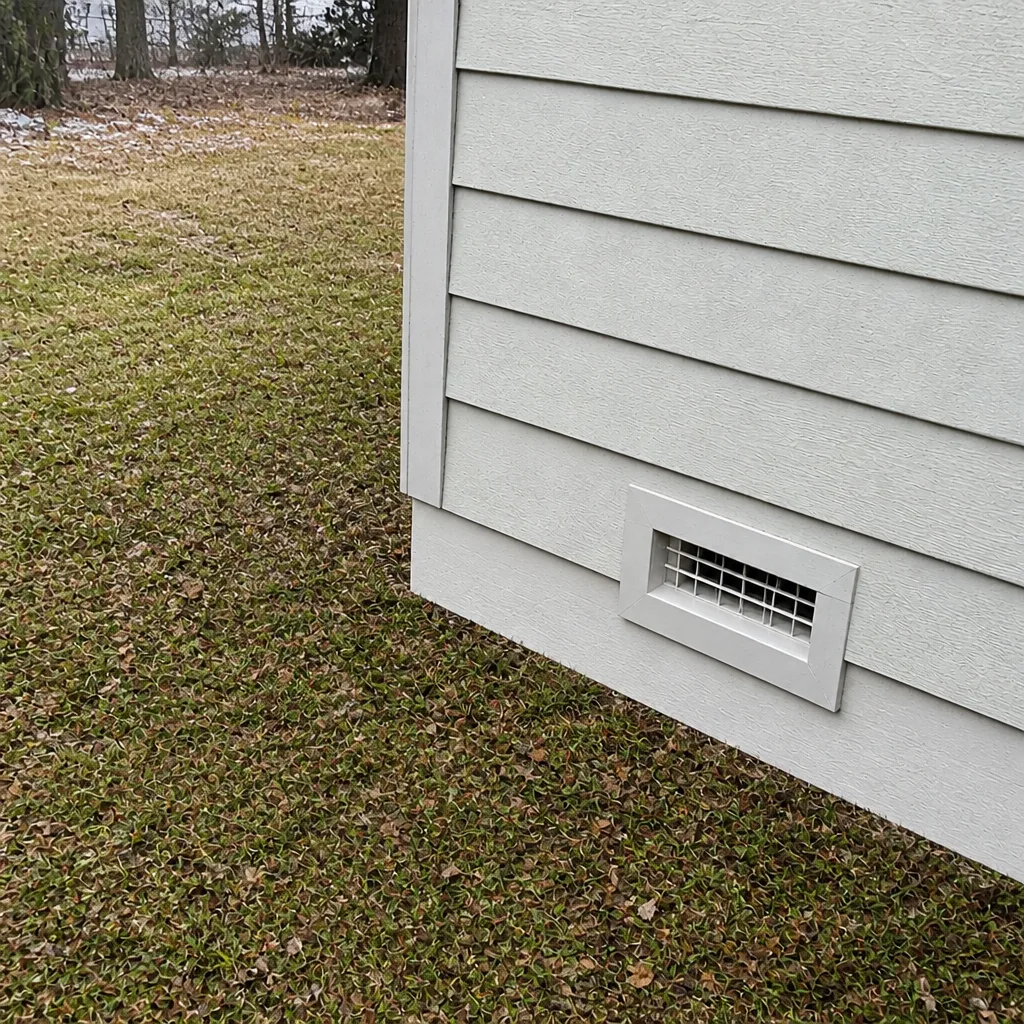 After
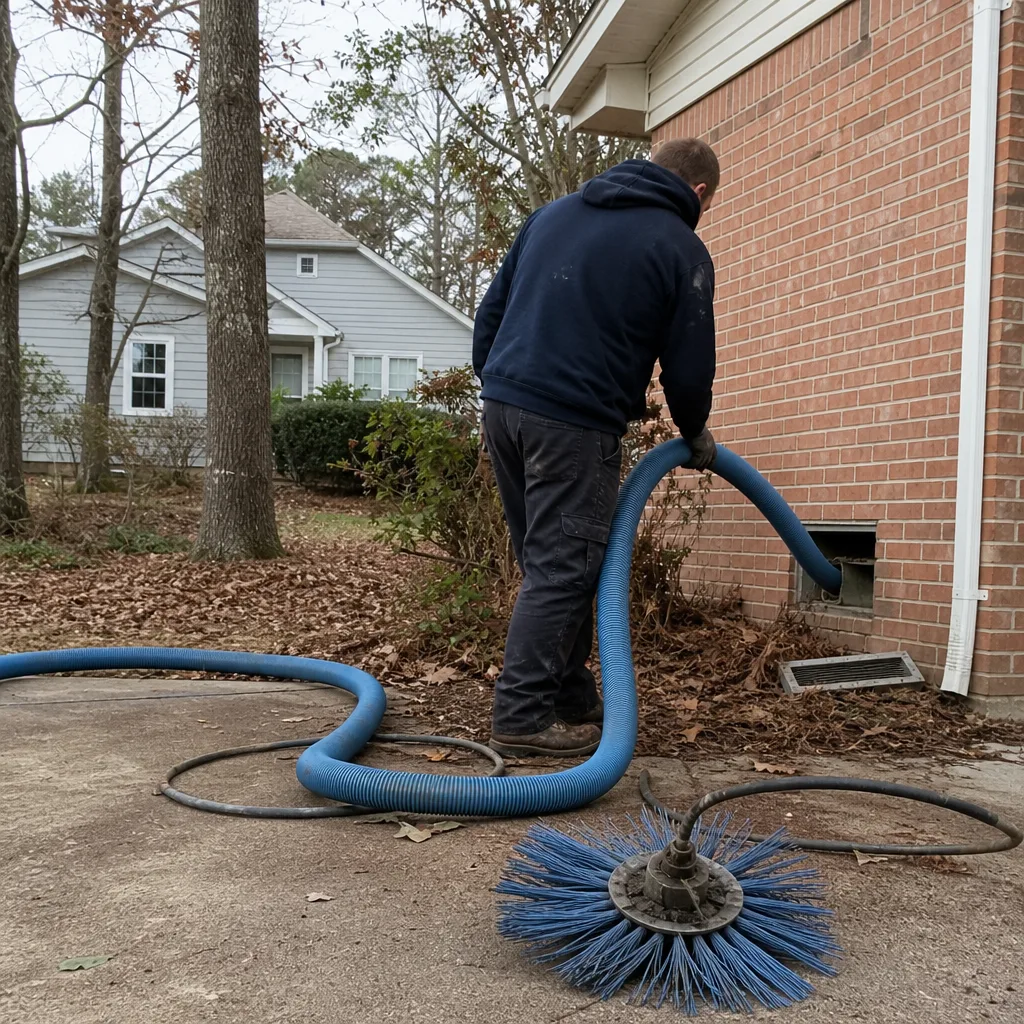 Before
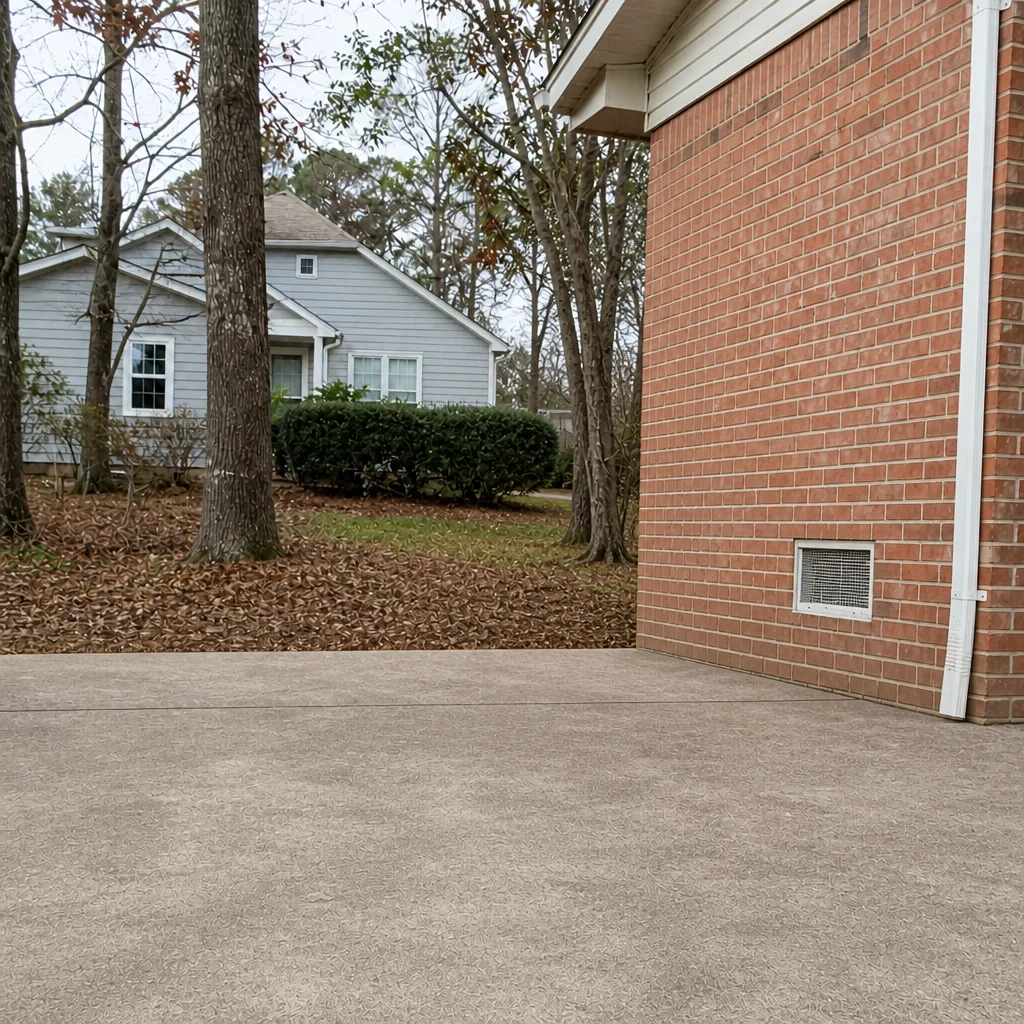 After
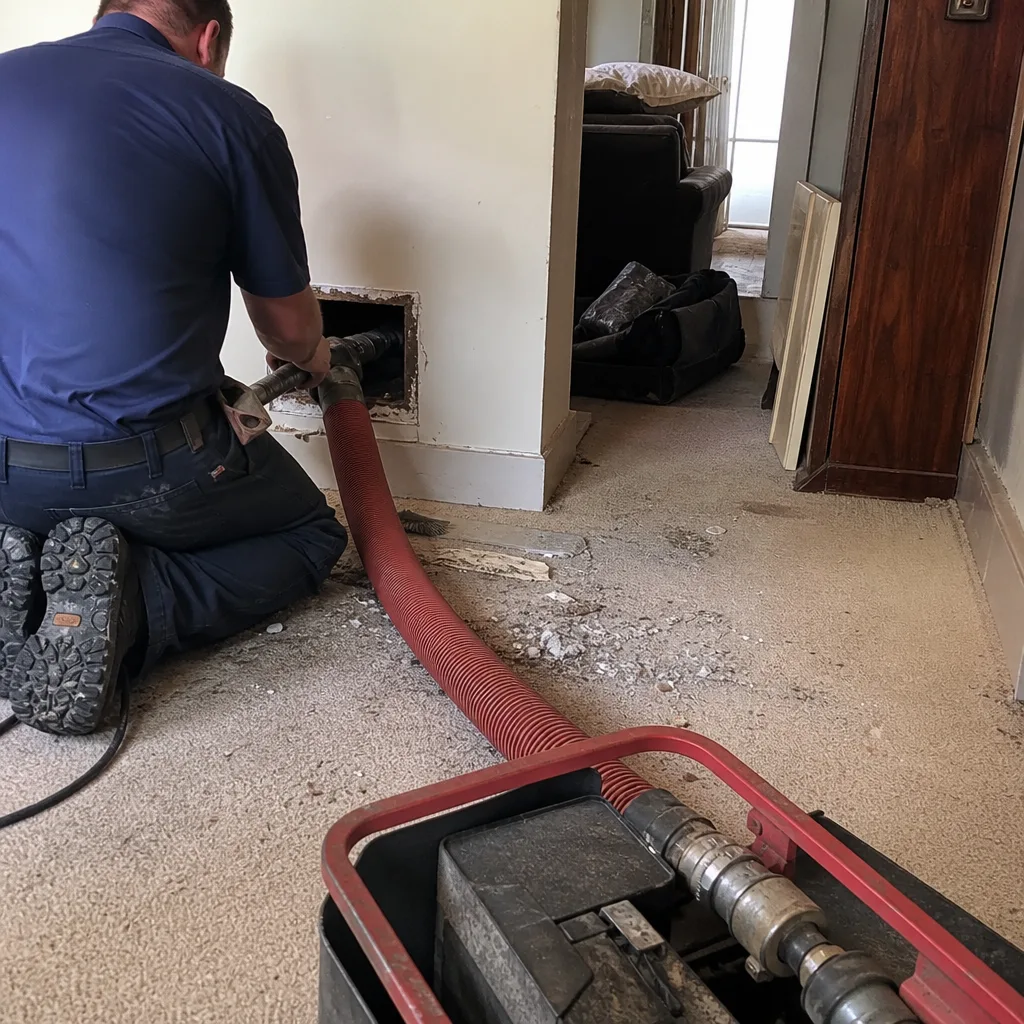 Before
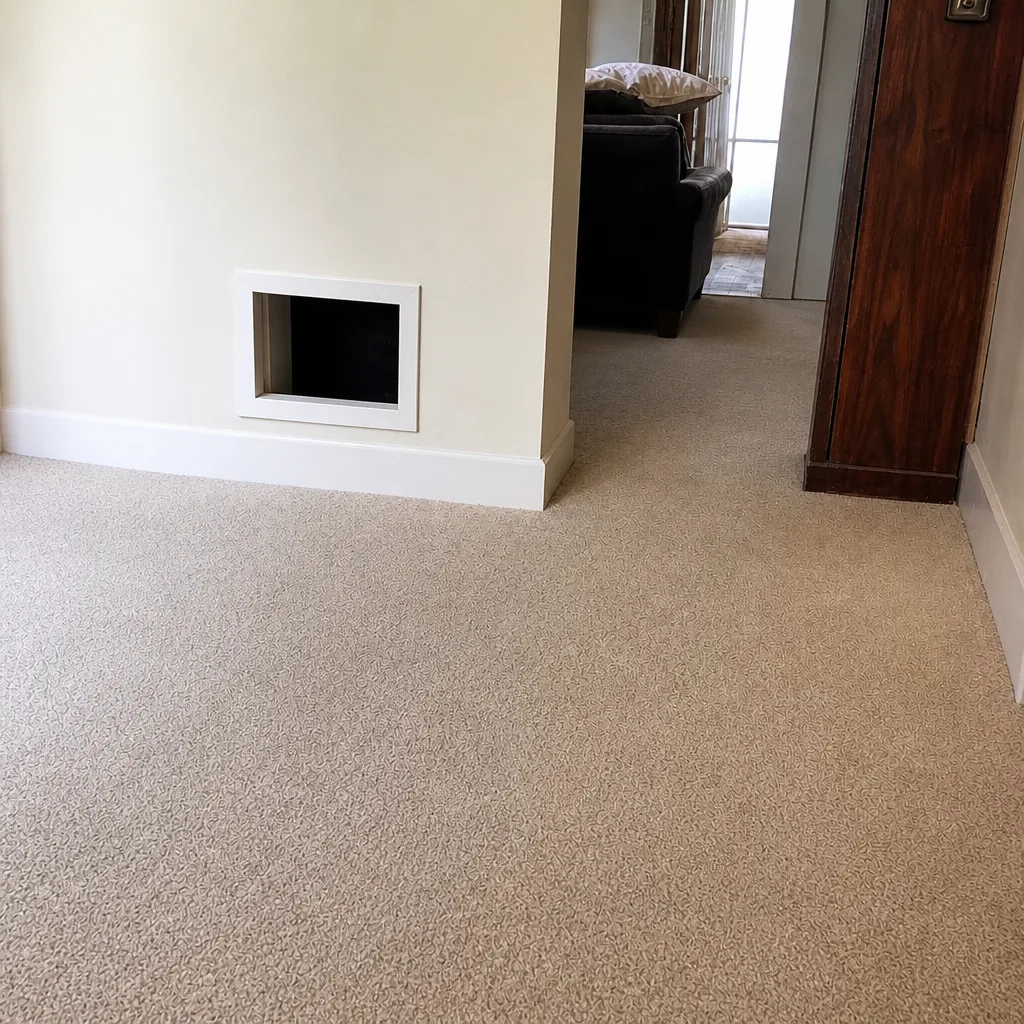 After
Frequently Asked Questions
Dirty ductwork has accumulated ordinary household dust on its interior surfaces. Contaminated ductwork contains something more than dust: biological growth from moisture, fine renovation particulate, rodent residues, or smoke deposits. The distinction matters because the response differs. Contamination calls for HEPA-rated containment equipment, sometimes sanitizing after cleaning, and an inspection of the air handler and coil alongside the ducts. Dust buildup on its own usually calls for brush-and-extract cleaning and a filter change.
There’s no single timeline, because the pace depends on the system, the home’s construction, and how recently the ducts were serviced. What’s more useful is the trend: if your filter loads faster than it used to, dust returns to surfaces sooner, or register tissue tests get darker between readings, the buildup is accelerating. Watch the trend rather than counting months.
Air duct cleaning is not a treatment for allergies, and any company that promises it will fix them is overpromising. What cleaning does is remove a source of airborne particulate and reduce the amount of material the filter has to handle. Homeowners who have allergy sensitivities often find their symptoms improve once the particulate source is reduced, but that’s a reduction, not a cure. A high-efficiency filter and, where relevant, a whole-home air quality product like an Aprilaire or Honeywell filter can help further after cleaning.
Safe homeowner-level work means changing filters on schedule, keeping returns clear of obstruction, cleaning vent grilles with a damp cloth, and running the diagnostics in this guide. Reaching into branch runs or the air handler with a shop vac is not a homeowner job. The blower, coil, and electrical components are in that space, and any cleaning that disturbs duct material without HEPA-rated extraction simply moves the debris into the airstream. For a professional review, call (877) 792-7174. We answer 24/7. Fast dispatch from 7am to 7pm, Sunday through Friday.
Post-renovation cleaning uses HEPA-rated vacuum equipment to capture drywall dust on extraction while a contact-cleaning brush agitates the duct walls. The containment is what matters most. Renovation dust is fine and easily re-entrained, so a cleaning without proper vacuum capture just spreads it. An inspection of the air handler and coil is normally included, because dust settles on those surfaces too. If you’re unsure whether your renovation introduced enough dust to warrant cleaning, the tissue test at a nearby register is the practical first check.
We’d stop short of calling it more urgent. What’s true is that warm, humid summers push system runtimes high and can tip a marginal duct system into growth. A musty smell that arrives quickly during a humid stretch is a stronger reason to inspect than the same smell in a dry climate would be. Crawlspace moisture, common in this part of North Carolina, is another factor worth watching. If your ducts run through a crawlspace that stays damp, that’s a reason to include a duct inspection with any annual service.
The Bottom Line
The warning signs that matter most in Lake Jeanette are the early ones: a filter that loads faster, a room that drifts a few degrees, an allergy pattern that tracks with HVAC runtime, a smell that shows up when the fan kicks on. Visible dust at the register is the last exhibit in the case, not the first. Run the tissue test on a schedule. Check room temperatures after a heavy cooling month. Diagnose a musty smell before you book a cleaning, so you don’t pay for the wrong service. When the pattern lines up, call in a professional with HEPA-rated containment and a brush-and-extract method. The goal isn’t a cleaning every year. It’s knowing when your system needs one. If you’re ready for a real inspection, call (877) 792-7174 for a free estimate. We answer 24/7. Fast dispatch from 7am to 7pm, Sunday through Friday.
Written by the team at Air Duct Cleaning Lake Jeanette.