
Last updated November 24, 2026
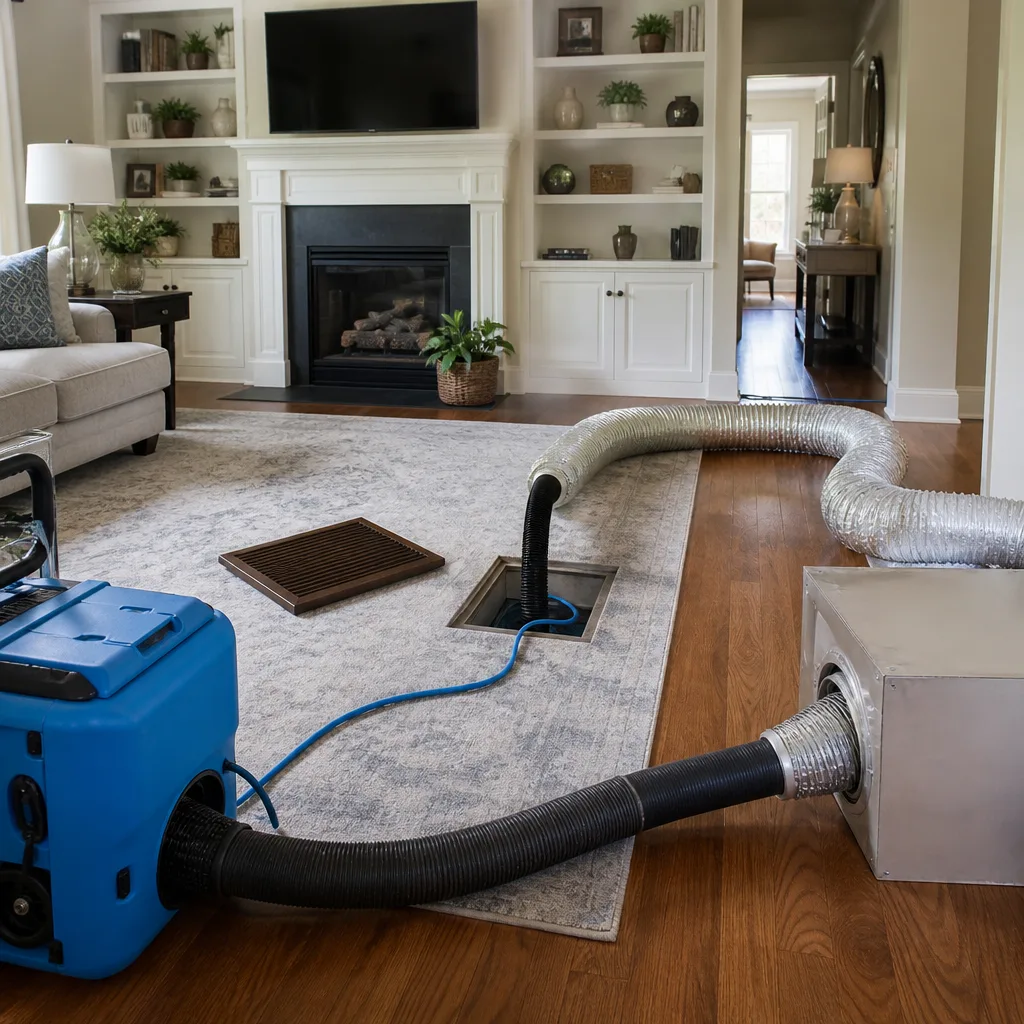 Whole-home duct cleaning
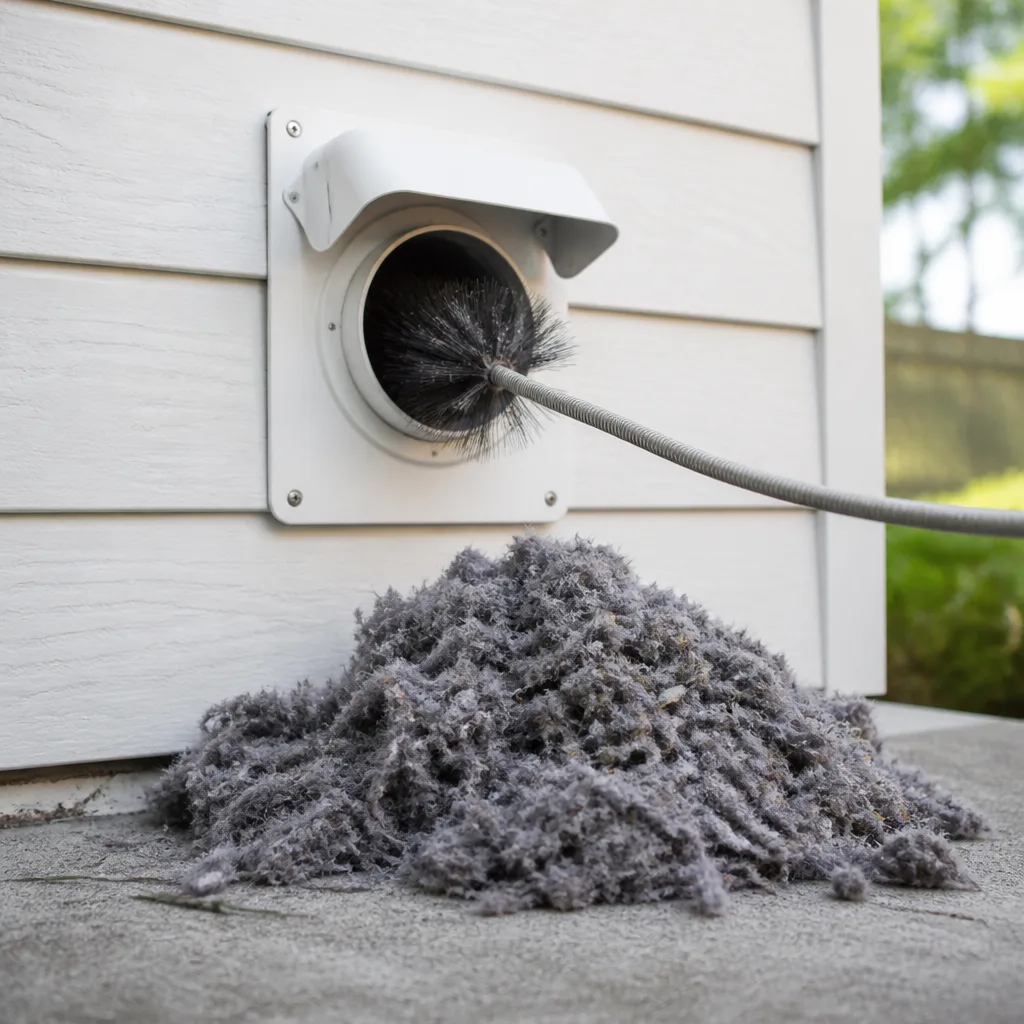 Dryer vent cleaning
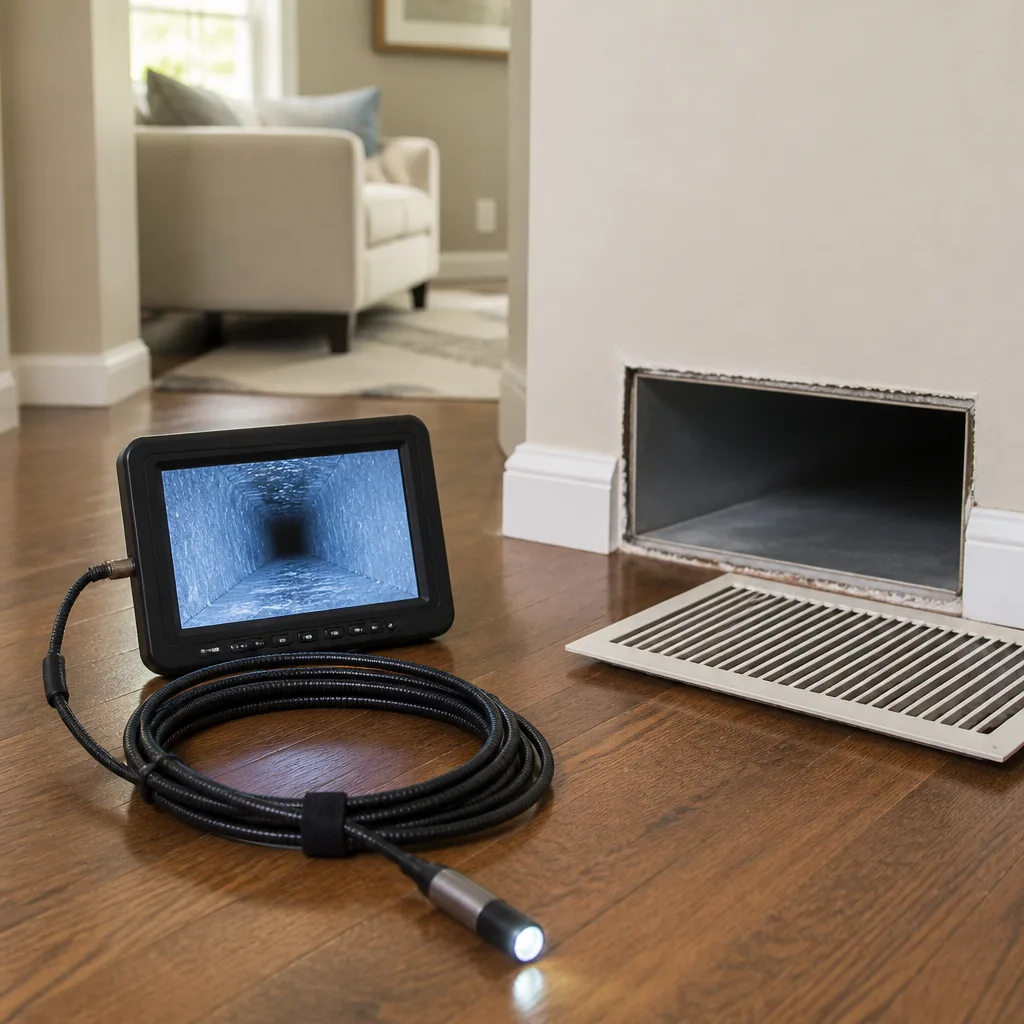 Camera inspection
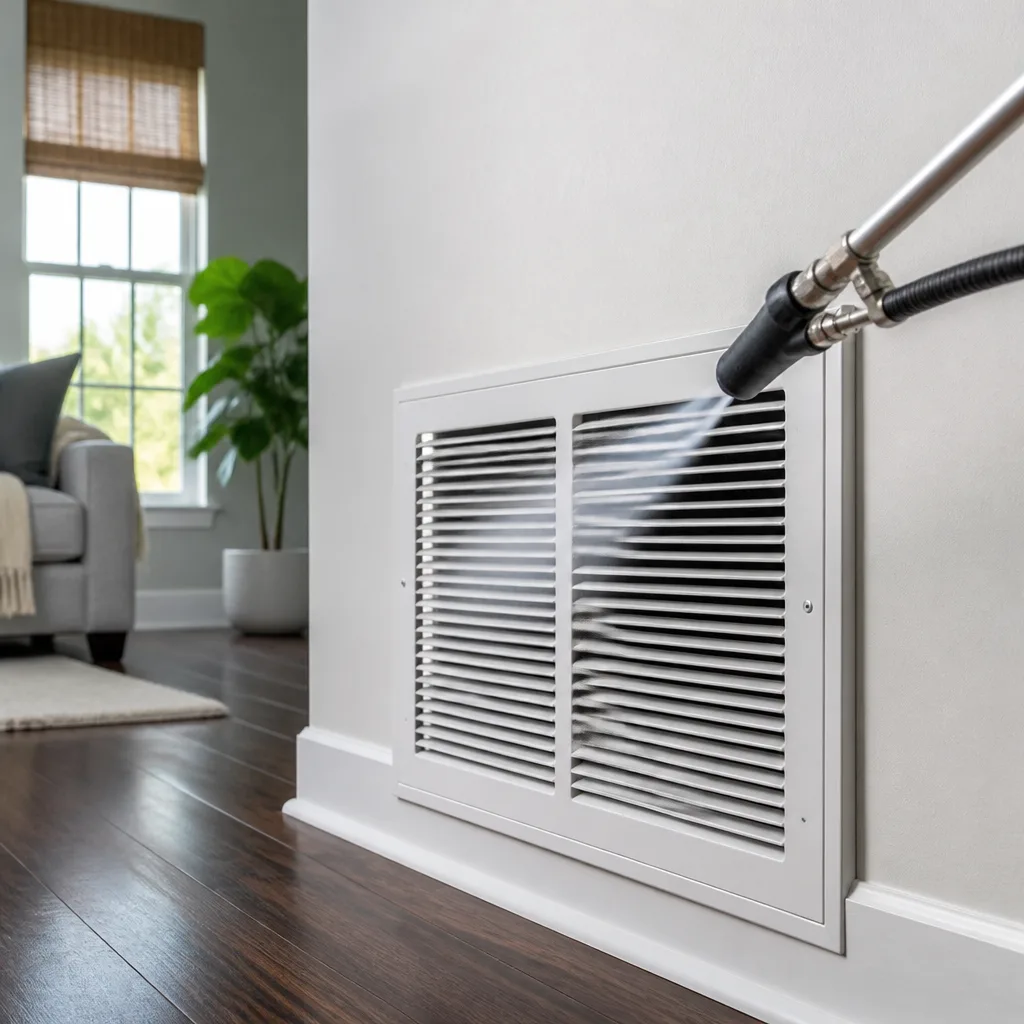 Sanitizing & deodorizing
Whole-system duct and dryer vent check with before-and-after photos - you see exactly what came out of your vents
That "$99 whole-house special" is a bait ad - the real number appears once they are in your hallway, or the "clean" is a shop-vac at the register. We photograph the inside of your ducts before and after instead.
Air Duct Cleaning Cost Breakdown: The Lake Jeanette Homeowner’s Reference for 2026
The national average for air duct cleaning is frequently cited as $300-$500. That number tells you almost nothing about whether the quote in your hand is fair. It averages an $89 blow-and-go special against a $900 source-removal job in a 2,800 sq ft Lake Jeanette crawlspace home, and the two have about as much in common as a car wash and a rebuild. Price in this trade tracks labor, equipment, access and scope, and once you can see those parts separately you can grade any quote yourself. This guide breaks the cost down line by line, explains how Lake Jeanette’s housing stock changes the math, and flags the pricing that can’t possibly deliver what it promises.
Quick Answer
Air duct cleaning in Lake Jeanette for a typical single-family home generally runs from about $350 to $750 for whole-system source removal with professional-grade HEPA equipment, with larger homes, multiple systems and crawlspace flex-duct layouts pushing toward $900 to $1,200+. Quotes under $200 for a standard home almost never cover the labor and containment a real cleaning requires. The written estimate, set per job after a look at the system, is the price you pay.
Styles & brands we work with
- Whole-home duct cleaning
- Dryer vent cleaning
- Camera inspection
- Sanitizing & deodorizing
Table of Contents
- What Actually Drives the Price: A Line-Item Breakdown
- How Lake Jeanette Housing Stock Changes the Cost
- Per-Vent Pricing vs. Linear Footage: What Each One Hides
- Add-Ons Worth Paying For and Upsells That Aren’t
- Red-Flag Pricing: Why a $99 Quote Can’t Be Real
- The Questions to Ask Before You Sign
- How Often Does It Need Doing in Lake Jeanette?
What Actually Drives the Price: A Line-Item Breakdown
Every legitimate air duct cleaning quote is built from the same five ingredients. When you know what they are, a price stops being a mystery number and becomes a sum you can check.
1. Linear footage of ductwork. This is the single biggest cost driver. The longer the trunk-and-branch runs, the longer the technician is connected to the system, agitating walls and extracting. A compact single-story home might have 90 linear feet; a two-story with a finished basement and two zones can pass 220. Cleaning doesn’t scale by room count, it scales by how much duct the equipment has to travel.
2. Supply and return registers. Returns matter as much as supplies and often get skipped by cheap operators because they’re fewer and messier. A house with 18 supplies and 3 returns is more work than one with 12 supplies and 1 return, even at identical square footage.
3. System access points. Every duct run needs a cut-in access panel so the brush and vacuum hose can reach it, then the panel gets sealed afterward. Ducts with few existing access points gain cost because the technician is creating them. Ducts buried behind finished drywall or tight in a crawlspace gain more.
4. Coil cleaning inclusion. The evaporator coil and blower assembly are where a lot of the biological growth and dust mat actually lives. Some quotes include coil cleaning; many don’t. Ask directly, because a duct clean that leaves a fouled coil in place recontaminates the system the moment the air handler runs.
5. Equipment mobilization and containment. Truck-mounted or portable HEPA vacuum systems with rated filtration (Nikro, for example) cost more to run than a shop vac and a leaf blower. That equipment cost is real and it shows up in the price, and it’s the difference between removing debris and redistributing it through the house.
| Scope of work | Typical estimated range |
|---|---|
| Whole-system cleaning, standard single-story home | $350 – $550 |
| Whole-system cleaning, two-story with multiple returns | $500 – $800 |
| Larger home, two HVAC systems, crawlspace flex duct | $800 – $1,200+ |
| Coil and blower assembly cleaning (often bundled) | $150 – $300 add-on |
| Duct sealing after cleaning | $300 – $700 depending on leakage and access |
| dryer vent cleaning | $100 – $200 |
Those ranges are typical for the Lake Jeanette market, not a rulebook. The written estimate after a walkthrough is the number that counts.
How Lake Jeanette Housing Stock Changes the Cost
Ductwork configuration is the variable that separates one house from the next, and in Lake Jeanette the dominant configuration is the crawlspace foundation with flex duct runs beneath the floor. That layout is common across the Piedmont, and it changes the labor picture in ways a square-footage quote never captures.
Here’s the mechanics. In a crawlspace system, the supply trunk and branch runs are suspended or strapped under the floor joists, and the technician has to physically crawl the length of the house to reach each run, cut in access, agitate the flex duct walls without tearing them, and extract. Flex duct is more fragile than rigid galvanized pipe; it compresses, it sags, it can collapse at a poorly supported elbow. A technician working around it moves slower and more carefully than one working in a clean attic with rigid trunk line. That time is in the price.
Compare that to a slab-on-grade home, where ducts are often in the attic. Attic runs in this climate are hot in summer and cold in winter, but they’re usually more accessible and easier to work in a straight line. A Cape Cod or ranch with a single trunk and few branches is faster still. None of these are better or worse houses. They just present different labor, and a quote that ignores configuration is guessing.
Lake Jeanette’s tree cover matters too. Mature canopy means more leaf litter and pollen pulled into return grilles through the cooling season, and homes under shade tend to hold moisture in the crawlspace longer. That moisture is why crawlspace duct systems often arrive at the cleaning stage with more caked debris on the flex walls than an attic system would. air duct cleaning in a crawlspace home is genuinely more work, and a fair quote will reflect it.
Per-Vent Pricing vs. Linear Footage: What Each One Hides
Per-vent pricing is the most common format you’ll see advertised, and it’s the least informative. A “$119 for the first vent, $29 each additional” model sounds transparent but it’s an anchor. It tells you nothing about the length of the trunk line, whether returns are included, whether the coil gets touched, or how many access panels have to be built. Two houses each with 16 vents can differ by 80 linear feet of duct, and per-vent pricing charges them the same.
Linear footage pricing is honest about the variable that actually drives labor. A quote that says “up to 150 linear feet including supplies and returns, coil cleaning included, sealing of access panels after” is a quote you can hold someone to. It communicates scope. It leaves less room to invent add-ons once the technician is inside.
Square footage pricing falls somewhere between. It’s a reasonable proxy for total duct volume in a house with a standard layout, and it’s easier to quote sight-unseen. The weakness is that two same-size homes can have wildly different duct configurations. A 2,400 sq ft ranch with one centrally located air handler has less duct than a 2,400 sq ft two-story with two systems and long trunk runs to second-floor bedrooms.
In our experience, the fairest estimate combines a square-footage or linear-footage baseline with a walkthrough before the price is locked. Whoever quotes you should be willing to walk the crawlspace or attic with you and point at what’s there. If the estimate happens entirely over the phone and the technician arrives with a number lower than agreed, that’s a red flag, not a deal.
Add-Ons Worth Paying For and Upsells That Aren’t
The moment a technician finishes cleaning is when add-on pressure usually starts. Some of those offers are legitimate services with real cost justification. Others exist because cleaning alone is a low-margin job and the upsell is where the profit lives. Here’s how to sort them before anyone arrives.
Worth the money
- Coil and blower cleaning. The evaporator coil is where a great deal of microbial growth and dust mat accumulates in a humid climate. A cleaned duct system attached to a dirty coil recontaminates within weeks. If it’s not included in the base quote, it’s worth the $150-$300.
- Duct sealing. Loose joints at boots, elbows and the trunk connection leak air, and leaky ducts pull crawlspace air – including whatever’s in that crawlspace – into the supply. Sealing after cleaning is a legitimate scope of work with a verifiable result, and it’s part of a full indoor air quality service.
- Dryer vent cleaning. A blocked dryer vent is a fire hazard and a genuine safety concern, not a selling point. If the dryer is running hot or taking two cycles, this one is worth doing and often gets bundled with the duct work in a single appointment.
- Return-side sanitizing, done properly. Where the system shows biological growth, an antimicrobial treatment applied with Guardsman-grade products, after the mechanical cleaning is finished, makes sense. The caveat: sanitizing comes after cleaning, not instead of it. A spray alone with no brush-and-extract first is theater.
Not worth it as a point-of-service push
- UV lights sold as a cure-all. They can be useful adjuncts in the right spot, but they don’t remove debris and they don’t filter the air stream. Selling one in place of a proper cleaning is a distraction.
- “Enzyme fogging” of the whole duct system. Fog is a surface treatment with a short effective life. If mechanical cleaning hasn’t happened first, fog does nothing meaningful beyond the smell of the product.
- Filter upgrades pitched stand-alone. A better filter (Aprilaire or Honeywell, for instance) is a real upgrade, but the fit and the return grille have to be considered together, and it shouldn’t be sold as a substitute for cleaning the system.
- Sealing every joint as an emergency. Sealing is legitimate work. It stops being legitimate when it’s sold at a surprise premium because the technician “found leaks” that could have been identified in the walkthrough.
A full-service indoor air quality provider can legitimately offer Aprilaire or Honeywell filtration and humidity products, and using the same equipment remediation contractors use (Abatement Technologies containment, Nikro HEPA extraction) signals a standard of work. But the principle holds: cleaning first, verification second, optional upgrades third, all priced in the written estimate before work starts.
Red-Flag Pricing: Why a $99 Quote Can’t Be Real
Run the arithmetic on a $99 duct cleaning special. A two-technician crew, a HEPA vacuum system, a brush system, access panels, travel, containment, payroll taxes and overhead – the cost of just showing up and running for two hours is well above the consumer price. So what actually happens?
One of a few things:
- The “cleaning” is a shop-vac pass at the return or a leaf blower into the supply. No containment, no brush contact with the duct walls, no extraction. It’s not cleaner afterward, and it may be dirtier.
- The $99 becomes a $1,200 invoice at the door. The coupon is a teaser. The technician arrives, is “shocked” at what they find, and presents a much larger bill or leaves.
- The work is real but the scope is minimal. “One system, up to eight registers” with the trunk line excluded. The price is real; the coverage isn’t.
- The equipment isn’t rated for the job. No HEPA containment means fine particulate gets pulled out of the ducts and into the air you’re breathing. That’s the opposite of the intent.
None of this means every low quote is fraudulent. A short-run home with a single air handler, no returns to speak of, and clean duct walls can genuinely cost less to clean. But when the number is below the cost of skilled labor and equipment for a whole house, something has been left out of the scope, and it’s usually the part that mattered. The reason the coupon model persists is that consumers judge quotes on the headline number. The way to beat it is to judge on scope.
The Questions to Ask Before You Sign
You can separate a real quote from a coupon in about five minutes if you ask the right things. These are the ones that matter in Lake Jeanette:
- “Is the price per job or per vent, and does it include returns?” A whole-system price with returns included is the honest format.
- “Is the coil and blower included, and if not, what does that add?” If the answer is “we can add it once we’re on site,” write the add on the estimate now.
- “What equipment are you using?” You’re listening for a named HEPA system and a contact-cleaning brush, not “our special machine.”
- “How many access panels will you need to cut, and do you seal them after?” Sealing access is part of the job, not a separate upsell.
- “Can I see before-and-after photos of my own system?” Photos of your ducts, not a brochure. This is the single question that catches bait-and-switch fastest.
- “Is the price in writing, and is it final barring something you can’t see until you’re in?” A written estimate that holds is the whole answer.
Our air duct cleaning Lake Jeanette estimates work this way: we walk the system, we tell you what it’ll take, and the price is set per job before anyone starts. Before-and-after photos of your own ducts come as standard, because you shouldn’t have to take our word for it.
How Often Does It Need Doing in Lake Jeanette?
Most homes in Lake Jeanette benefit from a cleaning every three to five years, and crawlspace-foundation homes with pets, recent renovation dust, or anyone in the household with allergies or asthma should lean toward the three-year end. The Piedmont pollen season is heavy, and a shaded lot under mature trees means more debris pulled in through returns during the cooling months. Homes near the lake itself, with more ambient moisture, tend to see more growth on coil and duct walls over time.
Three triggers matter more than a calendar:
- You can see debris on return grilles or at the boots when you pull a vent cover.
- Airflow is uneven – some rooms cool or heat well, others don’t, after the filter’s been changed.
- Odors on startup – a musty smell when the system kicks on points at the coil and duct walls, not the filter.
Renovation is the fourth. Drywall dust and construction debris migrate through an operating HVAC system and settle in the duct walls. A post-construction cleaning with HEPA containment is worth scheduling once the sawdust stops flying. Our HVAC cleaning service handles the coil and blower side, which is the piece most standalone duct services don’t touch.
Common Mistakes to Avoid
- Judging quotes on the headline number. A $99 quote and a $550 quote aren’t competing offers if they cover different scope. Read the scope, not the coupon.
- Never getting the price in writing. In this trade, the verbal number at the door is the least reliable document in the file. Insist on a written estimate before any work begins.
- Accepting a cleaning with no return-side work. Returns are fewer but they’re where most of the debris lands. A quote that ignores them is only half a job.
- Giving the go-ahead without seeing the equipment. If there’s no HEPA-rated containment and no brush system, there’s nothing to agitate the duct walls or trap fine particulate, and the work won’t be verifiable.
- Letting a point-of-service upsell dictate the visit. Decide in advance what add-ons you want. Coil cleaning, sealing and dryer vent work are legitimate. UV lights and enzyme fog pushed at the door are not the cleaning.
- Skipping the crawlspace walk. In a Lake Jeanette crawlspace home, the ducts are under the floor and the technician needs to see them to quote them. A quote that never touched the crawlspace is a guess.
- Treating a spray-down as a cleaning. Sanitizing after mechanical cleaning can be a sensible step. Sanitizing with no cleaning first leaves the debris (and the source of the smell) right where it started.
See the difference
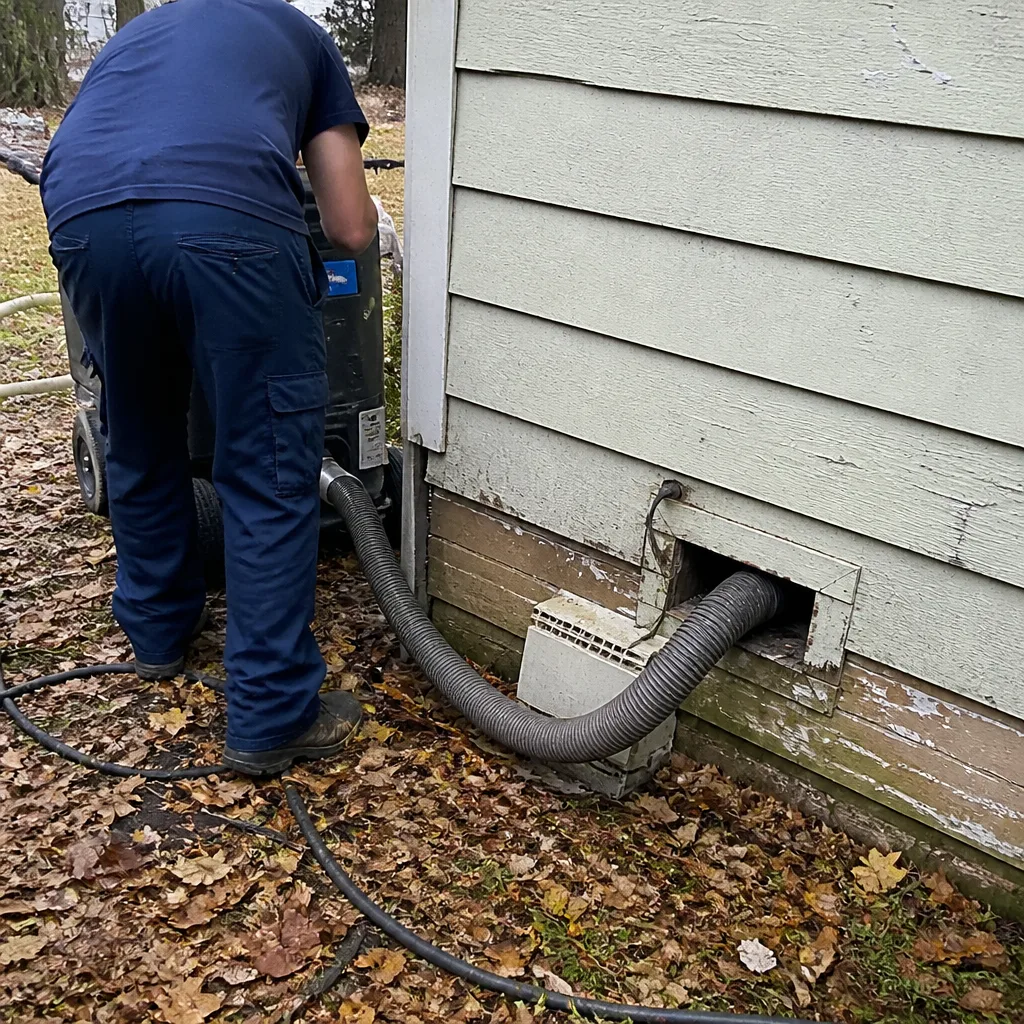 Before
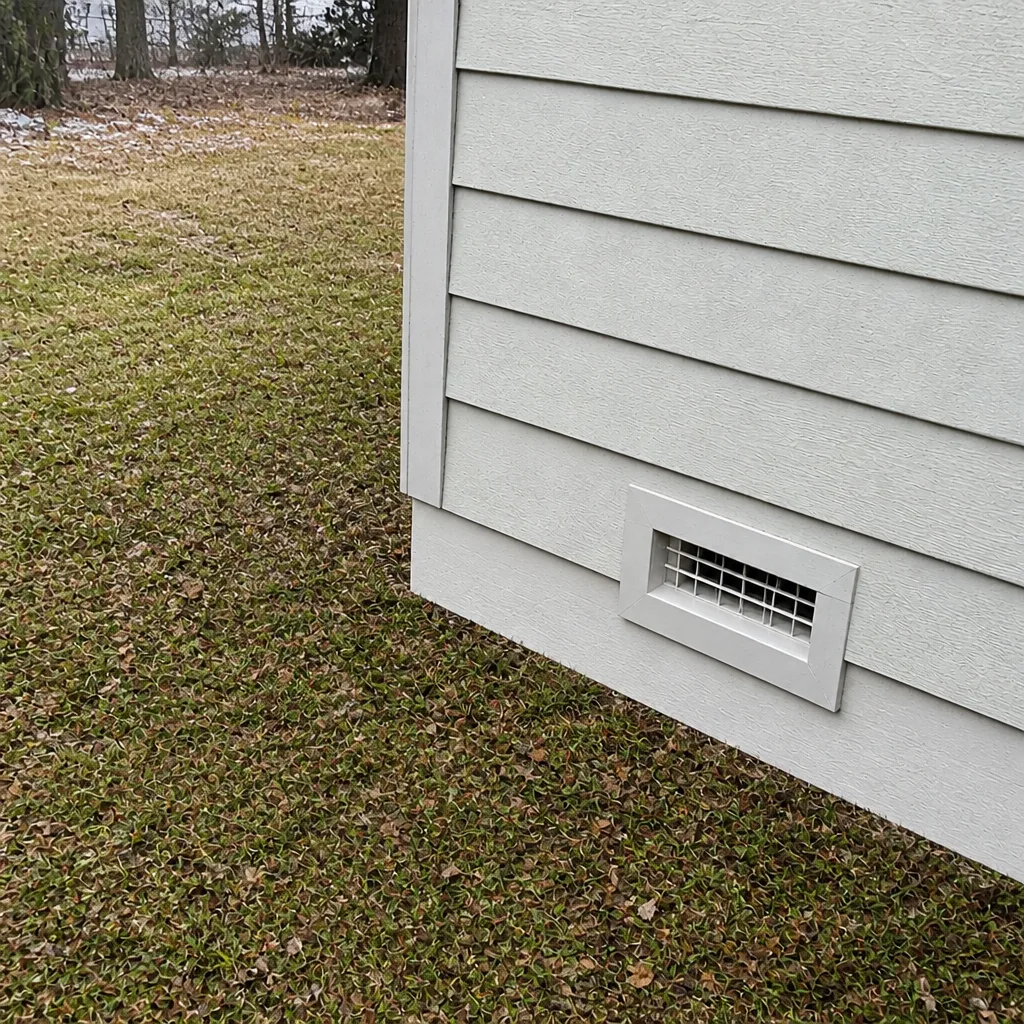 After
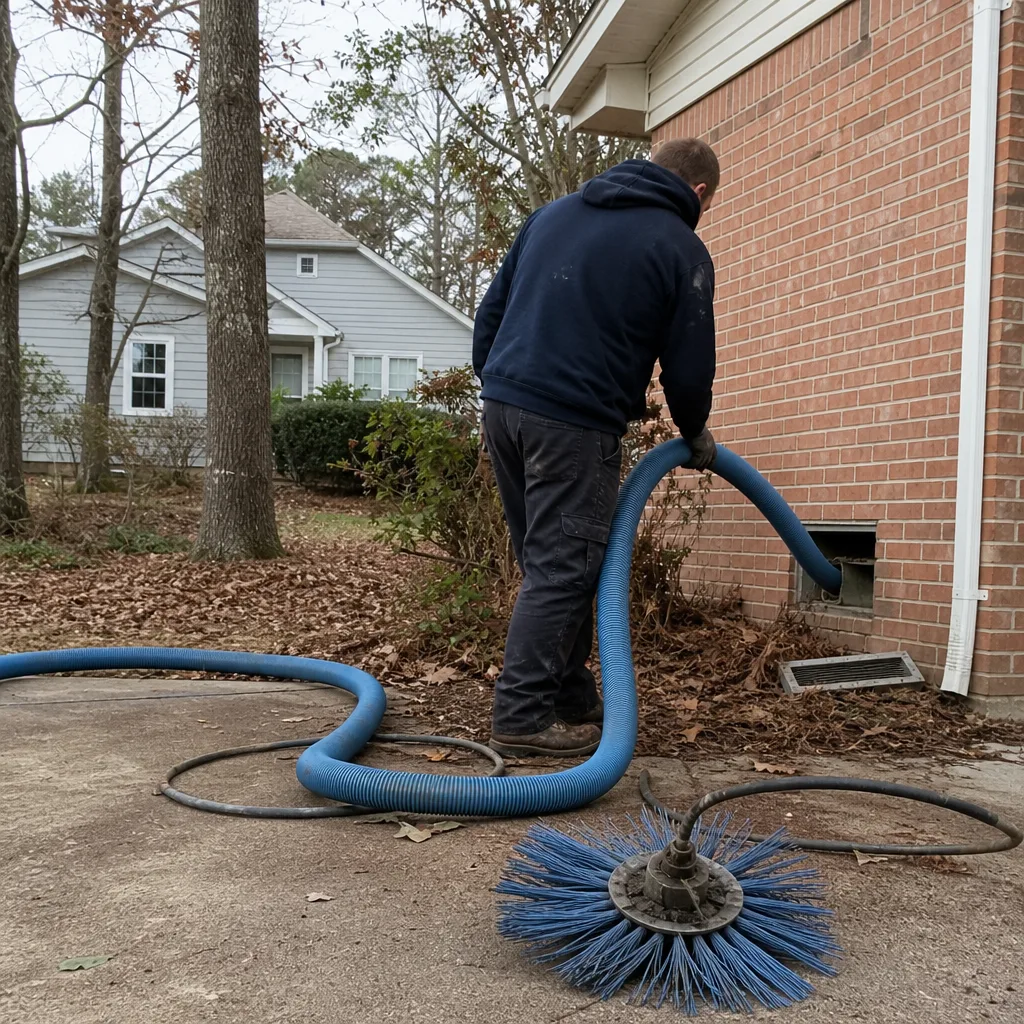 Before
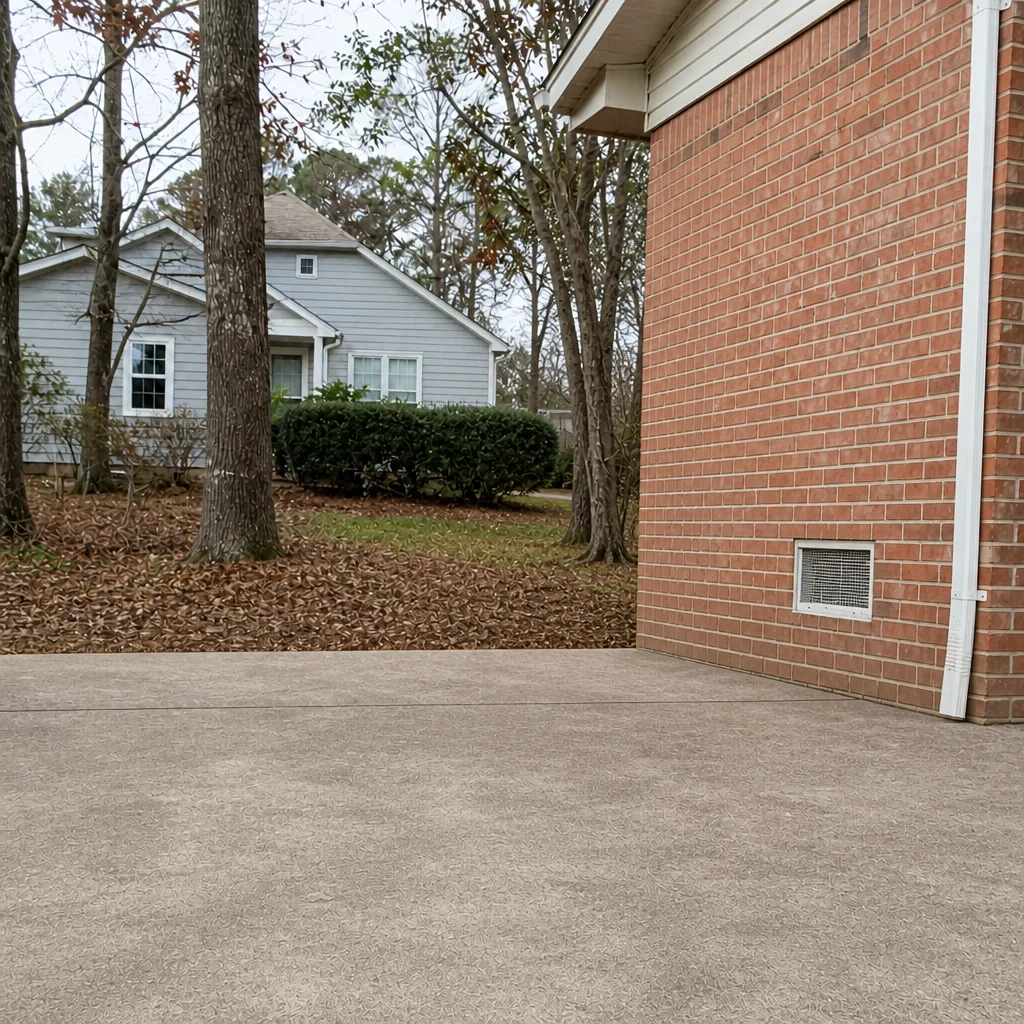 After
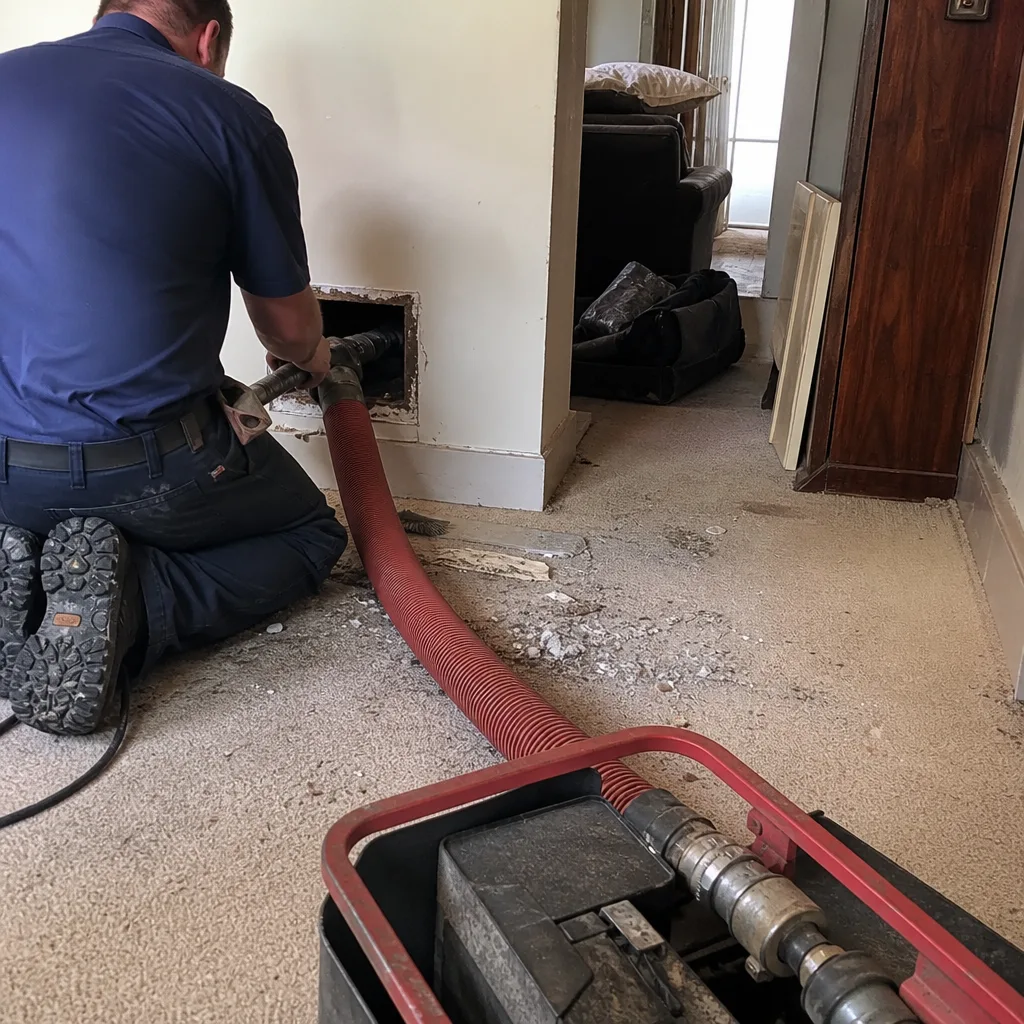 Before
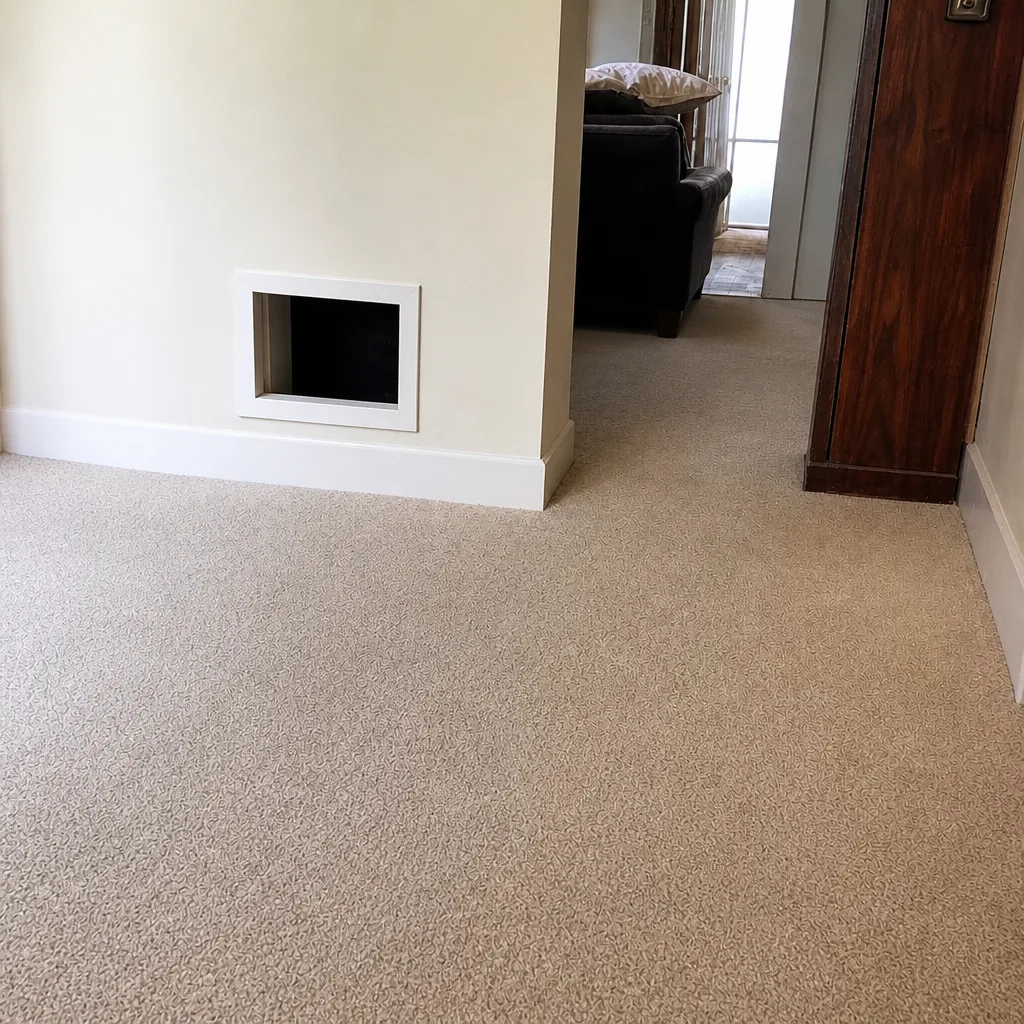 After
When to Call a Professional
If you pull a return grille and see accumulated debris on the duct wall, or if a musty smell arrives each time the system starts, a professional cleaning is the next step. The same is true after any renovation that produced drywall dust, if a family member’s allergies have worsened and the filter changes aren’t helping, or if airflow is uneven between rooms with the same thermostat setting. In crawlspace homes under heavy tree cover, the debris load builds faster and worth inspecting on a three-to-five-year cycle.
Air Duct Cleaning Lake Jeanette offers free estimates in Lake Jeanette – call (877) 792-7174. Our technicians have up to 13 years of experience, and we use the same contact-cleaning and HEPA extraction equipment remediation professionals use. We answer 24/7. Fast dispatch from 7am to 7pm, Sunday through Friday.
Frequently Asked Questions
For a typical single-family home in Lake Jeanette, whole-system air duct cleaning generally runs from about $350 to $750, with larger crawlspace homes and two-system houses reaching $900 to $1,200 or more. That range covers source-removal cleaning with HEPA extraction, supplies and returns, access panels and their sealing, and a written estimate before work starts. Call (877) 792-7174 for an exact quote – estimates are free.
Quotes below about $200 usually exclude the labor, containment and equipment a real cleaning requires. Either the scope is minimal (one system, few registers, excluding the coil and returns), or it’s a teaser that becomes a much larger invoice once the technician is on site. Ask what’s included, what equipment is used, and whether the price is final. Call (877) 792-7174 and we’ll walk you through a scope that holds.
Ask for before-and-after photos of your own ducts, taken inside the system, not a brochure. A crew that cleaned the ducts should be able to show you the walls you can’t reach, plus the cut-in access panels sealed after cleaning. If neither is offered, that’s your answer. Call (877) 792-7174 if you want a cleaning you can verify.
In most Lake Jeanette crawlspace homes, yes. Flex duct under the floor has to be reached by crawling, the duct walls are more fragile than rigid pipe, and access is tighter, so the job takes more time. That time is the cost. The upside is that crawlspace ducts often need cleaning more often, because moisture and pollen load in this climate build up on flex walls quickly. Our air duct cleaning service is priced per job after a walkthrough of the crawlspace, not over the phone.
Every three to five years for most homes, with the three-year end of that for crawlspace-foundation homes, pet households, post-renovation cleanings, or anyone in the house with allergies or asthma. Visible debris on the return, uneven airflow, or a musty smell at startup all mean it’s time regardless of the calendar. Call (877) 792-7174 and we’ll tell you honestly whether you’re due.
Yes – dryer vent cleaning is one of our five core services and is often scheduled in the same appointment as the duct work, typically in the $100-$200 range. A blocked dryer vent is a fire hazard and a real safety issue, so it gets the same attention as the duct side. Call (877) 792-7174 to add it to your estimate.
The Bottom Line
Air duct cleaning cost in Lake Jeanette tracks five things: duct length, register count, access difficulty, whether the coil is included, and the containment equipment used. Learn to grade a quote on those five and the coupon wars stop mattering. A $99 special is either a partial job, a teaser, or not real cleaning; a $900 quote can be entirely fair for a two-system crawlspace home with biological growth on the coil. The written estimate, set per job after a walkthrough, with before-and-after photos of your own ducts, is the only format worth signing. Everything else is a guess.
If you’re ready for a straight answer on your home, call Air Duct Cleaning Lake Jeanette at (877) 792-7174 for a free estimate. We answer 24/7. Fast dispatch from 7am to 7pm, Sunday through Friday. Our technicians have up to 13 years of experience, and the written estimate you receive is the price you pay.
Written by the team at Air Duct Cleaning Lake Jeanette.