
Last updated November 24, 2026
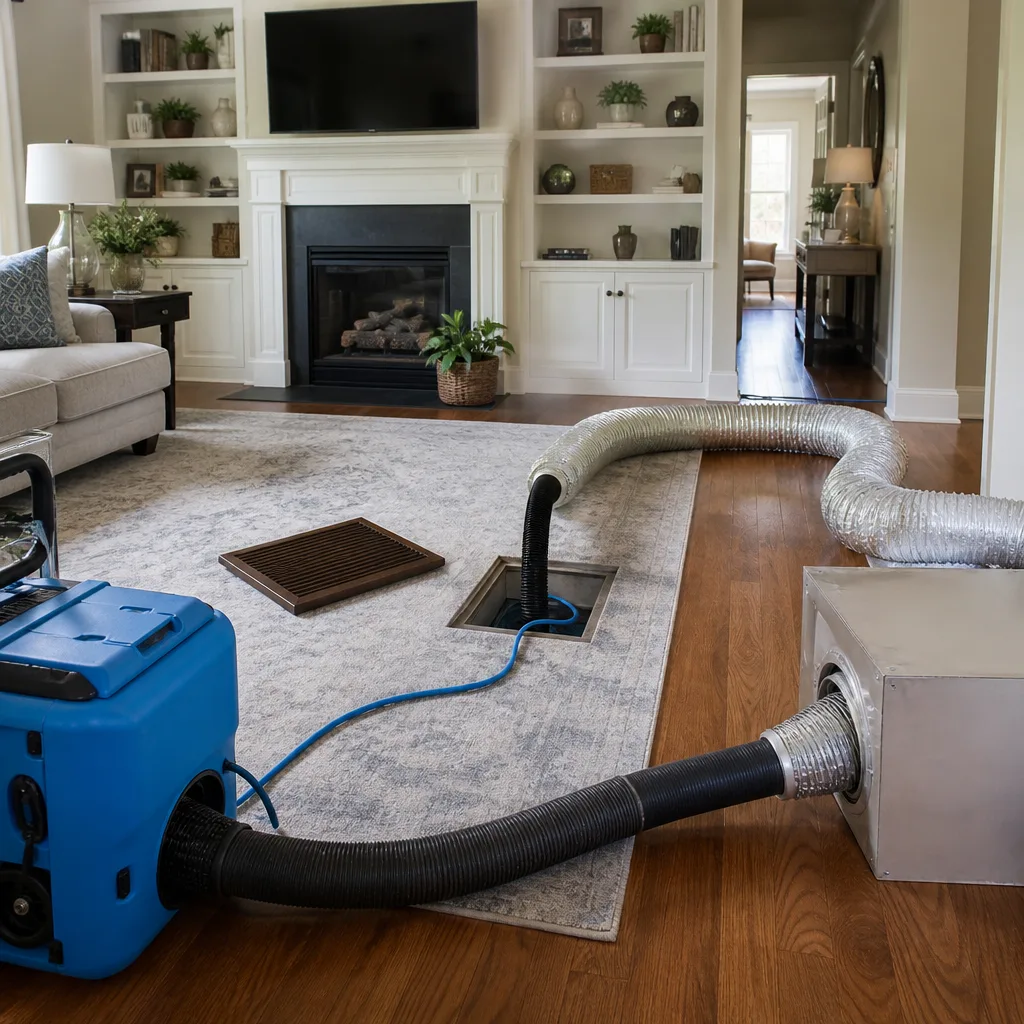 Whole-home duct cleaning
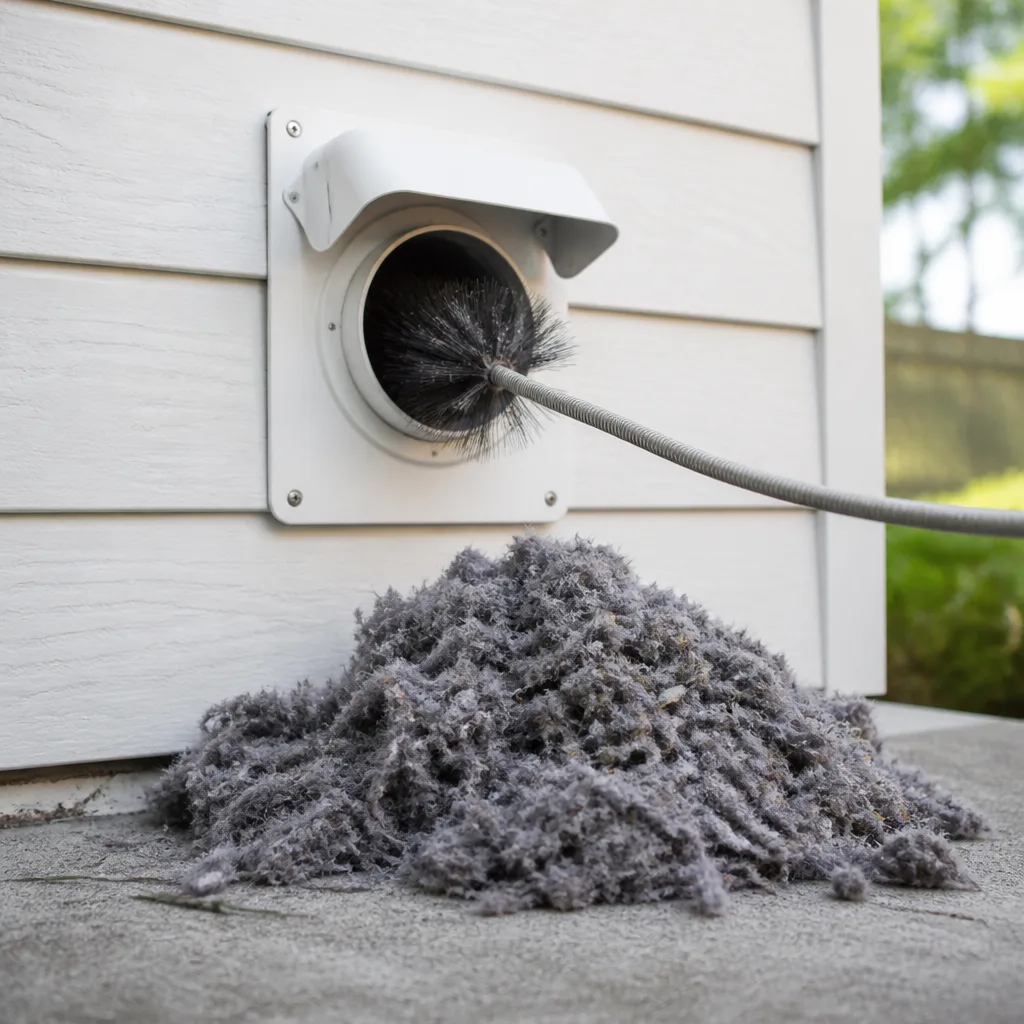 Dryer vent cleaning
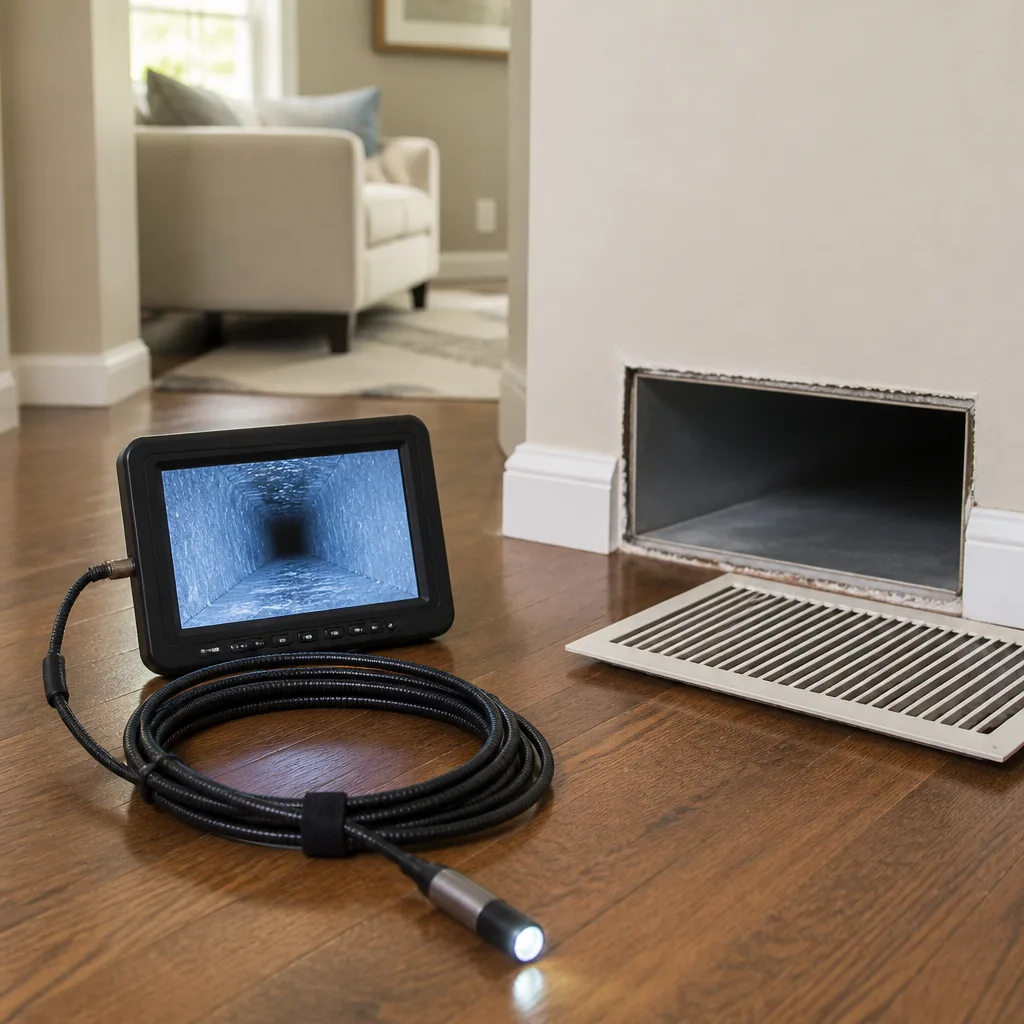 Camera inspection
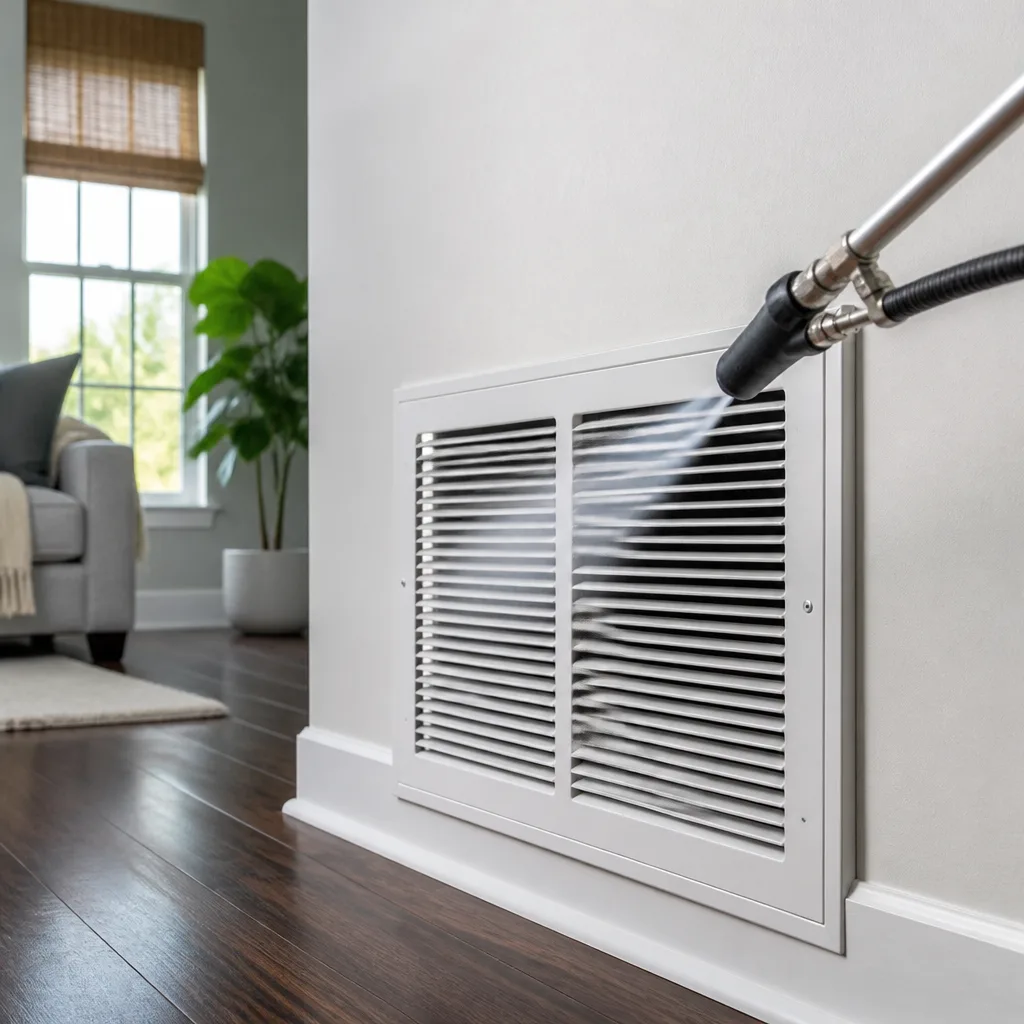 Sanitizing & deodorizing
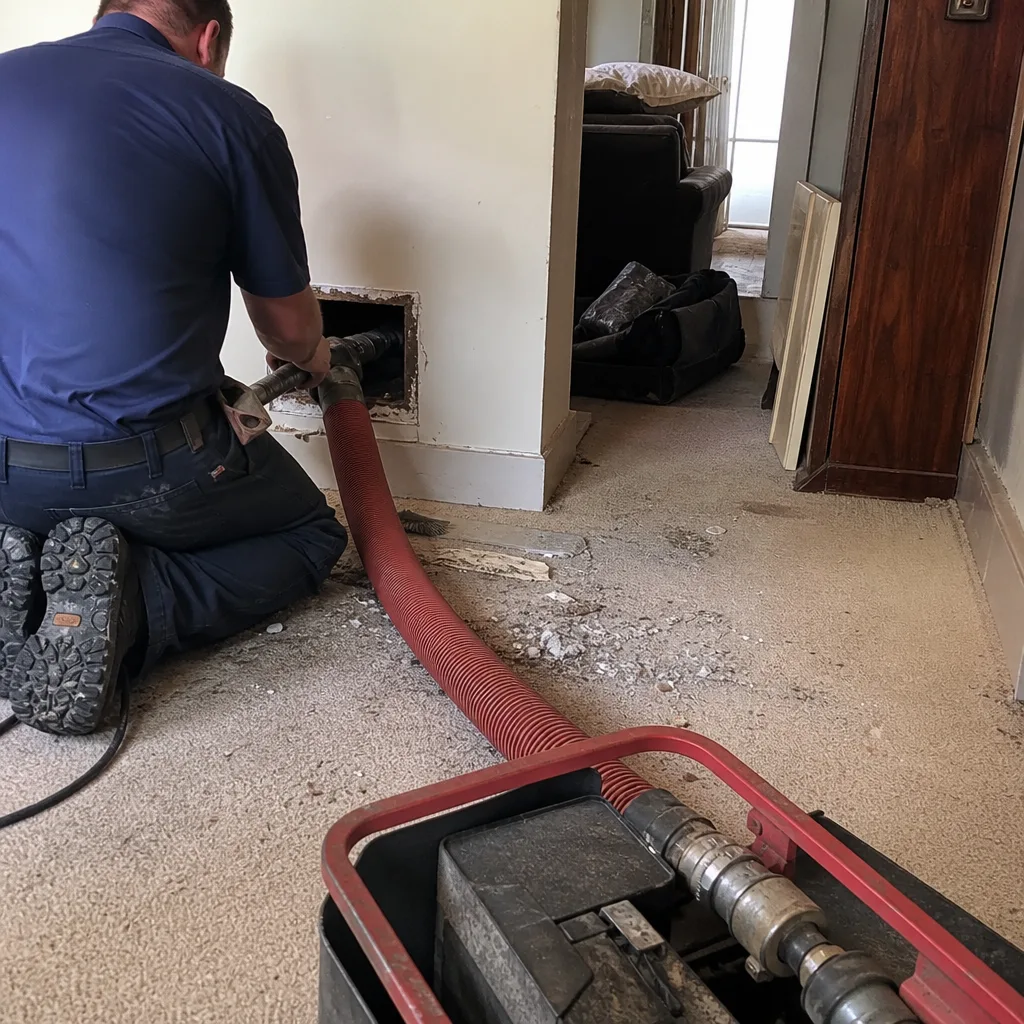
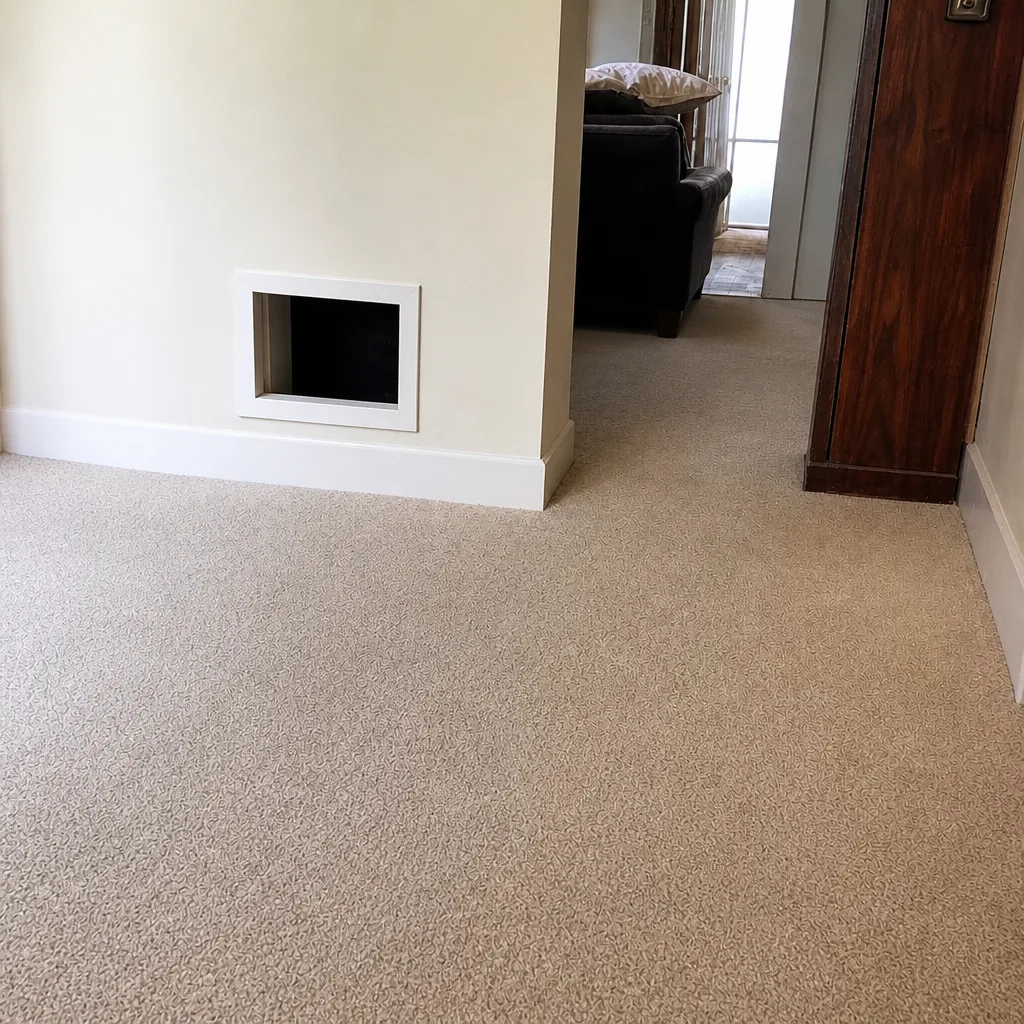
Whole-system duct and dryer vent check with before-and-after photos - you see exactly what came out of your vents
That "$99 whole-house special" is a bait ad - the real number appears once they are in your hallway, or the "clean" is a shop-vac at the register. We photograph the inside of your ducts before and after instead.
Air Duct Cleaning Maintenance Checklist for Lake Jeanette Homeowners
Telling a homeowner to clean the ducts every three to five years is the HVAC equivalent of telling someone to change their oil every two years regardless of mileage. A Lake Jeanette house with two shedding dogs and a crawlspace return can hit real contamination thresholds in eighteen months, while a sealed-slab home with no pets may still be clean at year six. The calendar tells you almost nothing. What tells you something is what you can actually see at the registers, what your filter is catching, and how much moisture is sitting under the floor. This guide gives you a checklist you can run yourself in Lake Jeanette, with clear thresholds that tell you when it’s time to call a professional.
Quick Answer
You don’t need a fixed cleaning schedule; you need a short annual inspection routine. Check every register with a flashlight twice a year, log your filter’s MERV rating and how often you change it, watch crawlspace humidity, and schedule a professional cleaning when you find matted dust, visible liner damage, or a musty smell that doesn’t clear. In Lake Jeanette, the humidity swings between summer and winter do most of the damage to duct liners, so moisture monitoring matters as much as dust.
Styles & brands we work with
- Whole-home duct cleaning
- Dryer vent cleaning
- Camera inspection
- Sanitizing & deodorizing
Table of Contents
- Why Calendar-Based Duct Cleaning Schedules Fall Short
- The Flashlight Register Inspection You Can Do Without Tools
- Filter Tracking: Building a Picture of What Reaches Your Ducts
- The Post-Renovation Checklist for Lake Jeanette Remodels
- Crawlspace Moisture as an Early Warning Sign
- Your Annual Inspection Log Template
- What a Professional Cleaning Actually Involves
- When a Homeowner Checklist Isn’t Enough
Why Calendar-Based Duct Cleaning Schedules Fall Short
A duct system is not a wear item with a fixed service interval. It’s a container for whatever your home’s air carries: pet dander, cooking grease, construction dust, pollen pulled in through the return, and moisture from the crawlspace below. Two houses on the same Lake Jeanette street can load their ducts at completely different rates, and the difference isn’t age or square footage. It’s what’s living in the house, what’s been done to the house, and how well the envelope keeps outside air and ground moisture from getting involved.
We’ve seen a Lake Jeanette home with two shedding dogs and a return that runs through the crawlspace hit actionable buildup inside eighteen months. We’ve also seen a sealed-slab house with no pets, a well-maintained filter, and no recent remodeling still testing clean at year six. Neither homeowner did anything wrong. The calendars just weren’t telling the same story.
That’s why this checklist is built on conditions, not dates. Once a year, and again after any major work on the house, you run a short inspection that takes about fifteen minutes. You record what you find. Then you decide, based on thresholds we spell out below, whether the system needs a professional cleaning or just another year of watching.
- Pets that shed load a system faster than almost anything else.
- Crawlspace returns pull damp air and soil particles into the duct run.
- Recent remodeling introduces drywall dust, which is abrasive and clings.
- Leaky returns or filter bypass gaps let unfiltered air straight into the system.
- High summer humidity in the Lake Jeanette area keeps liners damp longer, which makes settled dust more likely to support growth.
The point of the checklist is to catch the moment one of these factors starts to matter, rather than guessing at a number of years. For the full picture of what professional cleaning covers, see our air duct cleaning service page, which outlines the process from register to return.
The Flashlight Register Inspection You Can Do Without Tools
You can inspect your own registers without a ladder, a camera, or any special equipment. All you need is a flashlight and a mirror small enough to fit through the grille, or a phone camera if you prefer. The goal is to look past the grille at the first foot or so of duct, and at the boot where the duct meets the floor or wall. That short section tells you more than you’d expect.
Here’s the routine we recommend running once in spring and once in late fall:
- Remove the register grille by hand or with a screwdriver. Keep the screws in a cup.
- Shine the flashlight straight down the duct and look at the walls, not the bottom.
- Use the mirror or phone camera to see around the first bend if you can.
- Photograph what you see, so you can compare it to next season.
- Wipe the grille itself with a damp cloth and let it dry before replacing it.
- Note any odor, any loose material, and any gaps at the boot.
What normal looks like: a light, even film of gray dust on the duct walls, maybe a few crumbs near the grille, and no smell. Dust you can see but that wipes away easily with a cloth is a sign the filter is working and the duct is doing its job.
What’s actionable: matted or felted debris that has stuck to the walls, visible dark staining, anything soft or fuzzy, torn or peeling liner, or a musty smell that’s stronger at one register than the others. If the debris sits in clumps rather than a dusting, that’s buildup, not normal dust. If you find anything loose that looks like insulation or fiberglass facing, stop inspecting and call a professional.
One more thing worth checking: the boot where the duct meets the floor. In Lake Jeanette homes with hardwood or tile, a gap at the boot is a common source of unfiltered air and a spot where debris collects. If you see daylight or a visible gap, that’s a sealing job, not just a cleaning job, and it’s best handled by a professional.
Filter Tracking: Building a Picture of What Reaches Your Ducts
Your filter is the most important data point you have, because it tells you what your system is trying to remove and whether it’s succeeding. Most homeowners change it when it looks dirty, if they remember. That’s not the same as tracking it. A short log, kept on the fridge or in a notes app, gives you a record you can actually compare year to year.
Three things belong in that log:
- MERV rating: the number printed on the filter package. Most residential systems handle MERV 8 to MERV 11 well. Going higher can restrict airflow if the system wasn’t designed for it.
- Change interval: how many weeks or months between changes, not just the date. That’s the number you compare.
- Bypass gaps: whether the filter sits tight in its frame, or whether air can sneak around the edges.
Bypass is the one most people miss. A filter is only as good as its seal. If you can see light around the filter frame when the blower is running, or if the filter slides loosely in the slot, unfiltered air is going around the filter and straight into the ductwork. That’s a filter housing problem, not a filter problem, and a professional can often correct it.
How to Read Your Filter Log
If you find yourself changing the filter more often than the schedule calls for, and the filter is coming out gray and heavy within weeks, the system is pulling more particulate than usual. That’s your cue to run the register inspection. If the filter stays clean for months at a time, your system may be underloaded, which is good news, or your filter may be bypassing, which is not.
We recommend logging your filter alongside your HVAC cleaning visit, so the technician records what they see at the air handler at the same time. That gives you a two-point view: what goes in at the return, and what arrives at the equipment.
The Post-Renovation Checklist for Lake Jeanette Remodels
Drywall dust is one of the most damaging contaminants that can end up in a duct system. It’s fine, abrasive, and it clings to duct walls rather than settling out. In a Lake Jeanette home with an active remodel, whether it’s a kitchen, a bath, or a full addition, the dust load is real, and it doesn’t stay in the room where the work happened. It rides the return air and settles throughout the system.
Here’s the post-renovation checklist we recommend to homeowners and property managers who’ve just finished a project:
- Before any demolition begins, seal returns in the work area with plastic and tape, or ask the contractor to.
- Keep the HVAC system off during sanding and drywall work when possible.
- Change the filter the day the work ends, not the following week.
- Run the register inspection in every room the dust could have reached, especially rooms adjacent to the work.
- Check the air handler and coil cabinet for accumulated dust.
- Schedule a professional cleaning if the register inspection shows matted buildup rather than a dusting.
Renovation dust also settles on the blower wheel and the evaporator coil, which are not covered by a register inspection. A technician using Nikro HEPA-rated vacuum equipment can inspect those components and tell you whether the debris has reached the equipment. Professional contact cleaning with a Rotobrush system agitates the duct walls while HEPA extraction captures what’s dislodged, which is the method designed for exactly this kind of fine particulate.
Crawlspace work counts too. If the remodel included a crawlspace moisture barrier, vapor barrier, or foundation work, dust and debris from that job can access duct runs that pass through the crawlspace. Run the inspection a week or two after the job finishes, once the dust has had time to settle.
Crawlspace Moisture as an Early Warning Sign
Many Lake Jeanette homes have crawlspace duct runs, and the crawlspace is the part of the house where duct liner problems start first. Duct liner is the insulation on the inside of the duct. When it stays damp, it’s a surface that supports biological growth, and once growth takes hold, no amount of cleaning at the register end will fully correct it. The good news is that moisture shows up long before growth does, and it’s something a homeowner can monitor.
Relative humidity is the number to watch. We treat a crawlspace that stays above about 60% RH for weeks at a time as a warning condition, and anything that gets into the 70s for extended periods as a call-a-professional condition. Those thresholds aren’t a law of nature, but they’re the practical line where duct liner, wood framing, and insulation start to stay damp instead of drying out.
What to Check and How Often
- Buy a cheap digital humidity gauge and set it on a joist in the crawlspace.
- Read it once a month through the humid season, and after any plumbing leak or heavy rain.
- Look at the duct runs where they’re visible. Dark staining, sagging liner, or condensation beads on the plastic wrap are all signs the run is damp.
- Notice the smell at the registers closest to the crawlspace. A musty odor that’s stronger there than elsewhere points to the crawlspace run.
- Check for standing water or wet soil near the foundation and the duct supports.
If your crawlspace holds moisture, addressing it is not optional upkeep; it’s the first step in keeping the duct system clean. Cleaning ducts in a damp crawlspace without fixing the moisture source is a temporary fix at best.
Your Annual Inspection Log Template
The most useful thing you can do for your duct system is keep a one-page log you update every year. It takes a few minutes, and over several years it tells you exactly how fast your system loads and whether interventions are working. We recommend tying it to your seasonal HVAC service visits, so the log lives next to the service record rather than in a separate folder you’ll forget.
Here’s the template:
- Date and season. One entry in spring, one in fall.
- Register inspection result. For each register: normal dusting, matted buildup, visible liner damage, or odor.
- Filter MERV rating and change interval. Plus a note on whether the filter sits snugly or bypasses.
- Crawlspace RH reading if you have a crawlspace return or duct run.
- Any renovation or repair work since the last entry, and whether the system was protected during it.
- Airflow notes. Which rooms feel weak, which are strong, and whether it’s changed.
- Decision for the year. Continue monitoring, schedule a cleaning, or call a professional for a closer look.
Two entries a year builds a chart in about five years. That chart is far more valuable than the general advice you’ll find online, because it’s about your house. If you hand it to a technician, they can work from your actual system history rather than starting from zero.
Airflow unevenness deserves its own note in the log. If one room is consistently weaker than the others, and it stays that way across multiple entries, that’s a duct design or leakage problem rather than a cleaning problem. Duct Air Duct Cleaning Lake Jeanette handles the cleaning side; sealing and repair is a separate scope that’s often the right fix for uneven airflow.
What a Professional Cleaning Actually Involves
A thorough professional cleaning is not a matter of sticking a hose into a register for a minute. It’s a process that combines contact agitation, containment, and extraction, in a specific order, and you should be able to ask what method the company uses and get a straight answer. Here’s what the process looks like when it’s done to a professional standard.
- Source assessment. The technician identifies where the ducts are, where the returns are, and whether there are crawlspace runs or liner concerns to accommodate.
- Negative pressure setup. A HEPA-rated vacuum is connected to the system to pull air and dislodged debris into the containment unit, not into the room.
- Contact cleaning. Rotary brushes agitate the duct walls so that debris which has clung to the surface is dislodged. On soft-lined runs, the brush type is chosen so the liner isn’t damaged.
- Extraction and verification. The dislodged material is captured, and the technician inspects the cleaned sections to confirm the work was actually done.
- Air handler and coil assessment. If dust has reached the equipment, the blower wheel and coil get cleaned as well, and the filter setup gets checked for bypass.
- Sanitizing and finishing. Where mold-adjacent conditions or odor require it, the sanitizing step is done with products suited to the duct interior, not household cleaner. Finishing matters as much as cleaning, because a damp or untreated duct interior recontaminates faster.
We use Rotobrush contact-cleaning systems and Nikro HEPA-rated vacuums for the core cleaning, which is the brush-and-extract method that physically removes debris rather than blowing it around. For crawlspace runs, post-construction dust, or mold-adjacent concerns, we use Abatement Technologies containment equipment, the same class of equipment used by remediation professionals.
We also install Aprilaire and Honeywell air-quality products, which matters because the last thing you want after a cleaning is to reintroduce unfiltered air. If your filter housing is bypassing, a properly sized housing and a better filter are the long-term fix. If crawlspace humidity is the driver, a whole-home dehumidifier or ventilation correction is often part of the answer. It’s better to have the cleaning and the air-quality upgrade under one service.
When a Homeowner Checklist Isn’t Enough
There are specific conditions where the checklist should stop and a professional should take over. The first is visible liner damage: any tearing, peeling, or crumbled insulation inside a duct run. The second is growth or heavy discoloration on the duct walls, which usually shows up first at the crawlspace runs. The third is a musty odor at one or more registers that doesn’t clear after a filter change. The fourth is a post-renovation situation where the register inspection shows matted drywall dust rather than a dusting. The fifth is a return that runs through a damp crawlspace, where the humidity readings have stayed high. And the sixth is airflow that’s uneven in a way that hasn’t changed or improved over a couple of inspection cycles.
If any of those sound familiar, the next step is a closer look. Air Duct Cleaning Lake Jeanette offers free estimates in Lake Jeanette. Call (877) 792-7174 for a free estimate. We answer 24/7, with fast dispatch from 7am to 7pm, Sunday through Friday.
Common Mistakes to Avoid
- Cleaning on a fixed calendar instead of reading conditions. A three-to-five-year rule ignores how fast your specific system loads.
- Skipping the boot seal. A gap where the duct meets the floor lets unfiltered air in, and cleaning won’t fix that.
- Buying the highest MERV filter available without checking airflow. A filter your system wasn’t designed for can restrict airflow and cause its own problems.
- Ignoring filter bypass. If the filter doesn’t seal in its frame, air goes around it. Check the fit, not just the filter.
- Running the HVAC during a remodel. Demolition and sanding dust get pulled into the system, and drywall dust is especially hard to remove afterward.
- Treating crawlspace moisture as a separate problem. Damp air and duct to stay damp, so cleaning without addressing moisture is a short-term fix.
- Never logging anything. Without a record, you can’t tell whether your system is improving, stable, or getting worse from year to year.
See the difference
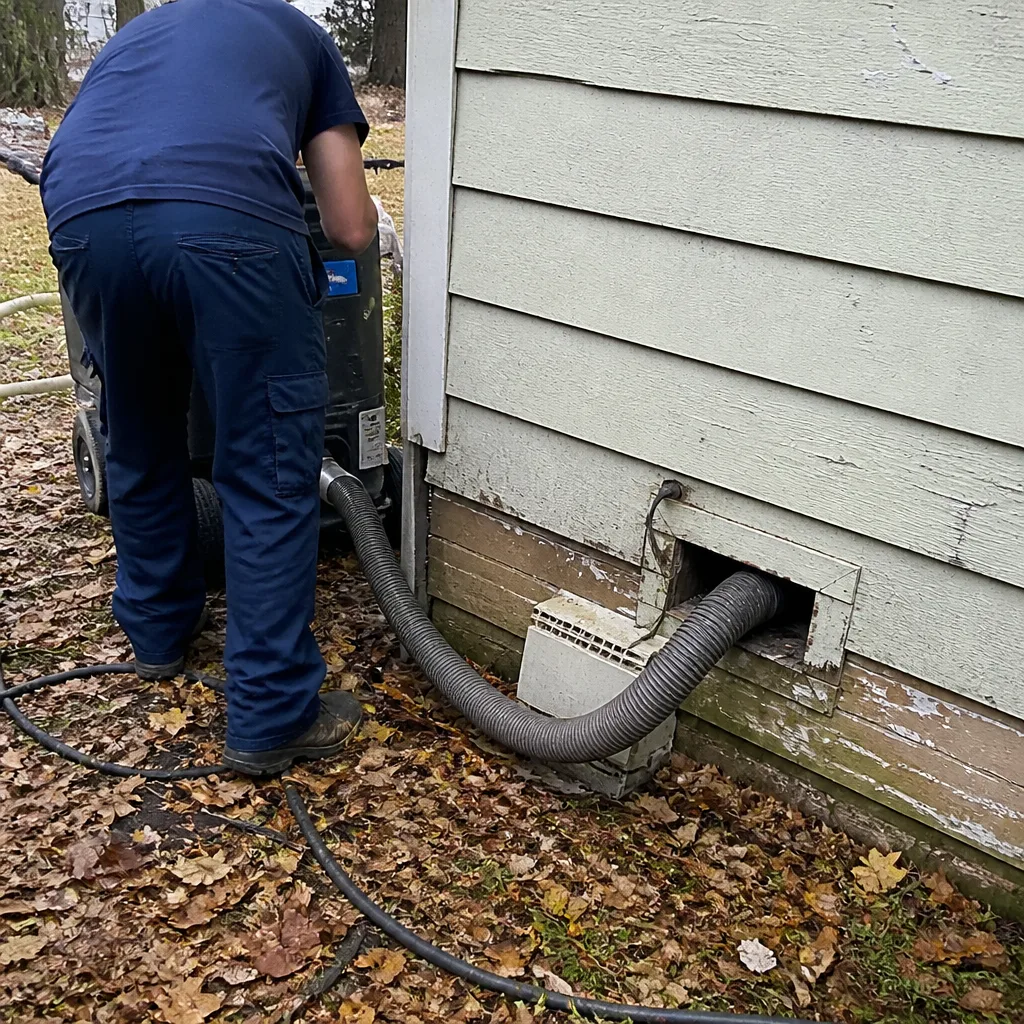 Before
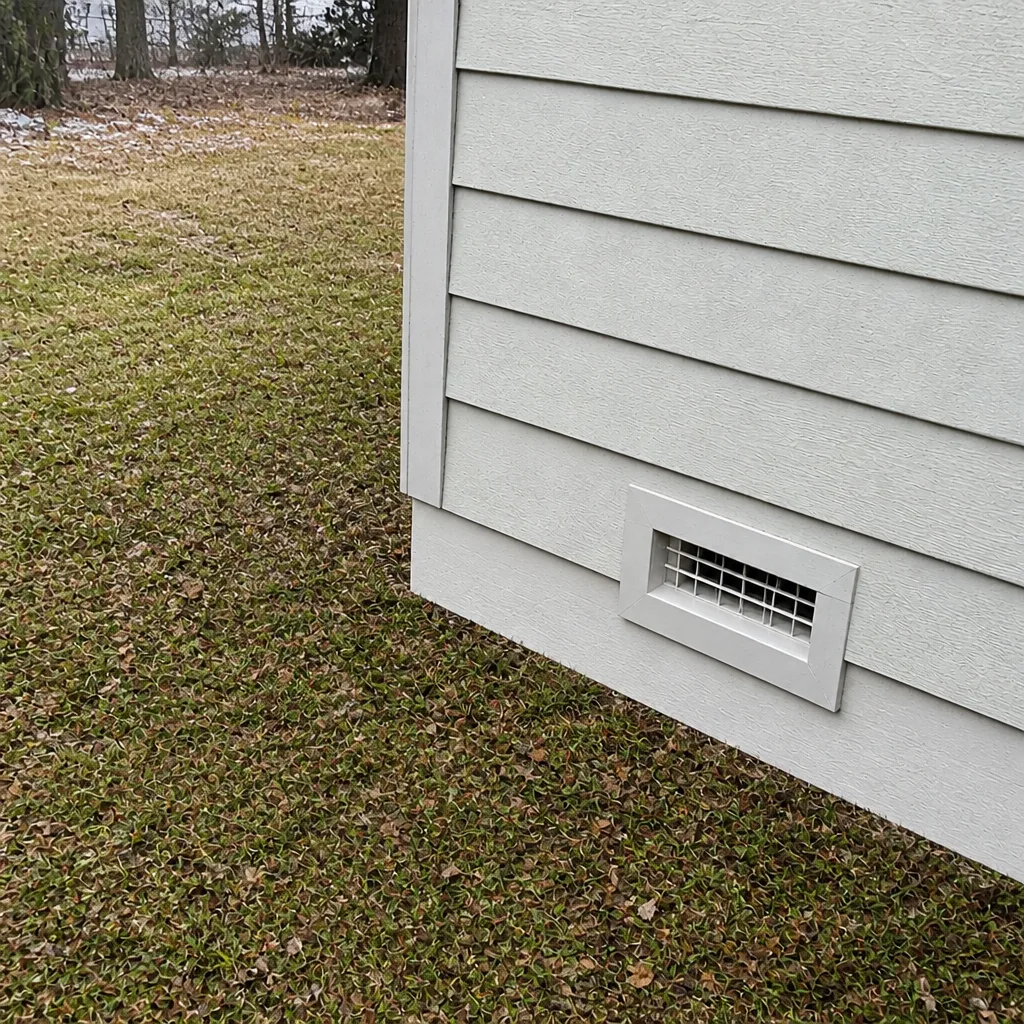 After
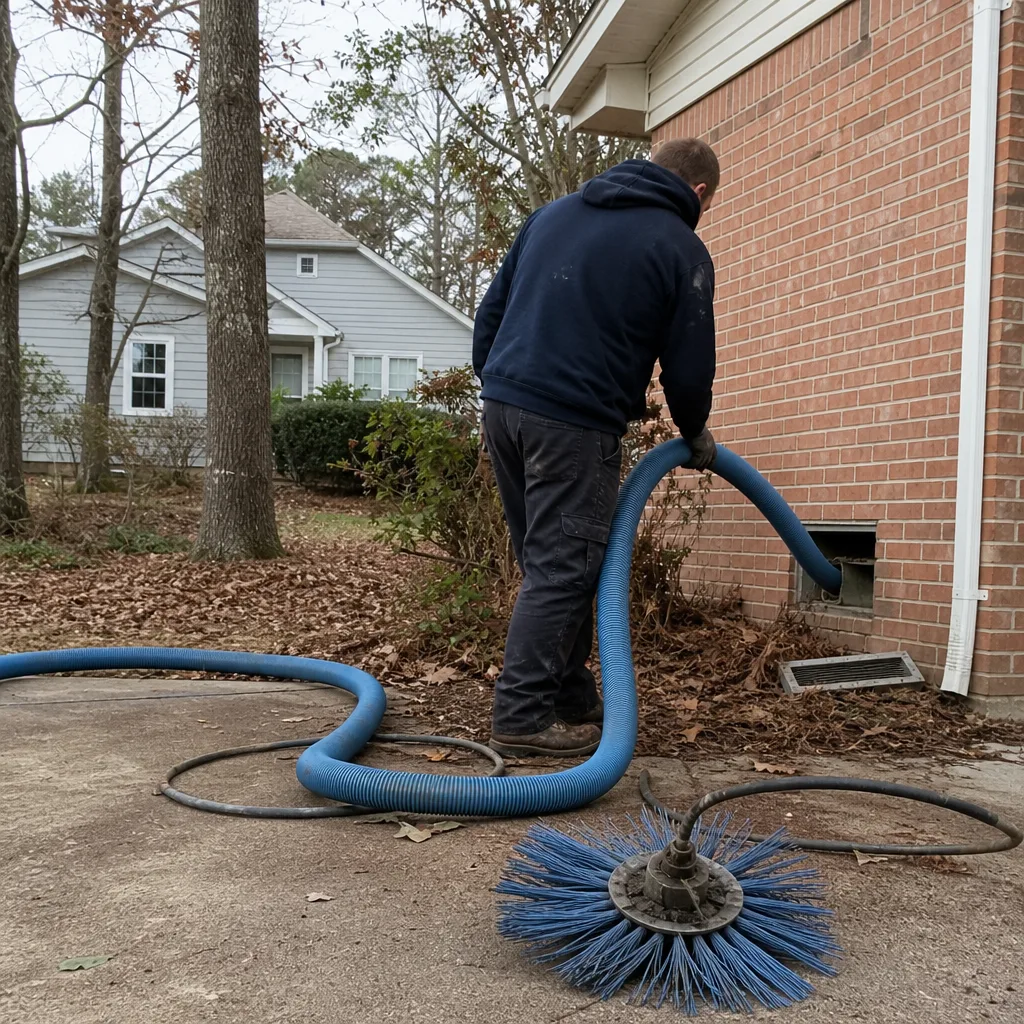 Before
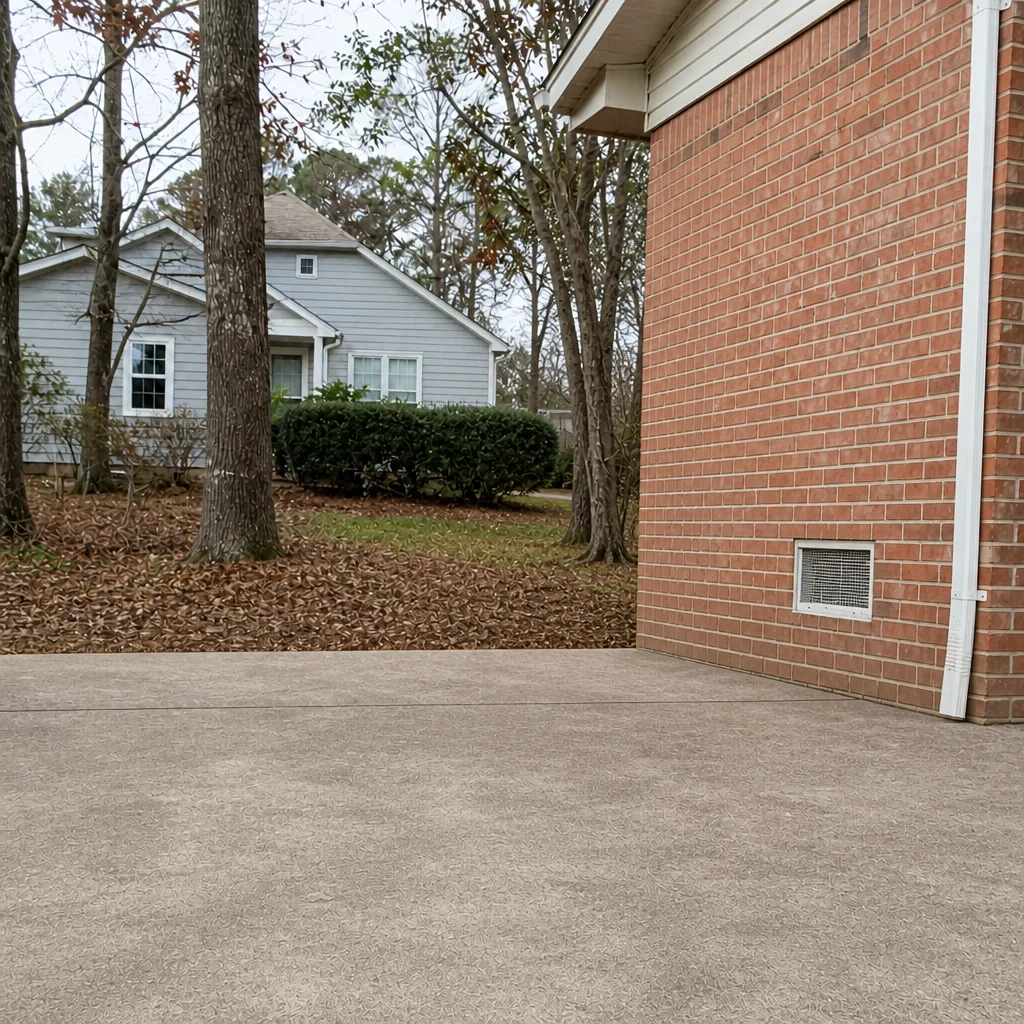 After
 Before
 After
When to Call a Professional
Call a professional if you see torn or loose liner, growth or heavy staining inside a duct, a musty smell that doesn’t clear, matted drywall dust after a renovation, or a crawlspace that’s staying damp. You should also call if your airflow is uneven in a way that persists across two inspections, or if you can’t get a clear answer about what method a cleaner will use. Duct cleaning is a mostly safe service, but the parts you can’t see carry real risks, and a trained technician should be the one who inspects them. Beyond that, if your duct run passes through a damp crawlspace and humidity has come down, contact cleaning is usually the right next step.
Air Duct Cleaning Lake Jeanette offers free estimates in Lake Jeanette – call (877) 792-7174 for a free estimate. We answer 24/7, with fast dispatch from 7am to 7pm, Sunday through Friday. Our technicians have up to 13 years of experience, and we handle cleaning, sealing, repair, sanitizing and dryer vent work as a single service, so you don’t need to call multiple companies. If your insurance or home warranty is involved, we can work with your insurer to make the process easier.
Frequently Asked Questions
There’s no single number. A Lake Jeanette home with pets and a crawlspace return can justify cleaning every eighteen months, while a sealed-slab home with no pets and a well-sealed filter can go several years, sometimes up to six, between cleanings. The right answer is driven by the register inspection and the crawlspace moisture readings, not by the calendar. Call (877) 792-7174 for a free estimate – estimates are free.
A light, even film that wipes away with a cloth is normal and not a cleaning trigger. Actionable buildup is matted, felted, or clumped debris that clings to the duct wall and doesn’t come off with a wipe, or anything soft, fuzzy, or discolored. If you find that at your registers, it’s time to schedule a professional look. Call (877) 792-7174 – the estimate is free.
Yes. Drywall dust is fine and abrasive, and it clings to duct walls rather than settling out, which makes it harder to remove than ordinary household dust. In a Lake Jeanette home with an active remodel, sealing returns during the work and changing the filter the same day it ends are the two most effective precautions. Call (877) 792-7174 for a free estimate if your remodel is already finished.
We treat sustained readings above about 60% RH as a warning condition, and extended periods in the 70s as a call-a-professional condition. Those are the practical thresholds where duct liner and framing stop drying out and start staying damp, and damp liner material is a surface where growth can take hold. Address the moisture first, then clean. Call (877) 792-7174 for a free estimate.
No, not to a professional standard. A shop vacuum can pull dust from a register opening, but it can’t agitate debris that has clung to duct walls, and it doesn’t provide the HEPA-rated containment that prevents fine particulate from returning to the room. Homeowner cleaning also can’t reach or inspect the crawlspace runs or the air handler with any accuracy. Call (877) 792-7174 for a free estimate.
Yes, and it’s arguably the highest-stakes part of the list. A dryer vent that’s blocked by lint forces the dryer to run hotter and longer, and it’s a real fire risk. Most homeowners should have it inspected once a year, and if the vent run is long or has multiple elbows, more often. dryer vent cleaning is part of the same indoor air quality chain, and worth scheduling alongside duct cleaning. Call (877) 792-7174.
The Bottom Line
The most reliable way to maintain a Lake Jeanette duct system is not a cleaning schedule on your calendar. It’s a short, annual routine tied to what you can actually measure: what you see at the registers, what your filter is catching and whether it’s sealed, and what your crawlspace humidity gauge reads. Keep a one-page log. Review it with your seasonal HVAC service. When the log shows matted debris, liner damage, persistent odor, or sustained humidity, that’s the year to call a professional. This checklist is a tool for making that decision with information rather than guesswork.
If you’d like a second set of eyes on your system, Air Duct Cleaning Lake Jeanette can help. Call (877) 792-7174 for a free estimate. We answer 24/7, with fast dispatch from 7am to 7pm, Sunday through Friday.
Written by the team at Air Duct Cleaning Lake Jeanette.