
Last updated November 24, 2026
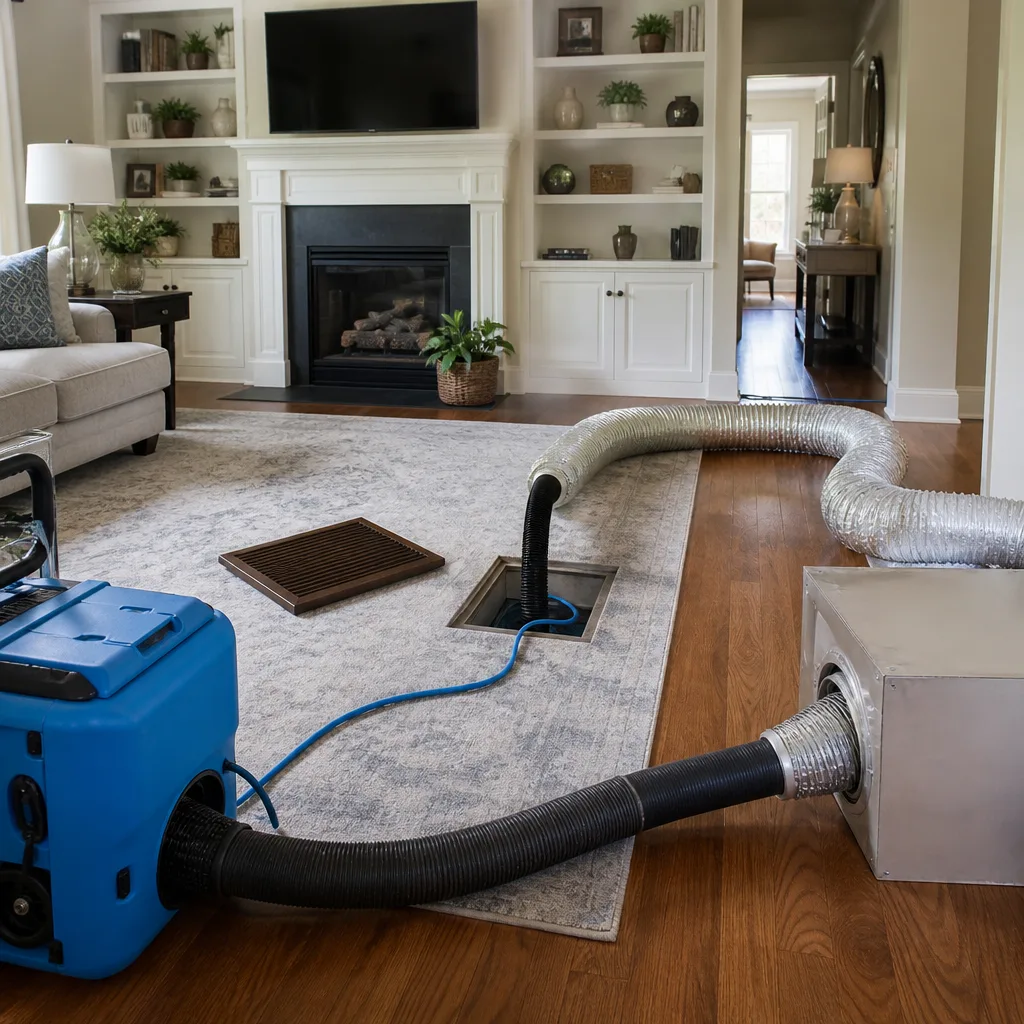 Whole-home duct cleaning
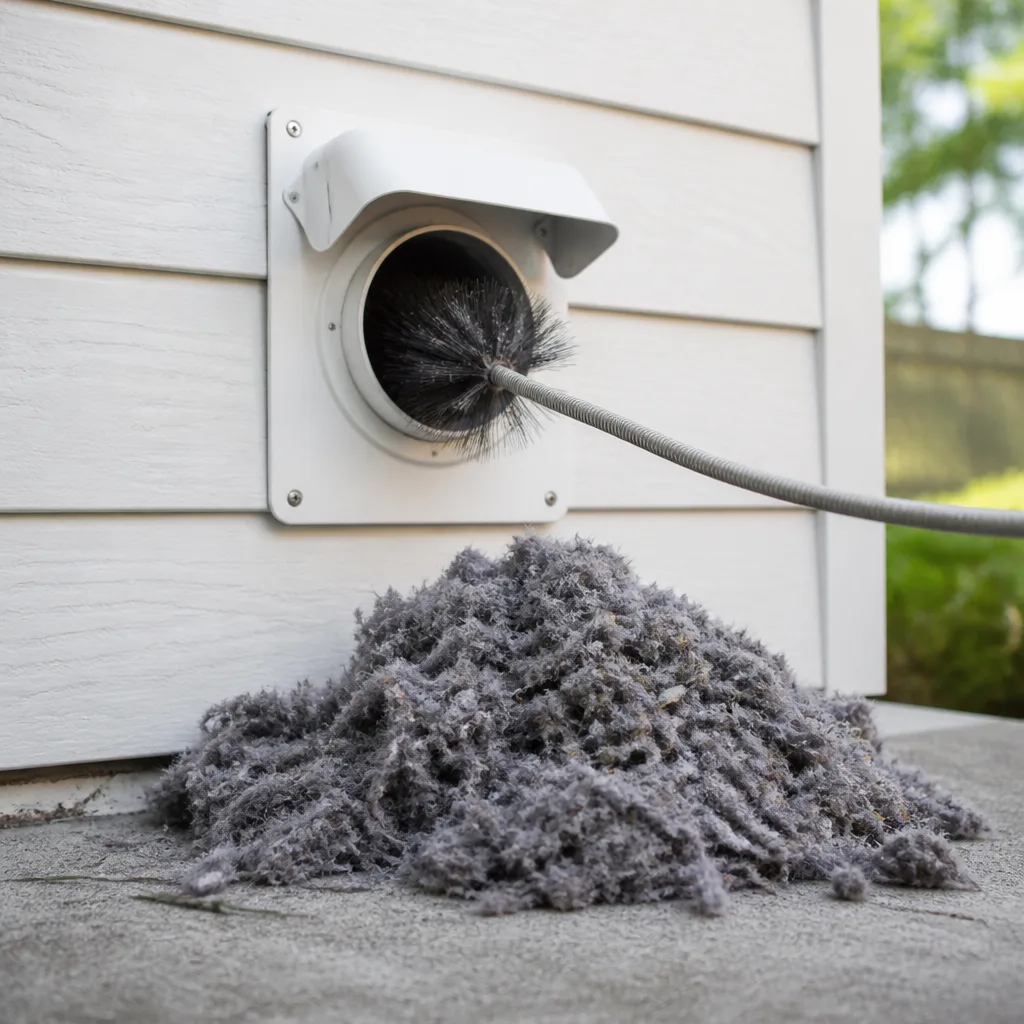 Dryer vent cleaning
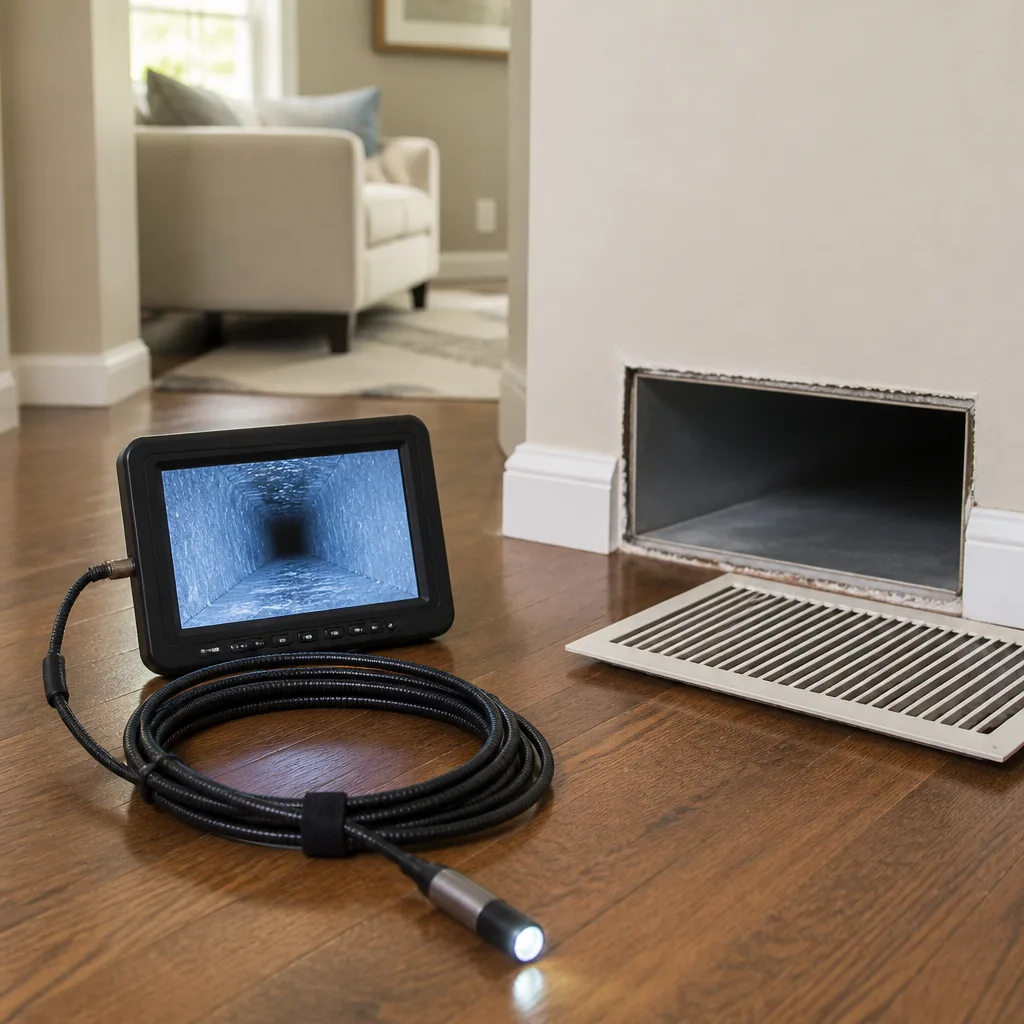 Camera inspection
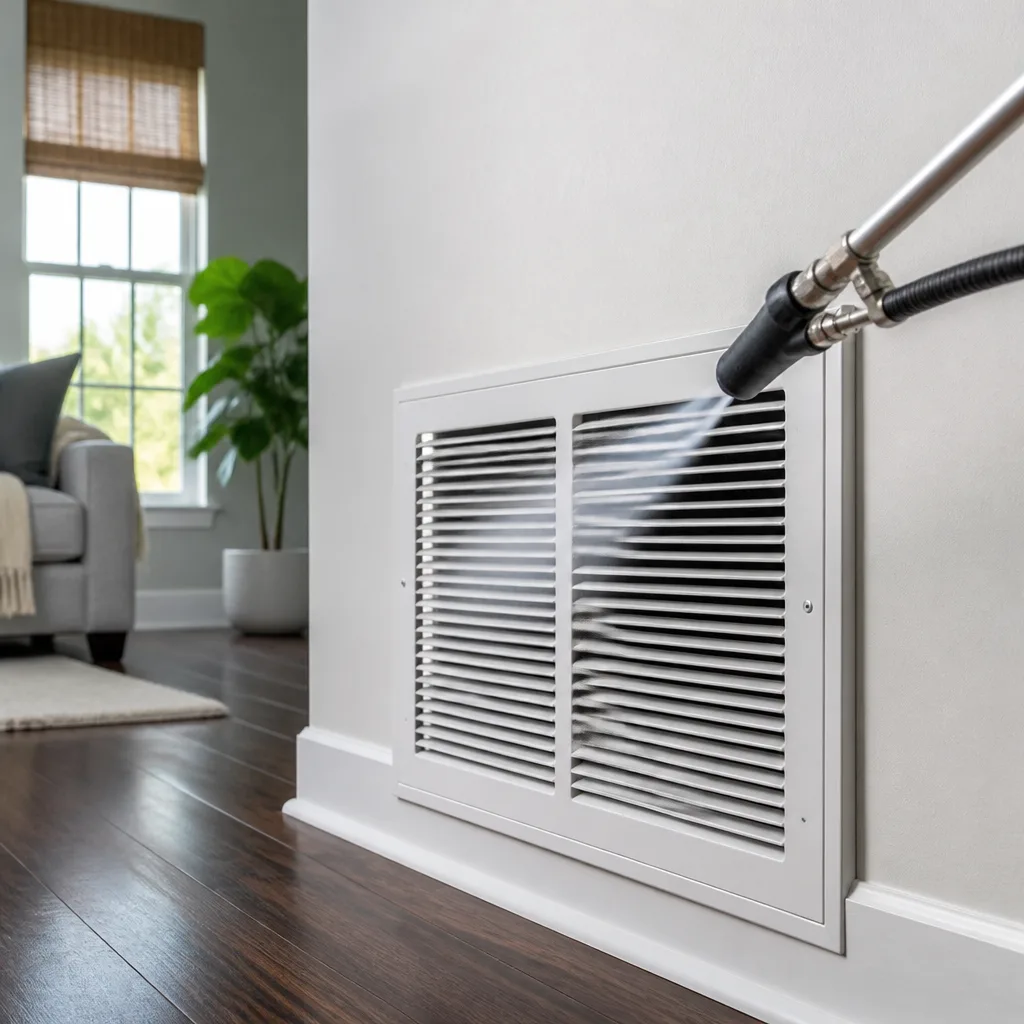 Sanitizing & deodorizing
Whole-system duct and dryer vent check with before-and-after photos - you see exactly what came out of your vents
That "$99 whole-house special" is a bait ad - the real number appears once they are in your hallway, or the "clean" is a shop-vac at the register. We photograph the inside of your ducts before and after instead.
Air Duct Cleaning Emergency Preparedness Guide for Lake Jeanette Homes
Most people picture a duct emergency as a burst of something dramatic. In practice, the damage is quieter and far more common. A duct system that pulls smoke, water, or rodent debris into the airstream keeps distributing it every time the blower runs, and the contamination keeps migrating until someone shuts the system down and treats it as a contamination event rather than a cleaning appointment. The instinct to “run the fan to clear the air” is exactly backwards in several of these situations. This guide covers the three events that genuinely qualify as a duct emergency, the first steps that limit damage, what professional emergency response actually includes, and how to be ready in Lake Jeanette before anything happens at all.
Quick Answer
A duct emergency in Lake Jeanette is any event that introduces water, smoke, chemical residue, or animal waste into the duct system: flooding or water intrusion, confirmed rodent nesting, or a smoke infiltration event. Your first move in every case is to shut the HVAC system off completely, document conditions with photos, and get a professional assessment before the system runs again. Running the system to “clear the air” spreads contamination rather than removing it.
Styles & brands we work with
- Whole-home duct cleaning
- Dryer vent cleaning
- Camera inspection
- Sanitizing & deodorizing
Table of Contents
- What Counts as a Duct Emergency in Lake Jeanette?
- Smoke and Chemical Infiltration: The Case for Shutting the System Off
- Water Intrusion and Flooding in the Duct System
- Rodent Nesting and Animal Contamination
- Documenting a Duct Emergency for Insurance
- What Emergency Professional Response Includes
- Pre-Event Preparedness for Lake Jeanette Homes
- Common Mistakes to Avoid
- When to Call a Professional
- Frequently Asked Questions
What Counts as a Duct Emergency in Lake Jeanette?
Three events meet the bar. Everything else is a scheduled job. The distinction matters because the response window is different in each case, and treating a contamination event like a routine cleaning delay lets the problem set deeper into the system.
Water intrusion. Any standing water, soaked insulation, or visible moisture inside ductwork or at the air handler. Water in a duct system creates conditions for mold growth on interior surfaces within a short window, and the system cannot simply be dried by running air through it.
Confirmed rodent nesting. Droppings, nesting material, chewing damage, or a live animal inside the ductwork. This is a contamination event with genuine health implications, and it is not something a standard cleaning crew handles without proper containment and protective protocols.
Smoke or chemical infiltration. Wildfire smoke, a house fire in the vicinity, a chemical spill, or an extended period of outdoor air contamination drawn into the system while the HVAC was running. Smoke residue carries odor compounds that settle into duct lining and insulation, and the system keeps recirculating them until the interior surfaces are cleaned.
What does not automatically qualify: a dusty house, a system that hasn’t been serviced in a while, or uneven airflow in one room. Those are real problems worth addressing, but they belong on a scheduled basis, not an emergency timeline. If you’re trying to sort out whether your situation is urgent, call and describe what you’re seeing. Every free estimate at Air Duct Cleaning Lake Jeanette starts with that conversation.
Smoke and Chemical Infiltration: The Case for Shutting the System Off
This is the one that catches most homeowners off guard. When outdoor air quality degrades badly, whether from a regional wildfire event or a local fire, the natural instinct is to keep the house sealed up with the HVAC running. That works only if the outdoor air isn’t being drawn in. A system running in cooling mode pulls outdoor air through the return and distributes it through the supply side. The fan doesn’t filter smoke out; it moves it around.
Here’s what to do the moment smoke infiltration is suspected:
- Shut the system off at the thermostat. Not to fan-only, not to a lower setting. Off. This stops the distribution cycle immediately.
- Close windows and doors and seal obvious gaps. Focus on the gaps around exterior doors and any window that doesn’t seat well.
- Do not run the fan to “clear the air.” The system only has the filter you gave it, and a standard filter isn’t rated for smoke particulate. Running the fan recirculates residue through the same ductwork you’re trying to protect.
- Photograph the conditions. Note the time, the visible smoke or haze inside, and the thermostat setting. If you have any air quality readings from a monitor or a public source, save or screenshot them.
- Wait for professional assessment before restarting. Once smoke has passed through the system, the interior surfaces of the ductwork may carry residue. A cleaning that includes contact agitation and HEPA-rated extraction is the way to remove it, not another fan cycle.
We’ve seen a lot of systems in Lake Jeanette where the homeowner did everything right except the first step: shut it off. Our technicians use Rotobrush contact-cleaning equipment, which brushes the duct interior while a simultaneous HEPA-rated vacuum captures the dislodged material. That’s the difference between removing smoke residue and pushing it further into the system. If the event also involves a system that needs a higher filtration standard going forward, Aprilaire and Honeywell filter upgrades can be discussed in the same visit.
For a full picture of what routine air duct cleaning covers versus a contamination event, it helps to know the scope. Smoke infiltration is a contamination response; annual or biennial cleaning is maintenance. Both are worth doing. They’re not the same job.
Water Intrusion and Flooding in the Duct System
Water in a duct system moves the problem from “dirty” to “actively growing.” The moment moisture reaches duct insulation or the interior lining, conditions are right for microbial growth, and the system can’t dry itself out by running. In fact, running the system while wet distributes moisture-laden air through the whole house.
What to do:
- Shut the system off at the thermostat and at the breaker if you can safely reach it. Do not open the air handler cabinet yourself.
- Stop the source. If it’s a plumbing leak, shut the water off. If it’s storm-related flooding, move what you can out of the water and get the water out of the space.
- Document everything. Photograph standing water, the water line on walls, the air handler, and any visible moisture at grilles. Note the date and time the water was discovered.
- Do not run the system to “dry it out.” This is the most common mistake. Moving air across wet duct surfaces doesn’t dry them; it spreads spores.
- Call for an assessment before any drying or remediation work begins.
Crawlspace and basement flooding in Lake Jeanette is a real seasonal concern. The combination of summer humidity and occasional heavy rain events means a crawlspace can hold moisture for days after the water itself is gone. If the air handler or duct runs pass through a crawlspace, any moisture event there deserves a duct inspection. We use Abatement Technologies containment equipment for situations where the contamination may extend beyond the ducts, and that matters when the job needs remediation-level control rather than a standard cleaning.
For situations where the HVAC equipment itself is involved, HVAC cleaning is a separate and often necessary step from cleaning the ductwork alone. Water that reached the air handler means the coil and cabinet need attention too.
Rodent Nesting and Animal Contamination
Rodent activity in ducts is the emergency most people underestimate. Droppings, nesting material, and urine carry genuine contamination, and a system that keeps running distributes particles from all three throughout the house. The smell is often the first clue. Scratching or movement sounds at the grille are the second.
Here’s the sequence:
- Shut the system off. Do not run the fan to try to flush anything out.
- Do not try to remove the animal yourself. This is a job for a professional with proper protective equipment. Rodent contamination carries real risk, and the duct interior is not a place to reach into.
- Identify entry points. Check exterior vents, the connection between the air handler and the return, and any gap in the duct runs. Note what you find for the assessment.
- Document with photos, not by disturbing the scene. Photograph grilles, visible droppings at registers, and any chewed duct material. If you see damage to insulation, photograph it before anyone touches it.
- Plan for cleaning, sanitizing, and sealing in sequence. Cleaning removes the material. Sanitizing addresses what’s left on the surfaces. Sealing the duct system closes the entry points so the problem doesn’t recur. A cleaning alone often isn’t enough.
We use Guardsman-grade protective products in the sanitizing phase, and our Air Duct Cleaning Lake Jeanette service covers the full chain from cleaning through sealing. That matters with rodent work, because the entry point is the real story. If the gap isn’t sealed, the problem returns regardless of how well the ducts were cleaned.
Documenting a Duct Emergency for Insurance
Insurance claims for duct contamination are document-heavy. Adjusters need evidence of the event, the conditions it created, and a written scope of what was involved. A few minutes of careful recording at the start saves days of back-and-forth later.
What to capture before anything is cleaned or moved:
- Wide shots and close shots of every affected area. The water line, the visible smoke residue, the rodent droppings, the damaged insulation. Get the room in the frame and then get close. Adjusters want context and detail.
- Air quality readings if you have them. A screenshot from a home monitor or a public source reading is better than nothing. Note the date and time it was captured.
- Your thermostat settings and system status at the moment of discovery. A note that the system was off (or had been running) matters for the claim.
- Any contractor assessments in writing. A written scope from the cleaning or remediation company carries weight.
- Receipts for anything you replaced or removed. Filters, damaged insulation, affected items.
- A timeline. When did you first notice the issue? When did you shut the system off? When did you call? A simple written log keeps the sequence clear.
Two more things worth knowing. First, photograph before you clean anything, even a small area. Once it’s gone, the evidence is gone. Second, if the event involves mold or suspected mold growth, a professional assessment is worth more than a cleaning receipt. Adjusters treat the two differently.
We can work with your insurer on claims documentation. We don’t bill insurance directly, but we can provide the written scope and photo documentation that claim departments typically request.
What Emergency Professional Response Includes
This is where emergency response diverges sharply from a standard cleaning. The scope is broader, the setup is different, and the verification at the end matters as much as the cleaning itself.
Containment setup. Professional emergency response begins with containment: negative pressure where appropriate, sealing off the affected area, protecting unaffected parts of the home. Abatement Technologies containment equipment is the standard for this, and it’s what separates remediation-level work from a routine cleaning. If the event involves smoke, mold-adjacent conditions, or post-construction dust, containment is not optional.
Industrial hygienist assessment thresholds. For certain claims and certain types of contamination, an industrial hygienist (IH) assessment is the standard the trade works to. IH assessments are typical when suspected mold growth is present, when the contamination is extensive, or when an insurance claim is likely to be disputed. The IH establishes what’s in the system, the extent, and what a satisfactory outcome looks like. The cleaning plan is built from that assessment.
Contact cleaning with HEPA extraction. Rotobrush brushes agitate the duct walls while Nikro HEPA-rated vacuum systems capture the dislodged material. This is the brush-and-extract method, and it’s fundamentally different from blowing air through the system. The brushes physically contact the duct interior. The HEPA capture keeps the dislodged material from migrating.
Post-remediation verification testing. After the work is done, verification testing confirms the outcome. This is where the claim gets closed and the homeowner gets documentation of what was completed. For a serious contamination event, verification is the difference between “we cleaned it” and “here’s documentation that it was cleaned to a defined standard.”
Air quality upgrades if needed. After the emergency is addressed, the conversation often turns to how to prevent or limit the next one. Aprilaire and Honeywell filtration and humidity products are the usual next step, and they can be integrated in the same service relationship rather than starting over with another contractor.
If dryer vent safety is part of the same concern, dryer vent cleaning is the other emergency-relevant service. A clogged dryer vent is a fire risk on a different timeline than duct contamination, and it’s worth addressing on the same preventive visit.
Pre-Event Preparedness for Lake Jeanette Homes
Most duct emergencies are survivable with the right preparation. Nothing on this list requires special skills. It requires a half hour and a little organization before anything happens.
Keep spare high-MERV filters on hand. Know your filter size, write it inside the air handler door, and keep one or two spares. In a smoke event, you’ll want to swap to the highest MERV rating your system is rated for, and having it ready means no scramble during the event itself.
Mark the system shutoff. Every homeowner should know exactly where the thermostat is (obvious) and where the breaker for the HVAC system is (often not obvious). Put a label on the breaker. Show everyone in the house.
Save the contractor contact. The number to have is (877) 792-7174. Save it under a name that’s obvious in a hurry. We answer 24/7, and fast dispatch runs from 7am to 7pm, Sunday through Friday.
Know your duct layout. Walk the house and locate every supply and return register. Note which rooms share a run. If you ever have a localized event (a water leak near one register, rodent activity at one grille), knowing the layout helps the assessment move faster.
Keep a basic documentation kit. A phone with a camera, a notebook, and a pen. That’s the whole kit. What matters is using it in the first ten minutes of an event, before anything gets cleaned or moved.
Get a baseline assessment. If your ducts haven’t been inspected in a long while, a scheduled inspection establishes a baseline. It’s easier to document what changed if you know what the system looked like before the event.
See the difference
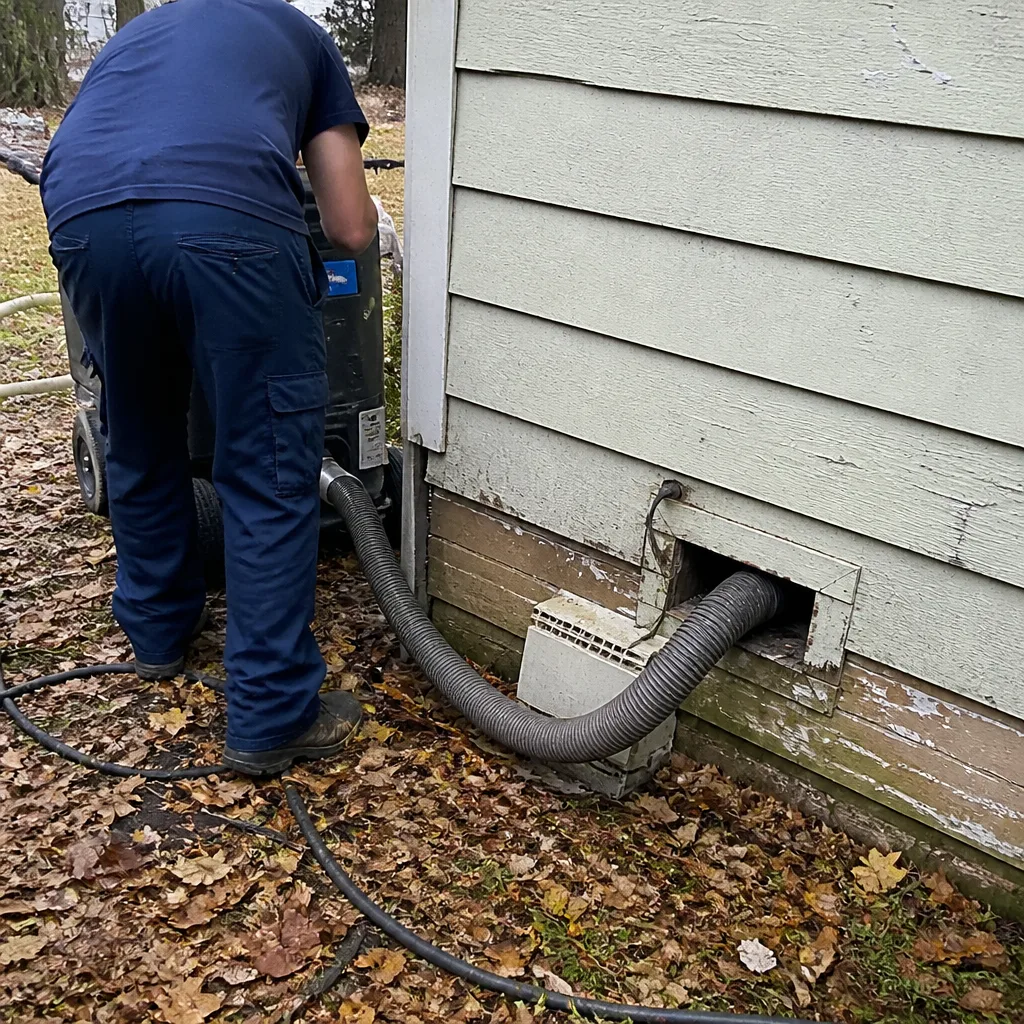 Before
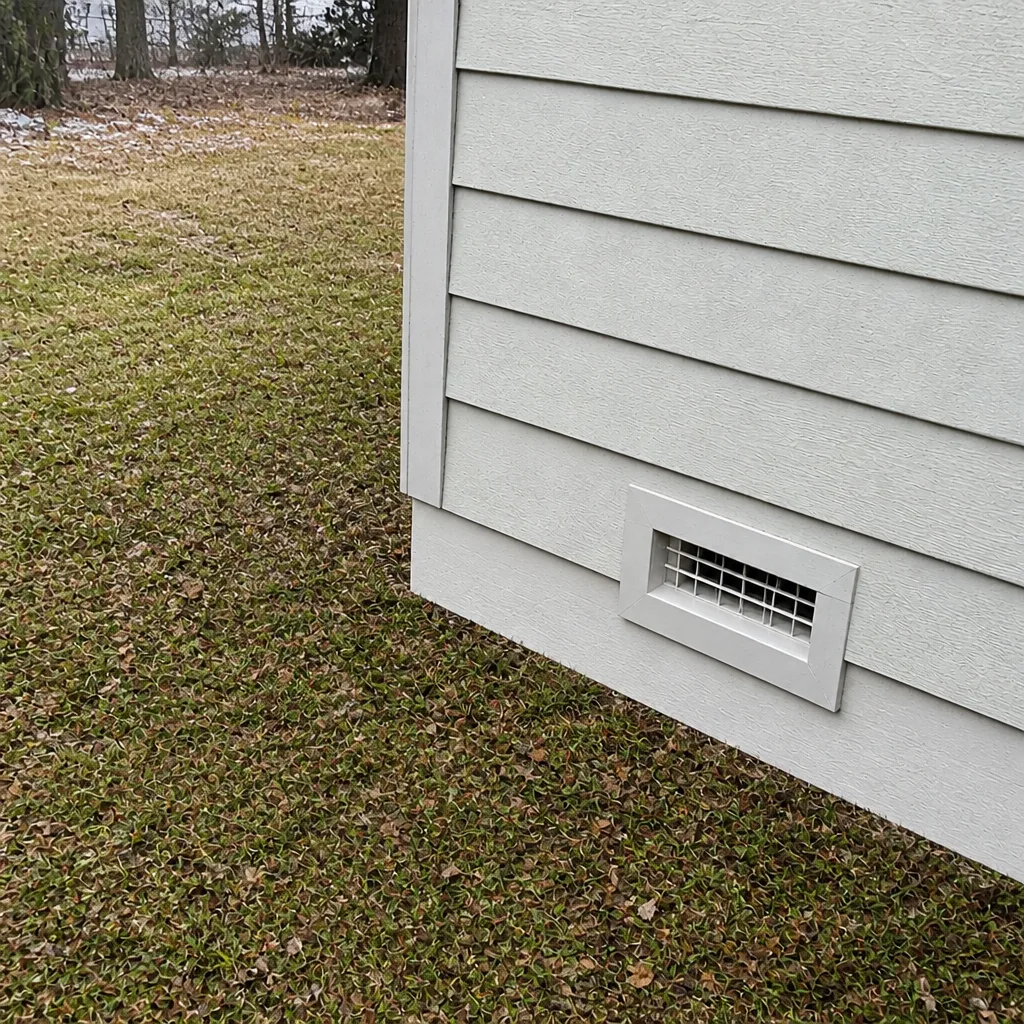 After
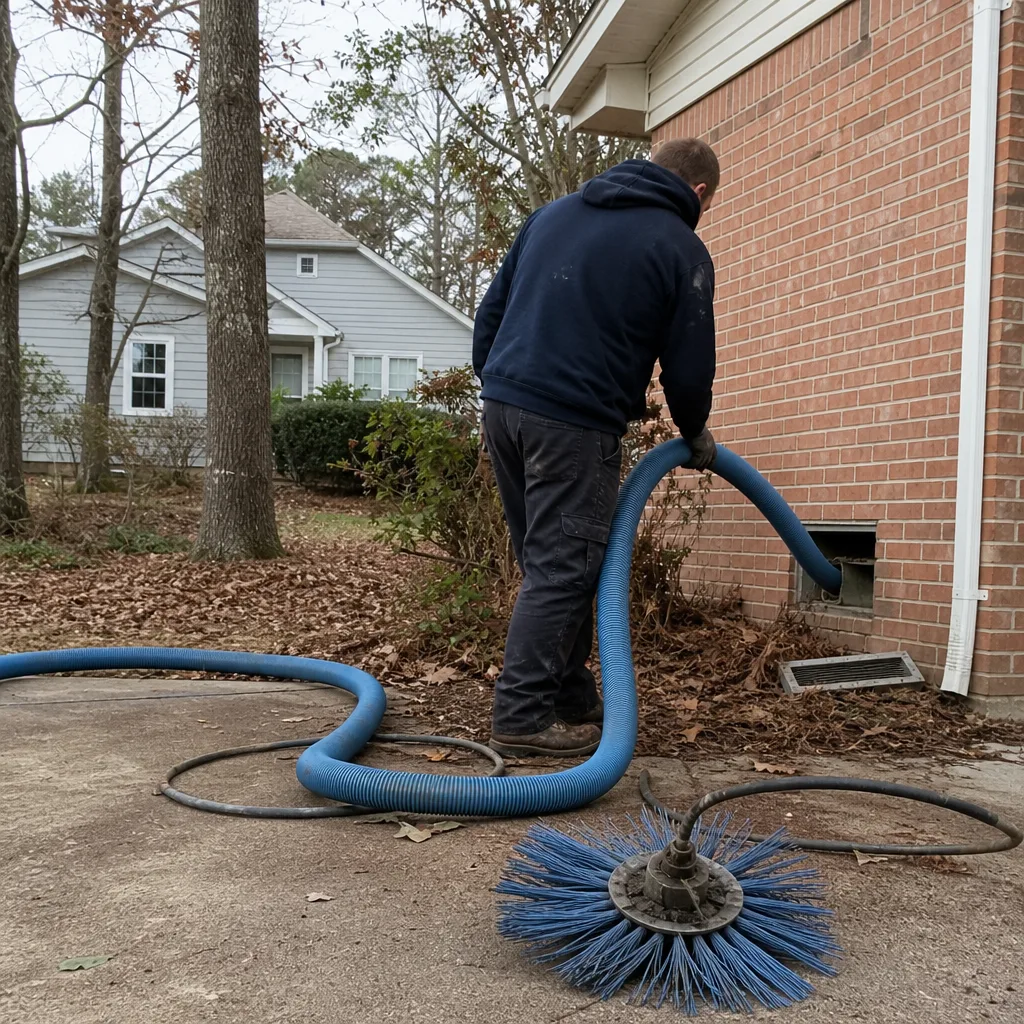 Before
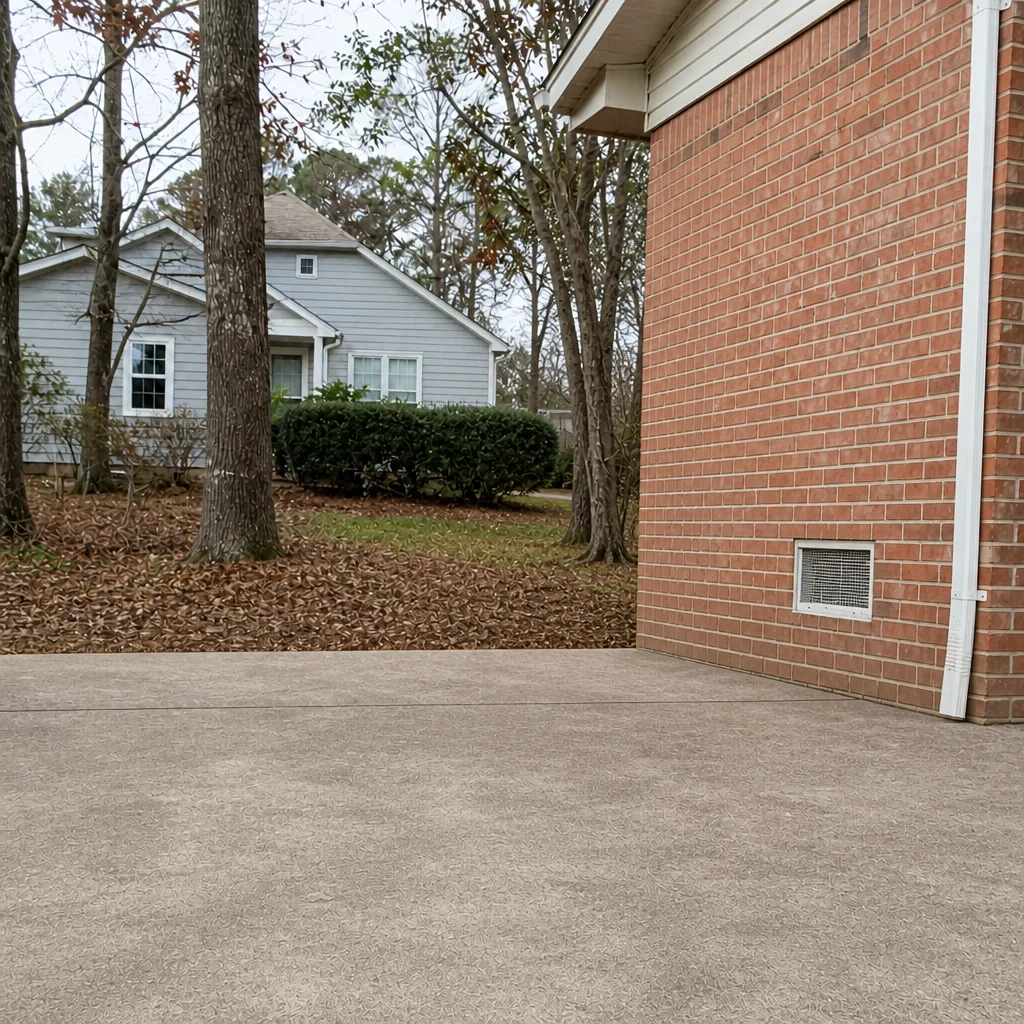 After
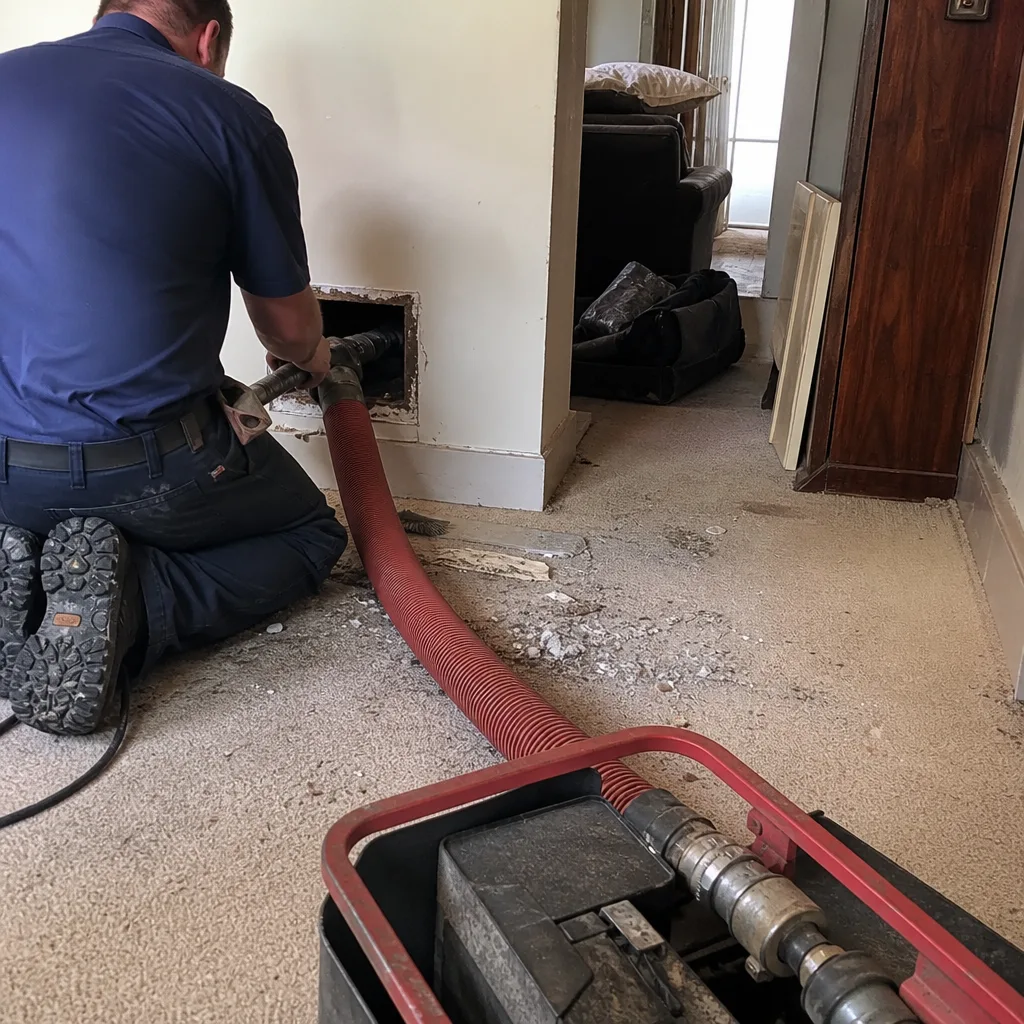 Before
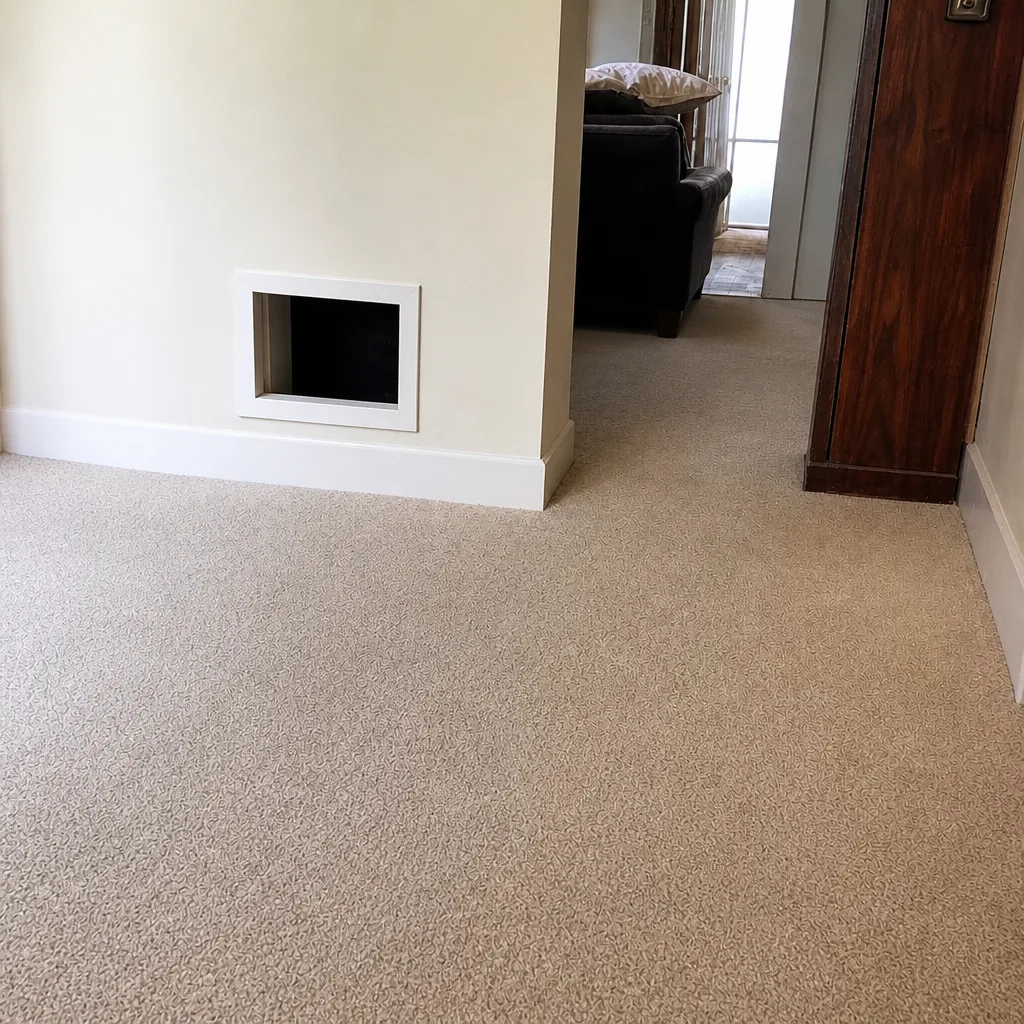 After
Common Mistakes to Avoid
- Running the system to “clear the air” after a smoke event. The system doesn’t remove smoke; it distributes it. Shut the system off first. Every other step comes after.
- Running the system while duct surfaces are wet. This spreads moisture and anything growing in it through the whole house. Wet ducts need to be addressed as a contamination event, not dried by running air.
- Cleaning before documenting. Insurance claims get complicated fast when the evidence has already been cleaned away. Photograph before anyone touches anything.
- Treating a rodent problem as a cleaning-only job. Cleaning removes the material, but if the entry points aren’t sealed, the problem comes back. Cleaning, sanitizing, and sealing happen in sequence for a reason.
- Relying on a standard filter to handle smoke particulate. The filter that came with the system isn’t rated for smoke. If a smoke event is underway, the filter needs to be swapped to the highest MERV rating the system is rated for, and the system still shouldn’t run.
- Skipping post-remediation verification on a serious event. Without verification testing, you don’t have documentation of the outcome. That’s the difference when a claim gets reviewed.
- Not knowing where the HVAC breaker is. In a water event, reaching for the breaker in the first minute is the right move. Not knowing where it is costs time you don’t have.
When to Call a Professional
Call for a professional assessment when any of the following is true: water has reached the ductwork or air handler; you’ve confirmed or strongly suspected rodent activity inside the ducts; smoke from an outdoor event has been drawn into the system while it was running; a chemical spill or fire in the vicinity has affected the system; you’re headed into an insurance claim on the ducts. Call immediately if the system is still running and cannot be shut off safely, or if there’s a live animal inside the ductwork. A scheduled cleaning is a different call, and that can wait for a normal appointment. An assessment for a contamination event should not wait.
Air Duct Cleaning Lake Jeanette offers free estimates in Lake Jeanette. Call (877) 792-7174. We answer 24/7. Fast dispatch from 7am to 7pm, Sunday through Friday.
Frequently Asked Questions
The estimate is free, and the price for any work is set per job by a written estimate before anything starts. We give a flat price per system, not a per-vent rate, so the number you’re quoted is the number on the invoice. There’s no charge for the assessment visit and no bait-and-switch pricing. Call (877) 792-7174 for an exact quote – estimates are free.
In most cases, yes, with contact cleaning and HEPA extraction rather than air-blowing. The Rotobrush method brushes the duct interior while the Nikro HEPA vacuum captures what’s dislodged, and the process can be repeated where residue is stubborn. Post-remediation verification testing is the way to confirm the outcome. Whether a specific system can be fully cleaned depends on the extent of the infiltration and the duct materials, which a professional assessment establishes.
No. Running the system after a smoke event distributes the smoke residue through the ductwork and into every room rather than removing it. Shut the system off at the thermostat, keep windows and doors closed, and wait for a professional assessment before the system runs again. Call (877) 792-7174 for a free estimate – we answer 24/7.
An emergency involves water intrusion, confirmed rodent activity, or smoke or chemical infiltration. A dusty house, uneven airflow, or a system that hasn’t been cleaned in a while belongs on a scheduled basis. When in doubt, describe the conditions on the phone. We’ll tell you honestly whether it needs an emergency response or a normal appointment.
Coverage depends on the cause of the event and your specific policy. Water intrusion and smoke events are more often covered than long-term maintenance issues. The documentation you gather in the first minutes of an event – photos, timestamps, thermostat status – is what makes a claim easier to process. We can work with your insurer and provide the written scope and photo documentation most claim departments request.
For most homes, every two to three years is a reasonable schedule, and more often in homes with pets, allergies, or recent renovations. A contamination event resets the clock entirely: once you’ve had water, smoke, or rodent intrusion cleaned and verified, the maintenance interval restarts from that date. A free estimate will tell you where you currently stand.
Spare high-MERV filters rated for your system, the location of the HVAC breaker marked and known, the contractor contact saved to your phone, and a phone or camera ready for documentation. That’s the whole list, and it takes minutes to assemble. Call (877) 792-7174 for an exact quote – estimates are free.
The Bottom Line
Duct emergencies are defined by contamination, not by drama. Water, smoke, and rodent intrusion are the three events that warrant priority response, and every one of them starts with the same first step: shut the system off. Running the system to “clear the air” makes every one of those situations worse, and the documentation you gather in the first ten minutes is what protects your insurance claim and your ability to verify the work was done correctly. The rest is preparation – spare filters, a marked breaker, a saved number – and knowing when to call. If you’re facing any of the situations in this guide, or you’d like a baseline assessment before one finds you, Air Duct Cleaning Lake Jeanette offers free estimates. Call (877) 792-7174. We answer 24/7. Fast dispatch from 7am to 7pm, Sunday through Friday.
Written by the team at Air Duct Cleaning Lake Jeanette.