
Last updated November 24, 2026
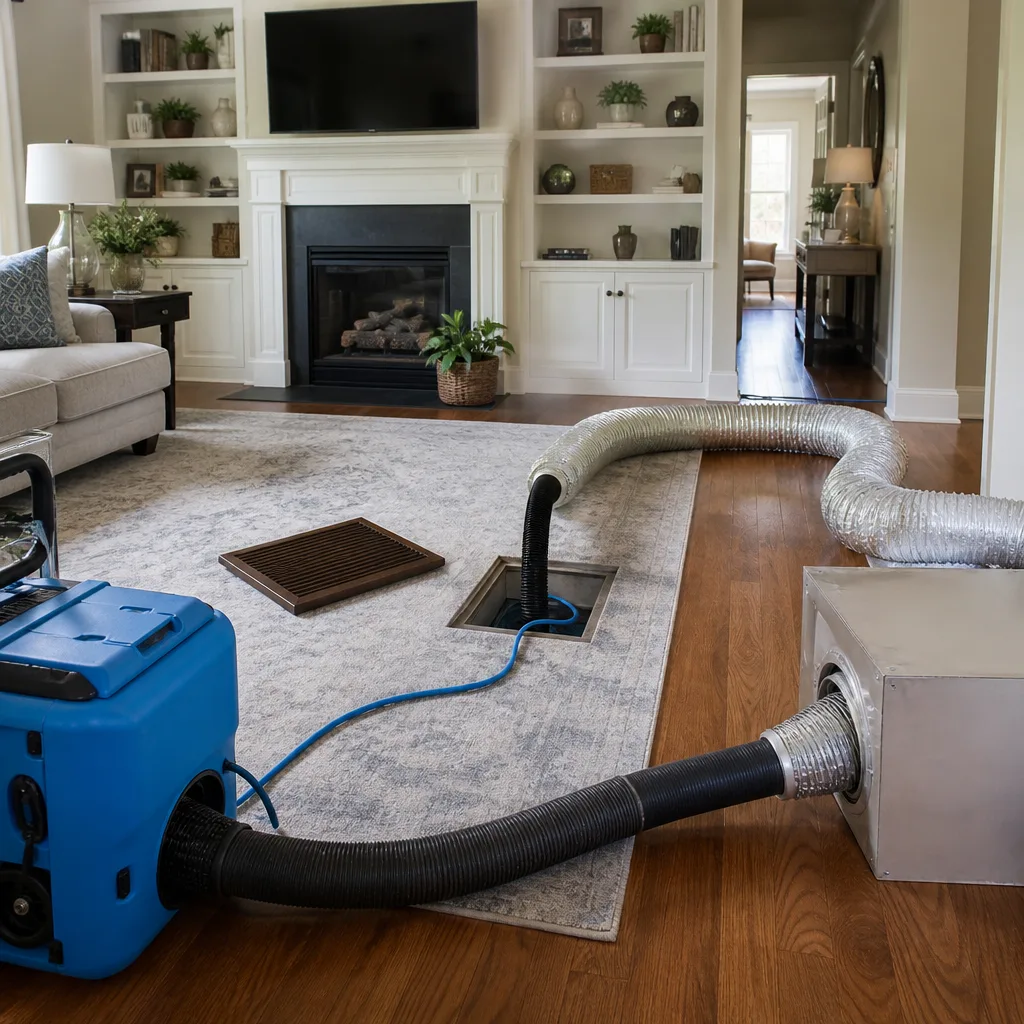 Whole-home duct cleaning
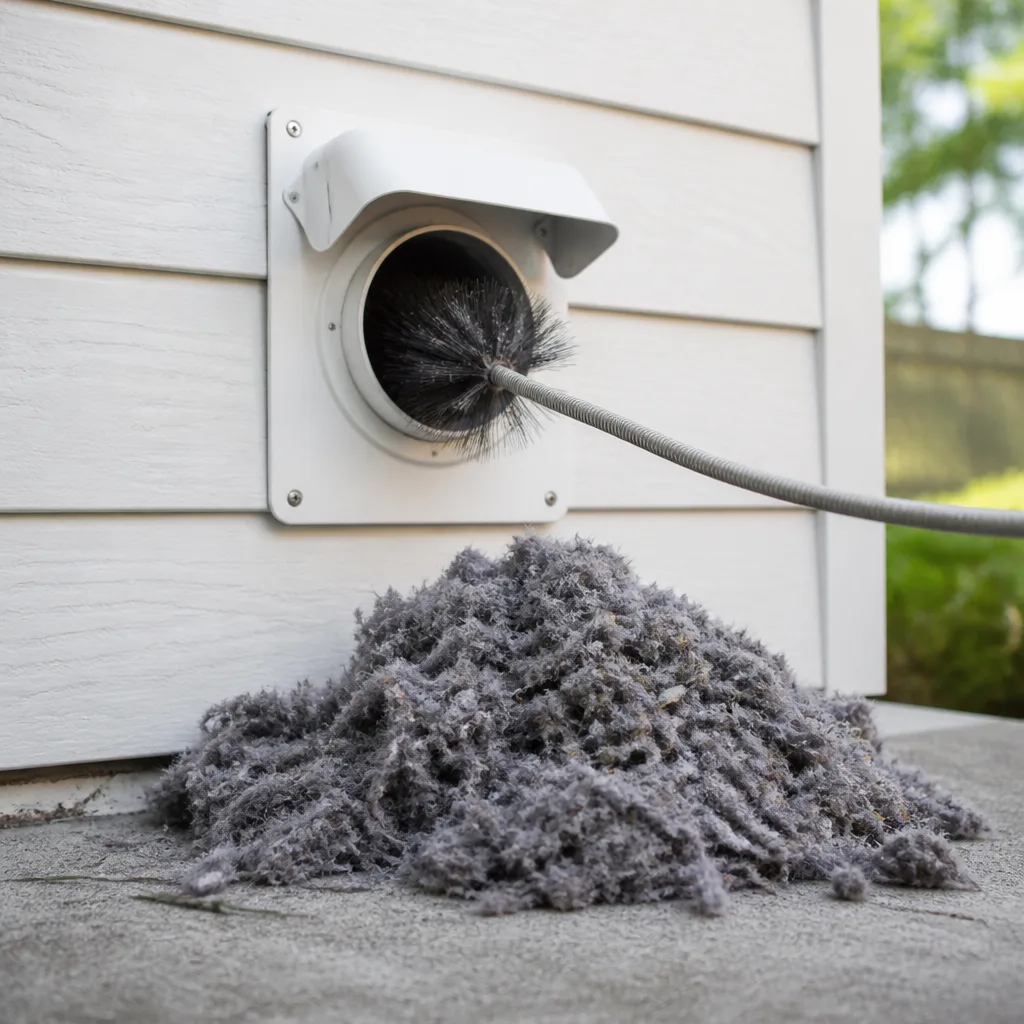 Dryer vent cleaning
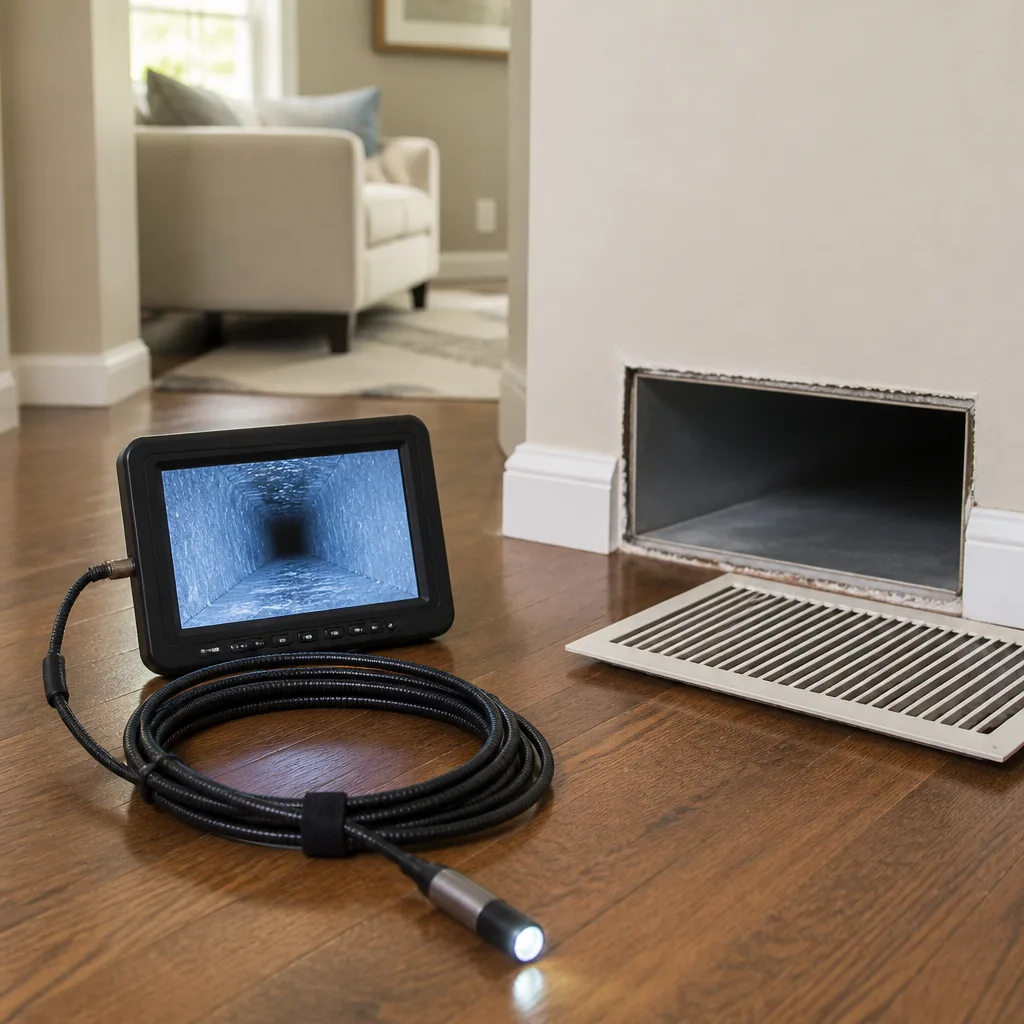 Camera inspection
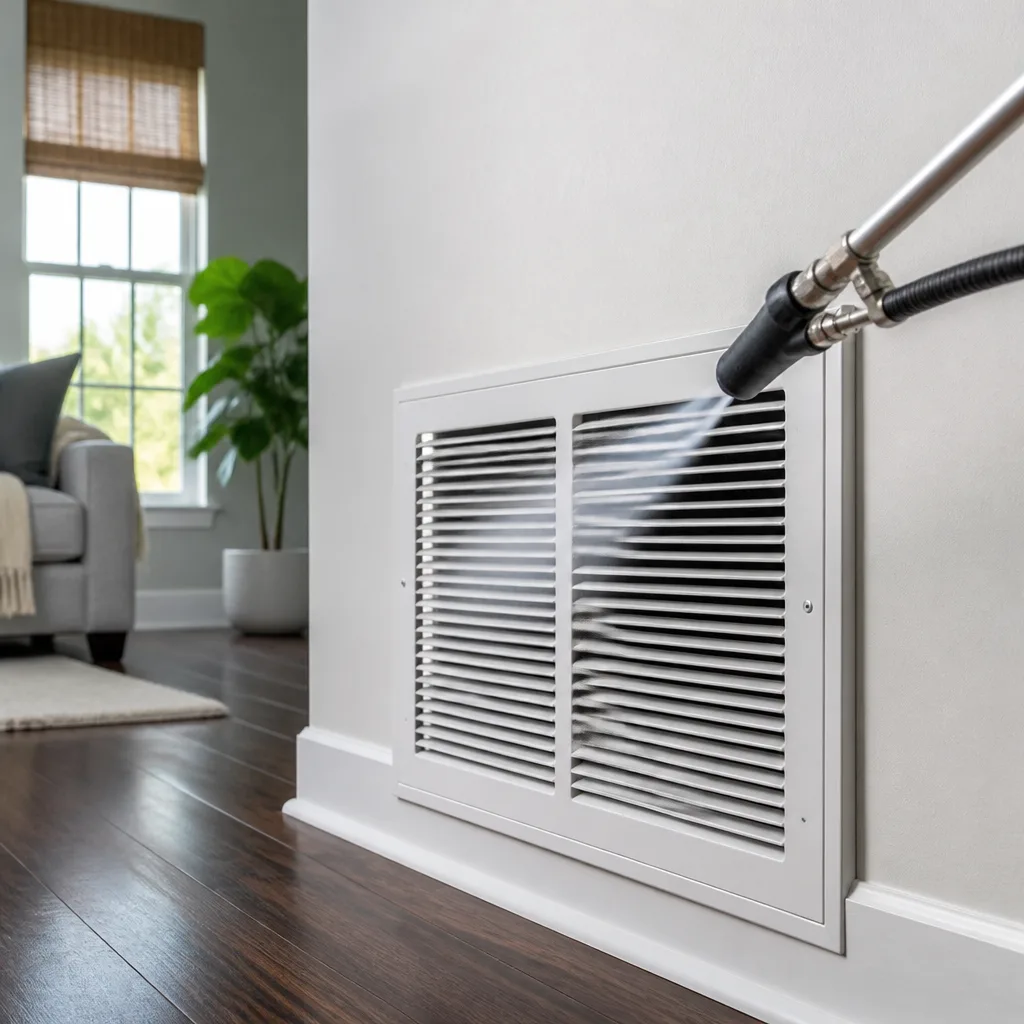 Sanitizing & deodorizing
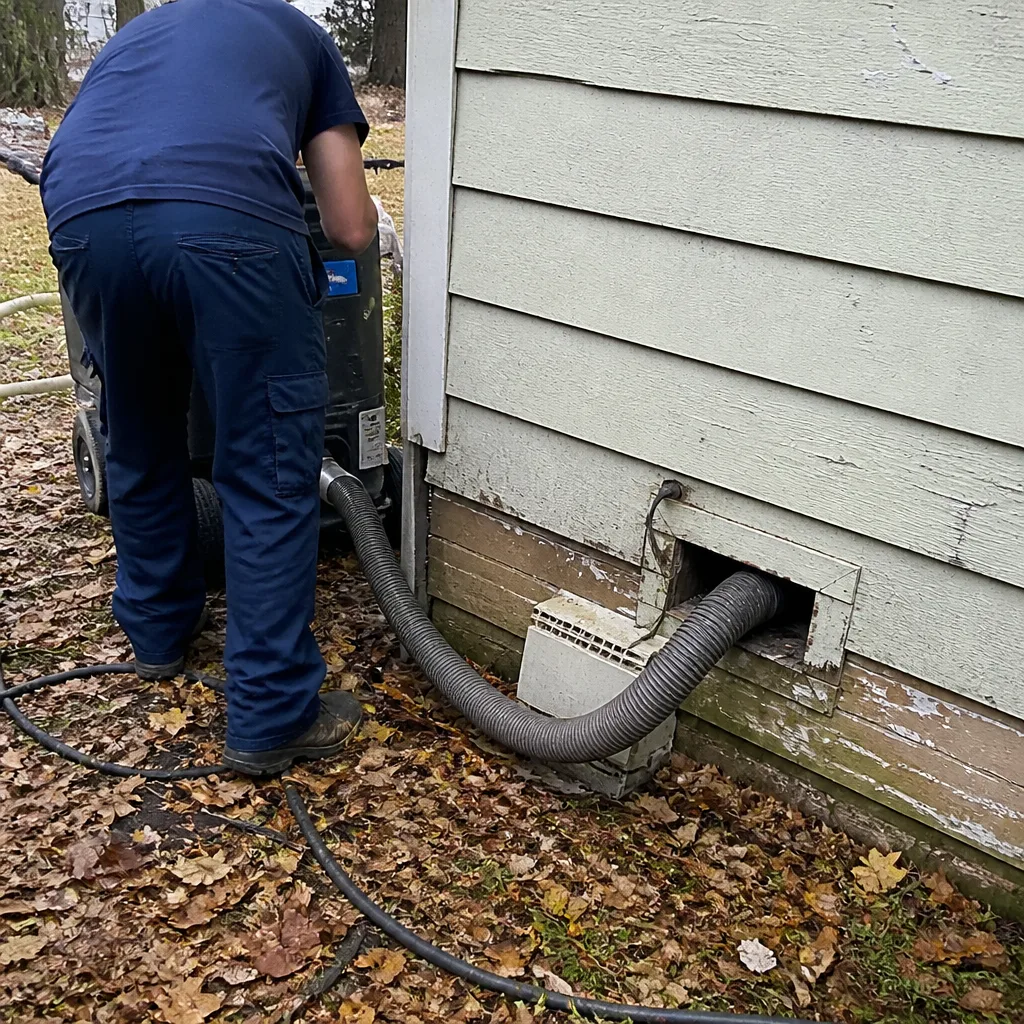
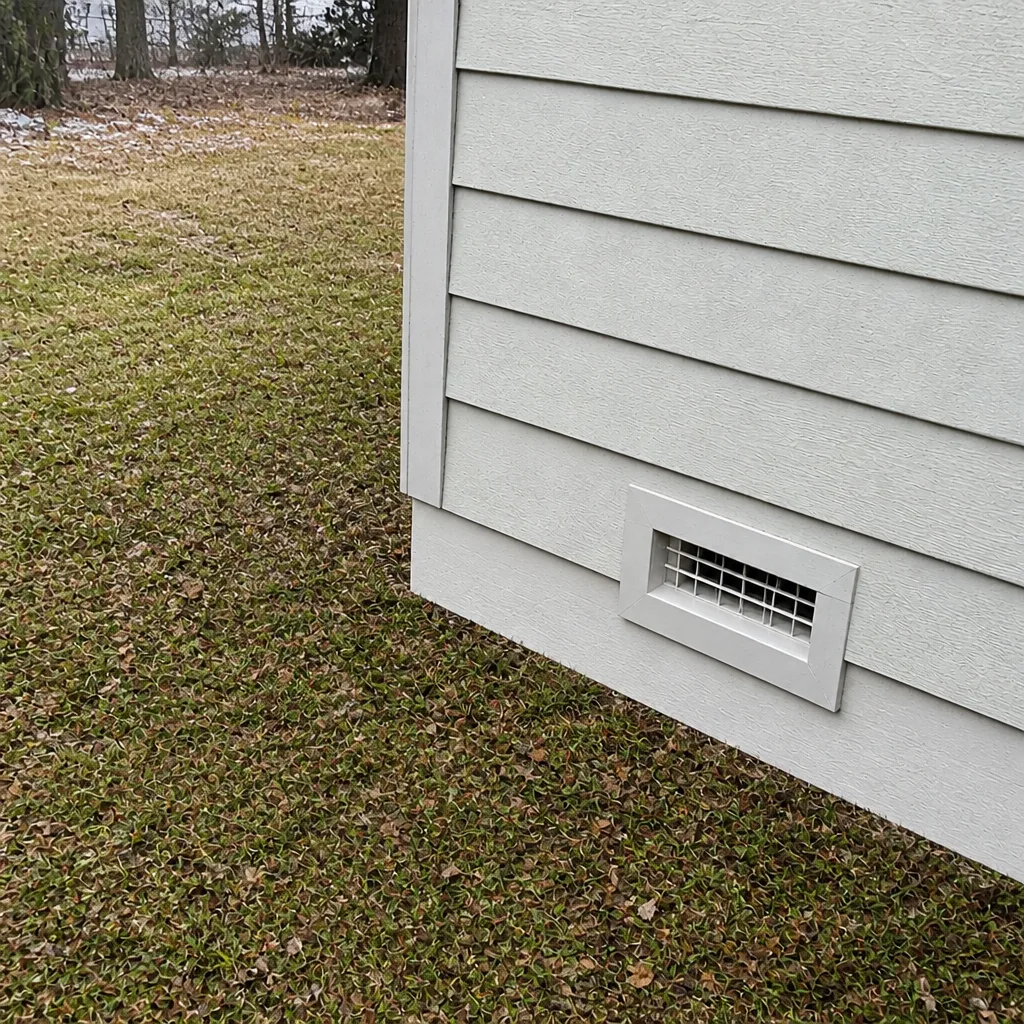
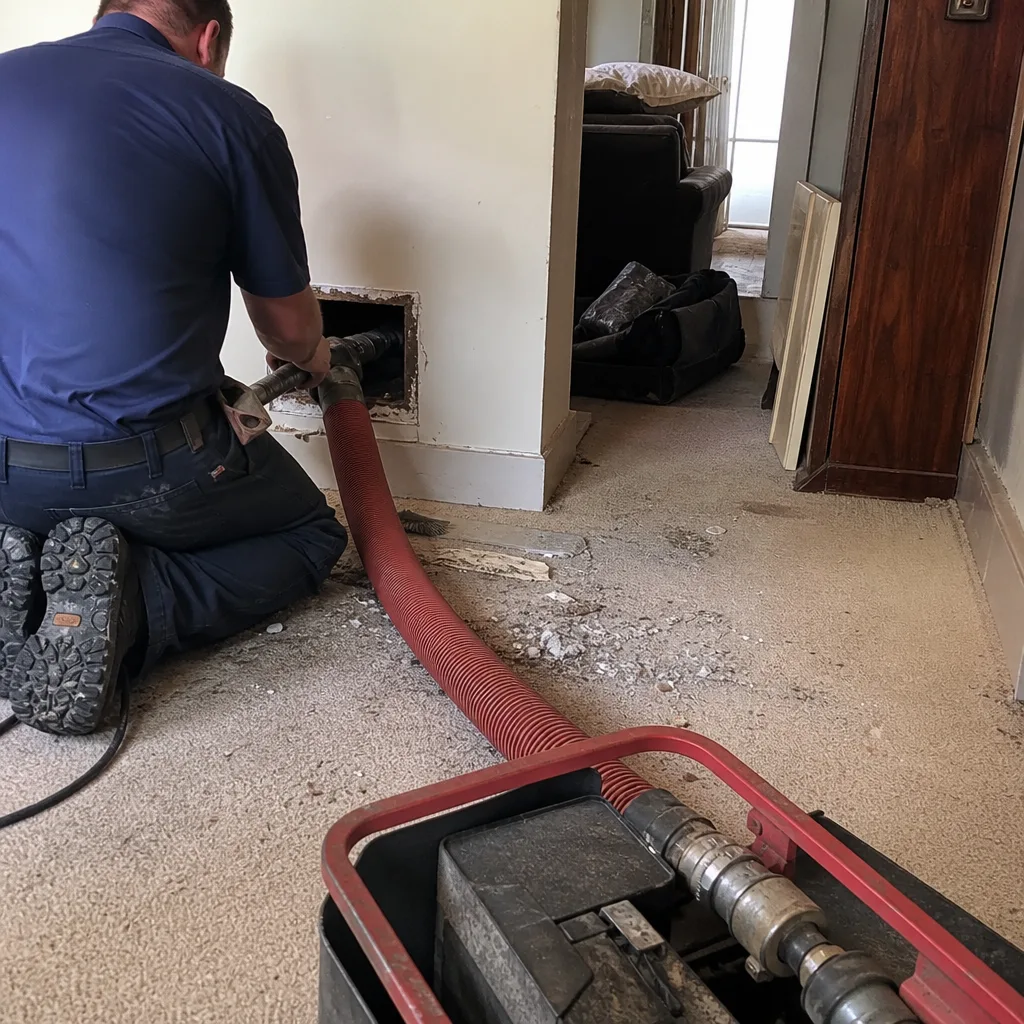
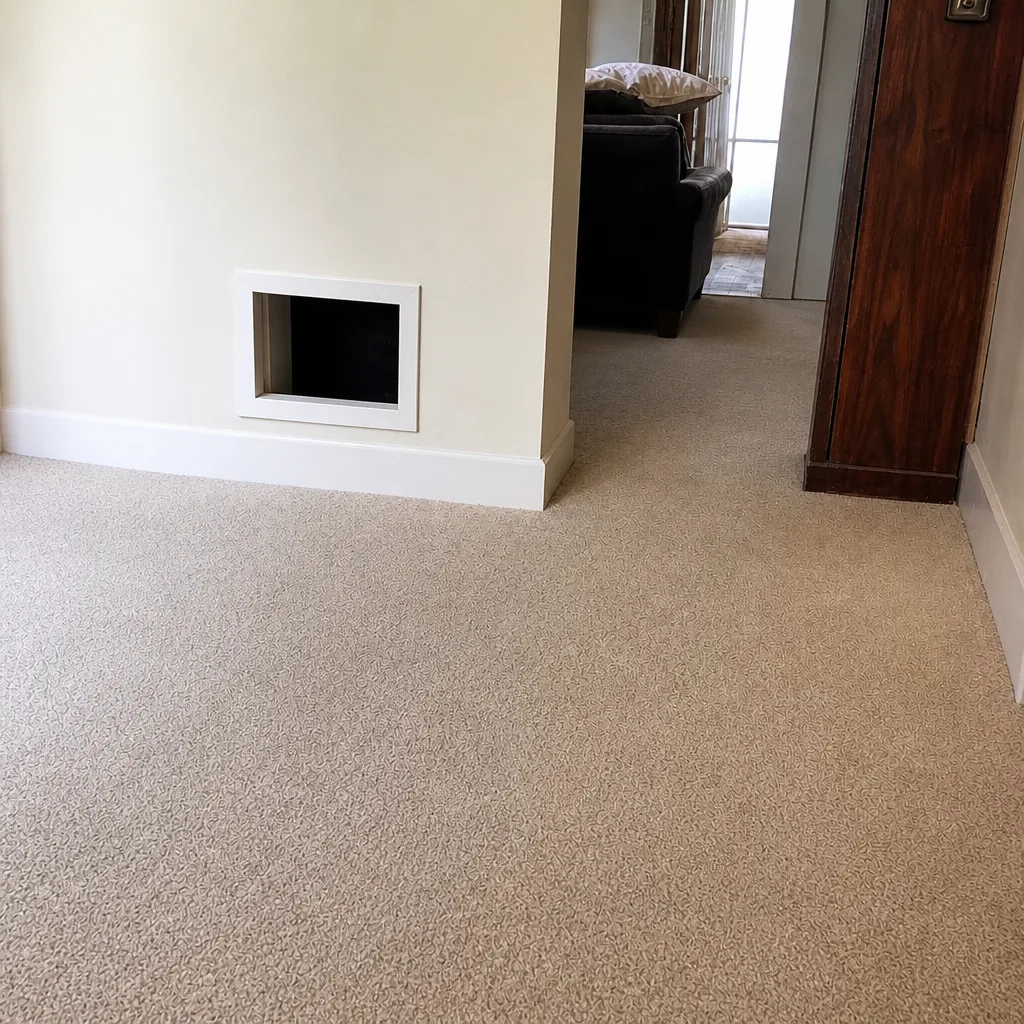
Whole-system duct and dryer vent check with before-and-after photos - you see exactly what came out of your vents
That "$99 whole-house special" is a bait ad - the real number appears once they are in your hallway, or the "clean" is a shop-vac at the register. We photograph the inside of your ducts before and after instead.
Air Duct Cleaning Troubleshooting in Lake Jeanette: Common Problems and How to Fix Them
If your ducts were cleaned six months ago and the musty smell is already back, the cleaning didn’t fail. It exposed a moisture problem that was never addressed in the first place. Most duct “problems” homeowners in Lake Jeanette try to treat, whether it’s odor, uneven airflow, or dust that settles hours after you wipe it away, are symptoms of a specific mechanical or contamination failure rather than generic dirtiness. Spraying deodorizer over a mildew smell or vacuuming a register again won’t touch the source. This guide maps each symptom to its actual cause and the correct intervention, so you can stop treating effects and start fixing sources.
Quick Answer
Most air duct cleaning problems in Lake Jeanette trace back to four causes: active moisture feeding mold, a breach or leak in the duct run pulling in attic or crawlspace air, a pressure imbalance caused by restricted returns, or debris trapped at a component the last cleaning never reached. The right fix depends on which one you have. A musty odor means moisture. Rebounding dust means a leak. Weak airflow in one room means restriction. Matching the symptom correctly is what separates a real repair from a repeat service call.
Styles & brands we work with
- Whole-home duct cleaning
- Dryer vent cleaning
- Camera inspection
- Sanitizing & deodorizing
Table of Contents
- Symptom-to-Cause Map: What Each Problem Actually Means
- Why Dust Comes Back After Cleaning
- How to Test for Airflow Restriction at Your Registers
- Moisture and Humidity: The Lake Jeanette Duct Challenge
- When UV Lights and Antimicrobial Treatments Make Sense
- Your 30-Day Post-Cleaning Checklist
- When Cleaning Isn’t the Answer
- Common Mistakes to Avoid
Symptom-to-Cause Map: What Each Problem Actually Means
Here’s the troubleshooting framework we use on every job. A symptom is not a diagnosis, and two homes with the same complaint can need two completely different interventions. The trick is to narrow the cause before anyone touches a brush or a vacuum. The four symptom families below cover the vast majority of what homeowners in Lake Jeanette report.
- Musty, earthy, or dirty-sock odor. Usually moisture. Mold or mildew is colonizing condensation on duct interior walls, often near the air handler or in runs through unconditioned attic space. Cleaning helps short-term, but until the moisture source is fixed, the growth returns.
- Sharp chemical or “new plastic” smell. Rarely mold. More often off-gassing from a component, a failing blower motor, or debris sitting against a hot heat exchanger. This one needs equipment diagnosis, not cleaning.
- Visible dust at registers and settling on surfaces. Typically a breach: a disconnected joint, a torn flex run, or an unsealed return pulling air from the attic or crawlspace. The system is essentially vacuuming dirty air into the house.
- Uneven airflow room to room. A pressure problem. Restricted returns, undersized branches, closed or blocked dampers, or debris lodged at a register boot. The system is starved on one end or blocked on the other.
Notice that none of those four is “the ducts are dirty.” That’s the point of this guide. Dirt is often present, but it’s frequently the passenger, not the driver. Our air duct cleaning work starts with identifying which family your symptom falls into, because the follow-up steps change with the answer.
Why Dust Comes Back After Cleaning
If dust returns within weeks of a cleaning, the usual culprit is a duct breach or a return-air leak, not leftover debris from the cleaning itself. Flex duct in particular is easy to tear during a renovation or a prior service call, and small tears pull attic or crawlspace air straight into the supply stream. A professional cleaning will clear the current dust load, but it can’t seal a crack it doesn’t address.
In Lake Jeanette homes, the breach often shows up in a few predictable places:
- At the air handler plenum. The transition from the unit cabinet to the duct run is a frequent gap. Pressure tape and mastic break down over time, and the joint opens.
- At flex duct boots. Where a run meets the register boot, the tape wraps loosen or never had mastic, and the run sags slightly away from the boot.
- Along attic runs. Flex laid across joists tends to kink or abrade over time. A small tear pulls in the attic’s dust, insulation fibers, and heat.
- On the return side. A panned return cavity or a ducted return that isn’t sealed draws air from wall cavities, which are dust reservoirs by nature.
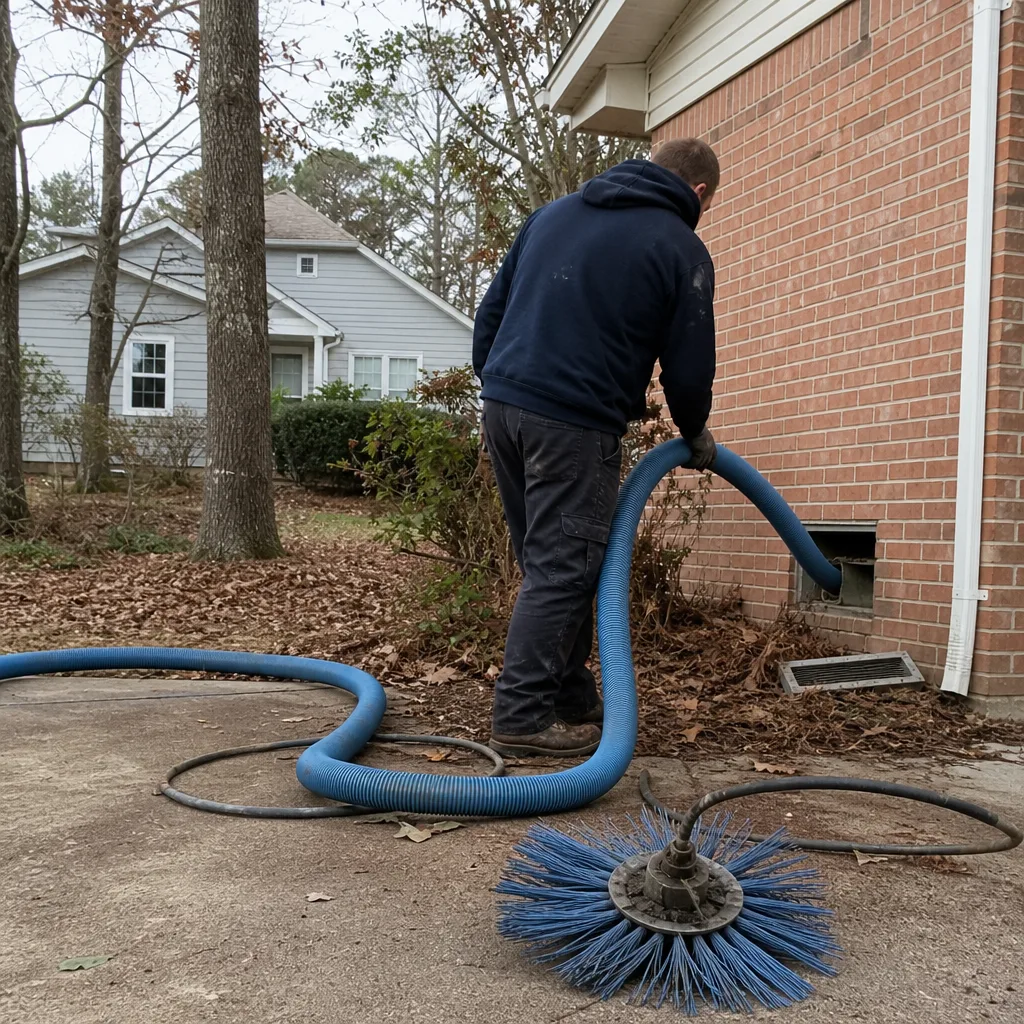
The fix is a combination of contact cleaning and sealing. Contact cleaning agitates dust off the walls so it can be captured. The brush-and-extract approach using Rotobrush equipment is designed exactly for this: brushes physically work the duct interior while a simultaneous HEPA extraction pulls dislodged debris out rather than blowing it into the room. Sealing the identified breaches comes next, so the next load of dust stays out. If recurring dust is your issue, plan for a sealing visit in addition to cleaning. Our Air Duct Cleaning Lake Jeanette page covers the full service lineup, and sealing is a routine part of it.
How to Test for Airflow Restriction at Your Registers
You can tell a lot about airflow restriction yourself before calling anyone. The test takes about ten minutes and needs nothing more than your hand, a tissue, and a notepad. Doing it first means the technician arrives with real data, and you don’t pay anyone to discover something you could have found in your own hallway.
Here’s the register comparison test:
- Hold a tissue loosely in front of each supply register, one at a time. Note how far it flutters or holds. The point is to compare, not to measure. You’re looking for outliers.
- Check every return register. Return grilles should pull noticeably. A weak return is often the driver of uneven supply pressure.
- Write down the rooms. Mark which supplies are strong, which are weak, and which are essentially dead.
- Look at the register itself. Damper closed? Furniture or a rug blocking it? A supply boot crushed or disconnected? Rule out the obvious before assuming duct restriction.
- Note when the issue appears. Weak at all times vs. weak only when the system is running in heat vs. cool can narrow the cause, because some restriction is actually a blower or damper problem, not a duct problem.
What the results usually tell us: one weak room with everything else strong points to a branch-level restriction, probably at the boot or a closed damper. Multiple weak rooms on one side of the house suggests a trunk or main-run issue. Weak everywhere points upstream, either at the filter, the return, the blower, or the coil. A blocked or overloaded filter is the most common single cause of “sudden” system-wide restriction, and it’s the first thing to check before scheduling any service.
If your test reveals weak returns across the board, that’s a situation where sealing and repair work pays off more than another round of cleaning. We handle duct repair and sealing as a standalone service for exactly that reason. And if the restriction aligns with a dirty evaporator coil or blower wheel, HVAC cleaning is the right next step.
Moisture and Humidity: The Lake Jeanette Duct Challenge
Lake Jeanette’s summers run humid, and humid air is the main enemy of a clean duct system. Moisture problems in ductwork almost always trace to one of three places: condensation on cold supply runs, humid air pulled in through unsealed attic returns, or a cooling coil that isn’t draining properly. Any of those can feed a recurring musty odor that no amount of cleaning will resolve on its own.
The first thing to understand is that mold needs moisture, not dirt. Cleaning removes the current growth, but if the moisture condition that grew it remains, the growth returns. That’s the single most misunderstood point in this category, and it’s why we’ve seen homeowners in Lake Jeanette schedule repeat cleanings while the real problem sat untouched.
Where moisture typically originates:
- Condensation on cold supply runs. Common in attics where the humidity is high and the duct surface runs below dew point. Insulation on the run, or a break in that insulation, is often the answer.
- Unsealed attic returns. Humid attic air pulled into the return stream every time the system runs, add load on the coil and moisture to the supply.
- A wet cooling coil or drain pan. Standing water at the air handler is a growth site, and debris or a blocked drain line often causes it.
- Duct runs in crawlspaces. Damp crawlspace air entering through a breach is essentially a moisture injection port.
If a musty smell returns quickly after cleaning, the correct response is a moisture audit, not another cleaning. That audit means checking insulation on cold runs, confirming the drain pan is clear and pitched correctly, and verifying attic returns are sealed. Once the moisture source is eliminated, a sanitizing step with a Guardsman-grade product can address the residual surface growth, and the cleaning actually holds. Skip the moisture step, and you’re back where you started next season.
When UV Lights and Antimicrobial Treatments Make Sense
A UV light or an antimicrobial treatment is the right call when active biological growth or a persistent contamination source is present, and the wrong call when the ducts are simply dirty. The distinction matters because UV and antimicrobial products get sold hard to homeowners who don’t need them, and the honest answer is that cleaning and sealing solve most problems without either.
Here’s when each is genuinely useful:
- UV lights make sense when there’s recurring growth at the cooling coil or the air handler area. A UV lamp aimed at the wet coil can suppress growth at the source, because the coil surface stays moist. That’s the specific job UV does well. It is not a whole-house air purifier, and it does not clean ducts.
- Antimicrobial treatments make sense after cleaning when confirmed biological growth was present and the moisture source has already been corrected. The order matters: fix the moisture, clean, then treat. Treating before fixing means buying a short-term effect.
- Neither makes sense for a system with a normal dust load and no moisture issue. A clean and sealed system with proper filtration doesn’t need an ongoing chemical or light treatment to stay clean.
Filtration upgrades are a separate, often more impactful purchase. Aprilaire and Honeywell products we install range from higher-MERV media filters to whole-home humidity control, and in Lake Jeanette’s humid summers the humidity control piece can do more for comfort and coil hygiene than a UV lamp will. The right combination depends on what your system actually needs, which is why we walk through the findings before recommending any add-on.
Your 30-Day Post-Cleaning Checklist
Cleaning is half the job. The other half is confirming the system is behaving in the following weeks, and in Lake Jeanette’s humid climate those first 30 days tell you whether the fix will hold. Run this checklist yourself about a month after any duct service. It takes five minutes and catches most recurring problems before they become a repeat visit.
- Smell the first few minutes of a cooling cycle. A faint musty note that fades is often residual. A musty note that builds with runtime is moisture the cleaning didn’t reach. That’s your signal to look at the coil, drain pan, and attic returns.
- Wipe one supply register grille and one return grille. A light even film over a month is normal. Visible dust buildup or clumps means dirty air is still entering, likely through a breach.
- Re-check airflow at every register. Compare against your pre-cleaning notes. Flow should be equal or better. Any room that got worse points to a crushed run, a shifted boot, or a damper moved during service.
- Check the filter. A filter that clogged quickly after cleaning can mean remaining debris is still working its way to it, or that return-side leakage is pulling in extra dust. Replace on schedule and note how fast it loads.
- Look at the drain pan and the coil cabinet edge. Standing water, biofilm, or a rust ring signals a moisture issue that needs correction.
- Feel the register air temperature during cooling. Air that runs warm or humid at one register can mean an unsealed attic run pulling in humid attic air.
If everything on that list is clean without a repeat finding, the service did its job. If one line flags repeatedly, that’s the one to bring to a technician’s attention. Written notes and photos make that conversation fast.
When Cleaning Isn’t the Answer
Some duct problems won’t respond to cleaning because cleaning isn’t the right intervention. Recognizing that early saves money and repeat visits. In our experience, three situations sit firmly in that category.
Undersized or badly designed ductwork. If the branch runs to a room were never sized correctly, no cleaning will make the room comfortable. That’s a design problem, and the fix is a redesign or a duct repair and modification, not a cleaning. A pressure test by a technician tells you which side of that line you’re on.
Pervasive mold from an unresolved moisture source. Cleaning plus sanitizing handles surface growth, but if a moisture source remains, the growth returns. The correct sequence is source correction, then cleaning, then sanitizing, then possibly UV at the coil. Skipping step one and going straight to cleaning is the most common version of this mistake in Lake Jeanette’s humidity.
Component failures. A failing blower motor, a stuck damper, a cracked heat exchanger, or a control board issue can all present as “duct” symptoms. Those need equipment diagnosis, not duct service. Cleaning won’t fix a failing blower, and it shouldn’t be sold as if it will.
The honest answer, sometimes, is that a duct cleaning company shouldn’t be the one you call. A good technician will tell you when the cause is upstream. The same diagnostic approach applies to the moisture-prone zones around the home, which is why our dryer vent cleaning work always includes an airflow and lint inspection rather than treating it as a quick pass.
Common Mistakes to Avoid
- Treating a smell with deodorizer. A spray or fogged scent masks the symptom for days or weeks and hides the actual moisture or contamination source behind it. Fix the moisture, then clean, and the odor resolves with the cause.
- Booking repeat cleanings instead of a moisture audit. If a musty smell returns within a season in a humid Lake Jeanette summer, cleaning again is the wrong step. The moisture source is the problem, and cleaning around it just resets the clock.
- Skipping the register comparison test. Without a minute of airflow comparison before work starts, you can’t tell whether the service actually improved anything. That test is your baseline for the 30-day check.
- Assuming a filter change solves restriction. A new filter is worth trying first, but if airflow doesn’t improve, the restriction is downstream of the filter, in a return, a branch, or a boot. Keep evaluating past the filter.
- Buying add-ons before the core fix. A UV light or antimicrobial fog added before the moisture source and any breach are corrected is a temporary purchase. Fix cause, then consider add-ons.
- Ignoring duct sealing as a separate step. Cleaning alone leaves the breaches that cause recurring dust intact. In homes where dust returns quickly, sealing is the piece that actually stops it.
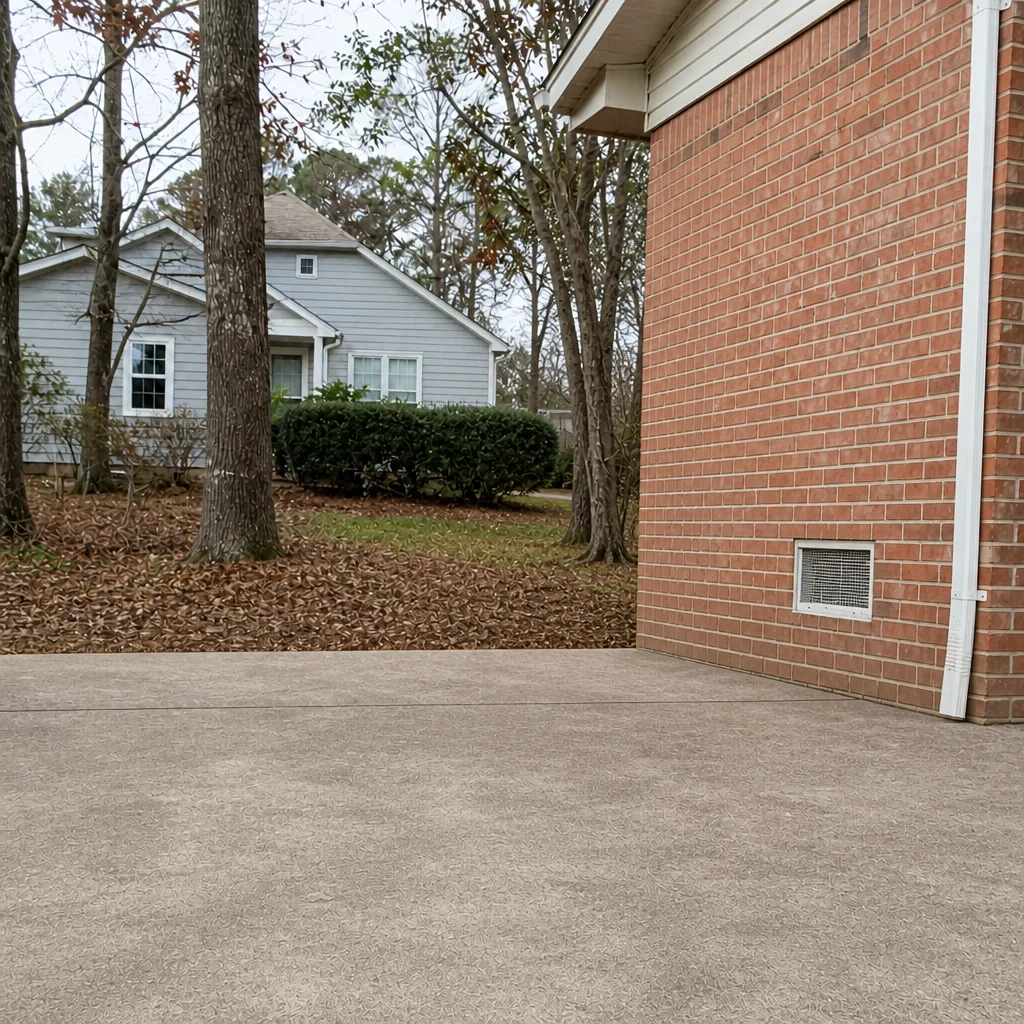
- Trusting a single visual check as proof of work. Confirm what was pulled out of your system and get a look at the process. Before-and-after photos of your own ducts settle the question faster than a verbal report.
See the difference
 Before
 After
 Before
 After
 Before
 After
When to Call a Professional
Call a professional when the cause of a duct problem isn’t obvious after your register comparison and 30-day check, when a musty odor returns after cleaning, when you suspect a breach in an attic run or return, or when you see visible mold growth at a register or on the coil. Call also when the issue is airflow that doesn’t improve after a filter change and damper check, or when a room has never been comfortable, because that usually needs diagnosis rather than a guess. Duct work in attics and at the air handler is a place where a wrong guess gets expensive, and a moisture or sealing problem left unaddressed just keeps costing you. Air Duct Cleaning Lake Jeanette offers free estimates in Lake Jeanette. Call (877) 792-7174 to book a walkthrough. The written estimate sets the price per job, and the technician will show you what’s actually going on before any work is scheduled. Call (877) 792-7174. We answer 24/7. Fast dispatch from 7am to 7pm, Sunday through Friday.
Frequently Asked Questions
Because the cleaning often exposes the moisture that was feeding the odor, rather than removing it. A musty smell right after a cleaning usually means condensation, humid attic air through an unsealed return, or a wet coil or drain pan is still present. Cleaning clears the surface growth, but it doesn’t correct the moisture source. The fix is to locate and correct that source, then re-clean and sanitize. Call (877) 792-7174 for a free estimate. Estimates are free.
Recurring dust after cleaning is the strongest signal, and the register comparison test usually confirms it. If dust returns to surfaces and grilles within weeks, and one or more rooms draft air that feels warm or humid, you’re pulling in attic or crawlspace air through a breach. Locate the leak before paying for another cleaning. Call (877) 792-7174. We answer 24/7. Fast dispatch from 7am to 7pm, Sunday through Friday.
Only when recurring growth at the cooling coil or air handler is confirmed. A UV light aimed at the coil can suppress growth there because that surface stays wet. It doesn’t clean ducts, and it won’t fix whole-house dust or airflow. If no growth and no moisture is present, UV is not the fix. Call (877) 792-7174 for an assessment. Estimates are free.
The honest answer is “when the diagnostic points to it,” which for many Lake Jeanette homes means every few years and sooner after renovations, a pest issue, or a moisture event. There’s no fixed calendar that fits every home, and a professional who tells you otherwise is selling a schedule rather than a fix. We look at what’s actually in the system before recommending a frequency. Call (877) 792-7174. Estimates are free.
Low quotes usually mean less equipment, less reach, and no diagnostic step. The low number gets you a quick pass at the registers; the source-level work of cleaning trunk runs, the air handler cabinet, returns, and sealing breaches costs more because it takes longer and needs professional-grade containment. In Lake Jeanette, we’d rather quote honestly and do the real job than quote a number that can’t cover it. Call (877) 792-7174 for an exact quote. Estimates are free.
Ask for before-and-after photos of your own ductwork, and for the process explained step by step. Professional equipment like the Rotobrush contact-cleaning system and Nikro HEPA-rated extraction leaves visible evidence: pre-work photos show the load, post-work photos show clean interior walls. If a company won’t document the work with photos of your system, you have no way to confirm the job. Call (877) 792-7174. We answer 24/7. Fast dispatch from 7am to 7pm, Sunday through Friday.
The Bottom Line
Duct problems are diagnosable. A musty smell means moisture, recurring dust means a breach, uneven airflow means restriction, and lingering contamination means the source wasn’t corrected. Match the symptom to the cause and the fix gets simpler, usually cheaper, and often faster than a repeat cleaning cycle. In Lake Jeanette’s humid summers, moisture work comes first because it’s what keeps every other result from holding. Cleaning, sealing, and sanitizing are different steps that solve different problems, and the right combination depends on what the system is actually doing. Do the register test, run the 30-day check, and call a technician when the answer isn’t clear. One phone conversation can save you three service calls.
If the symptom in your home doesn’t fit neatly into one of these categories, or if you’d rather have a trained eye confirm the cause before any work, call us. Air Duct Cleaning Lake Jeanette provides free estimates on every service, from cleaning and sealing to sanitizing and dryer vent work. Our technicians have up to 13 years of experience with professional-grade equipment from Rotobrush, Nikro, Abatement Technologies, Aprilaire, Honeywell, and Guardsman. We answer 24/7. Fast dispatch from 7am to 7pm, Sunday through Friday, and closed Saturday. Same-day service is available when the schedule allows. Call (877) 792-7174 to get started.
Written by the team at Air Duct Cleaning Lake Jeanette.