
Last updated November 24, 2026
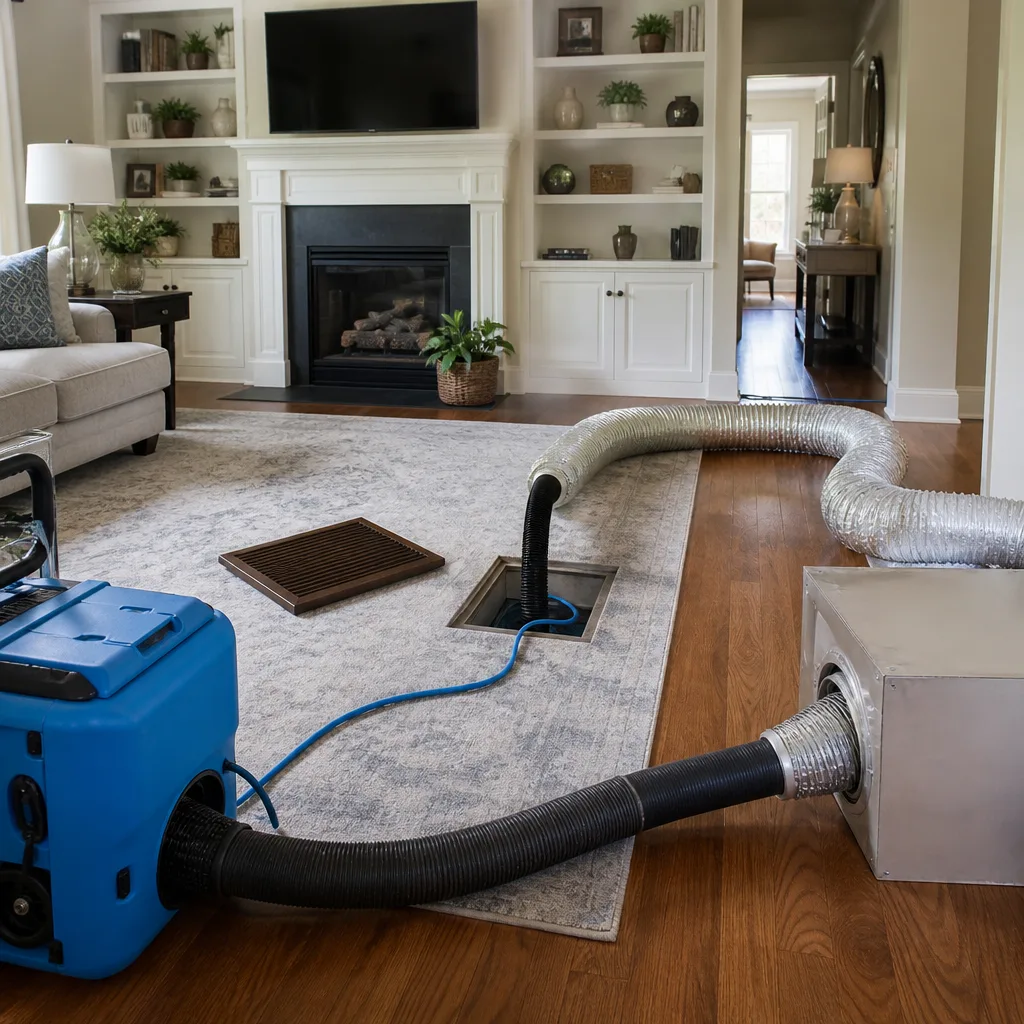 Whole-home duct cleaning
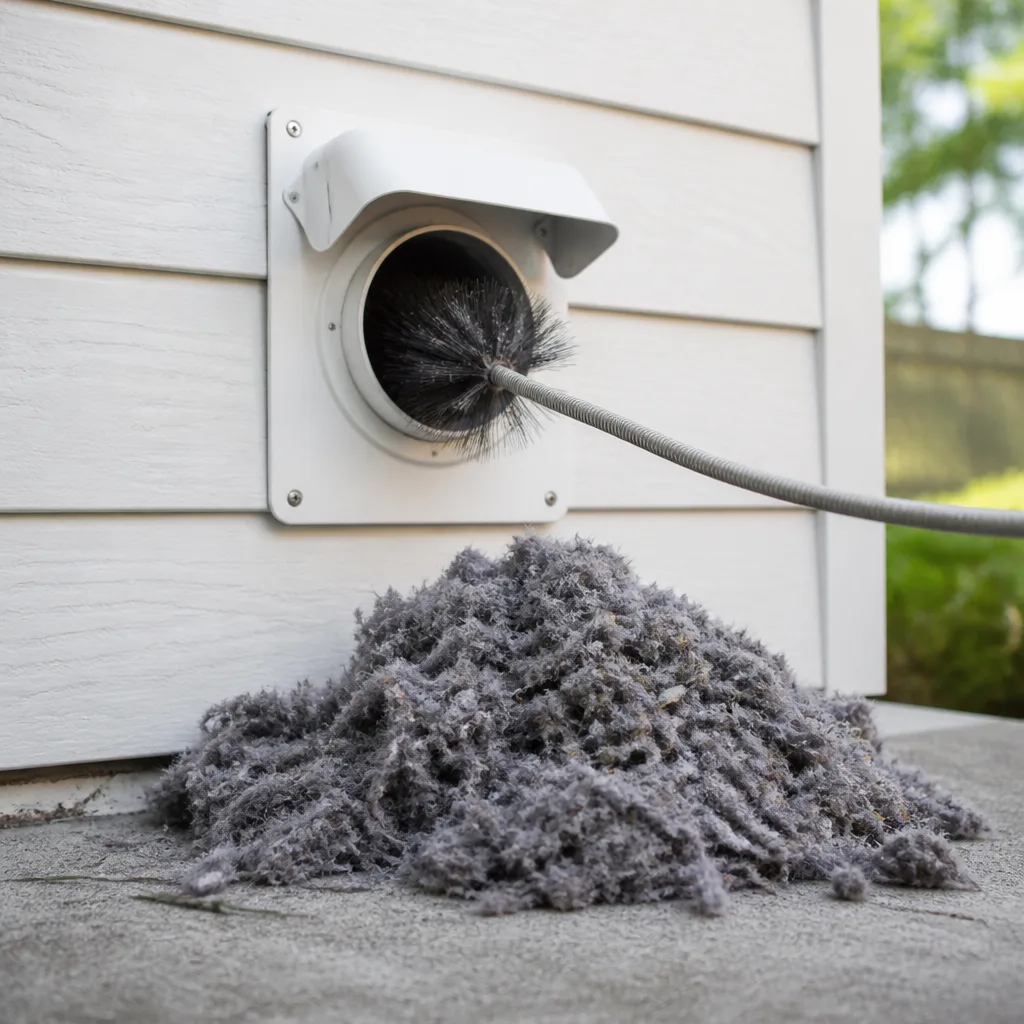 Dryer vent cleaning
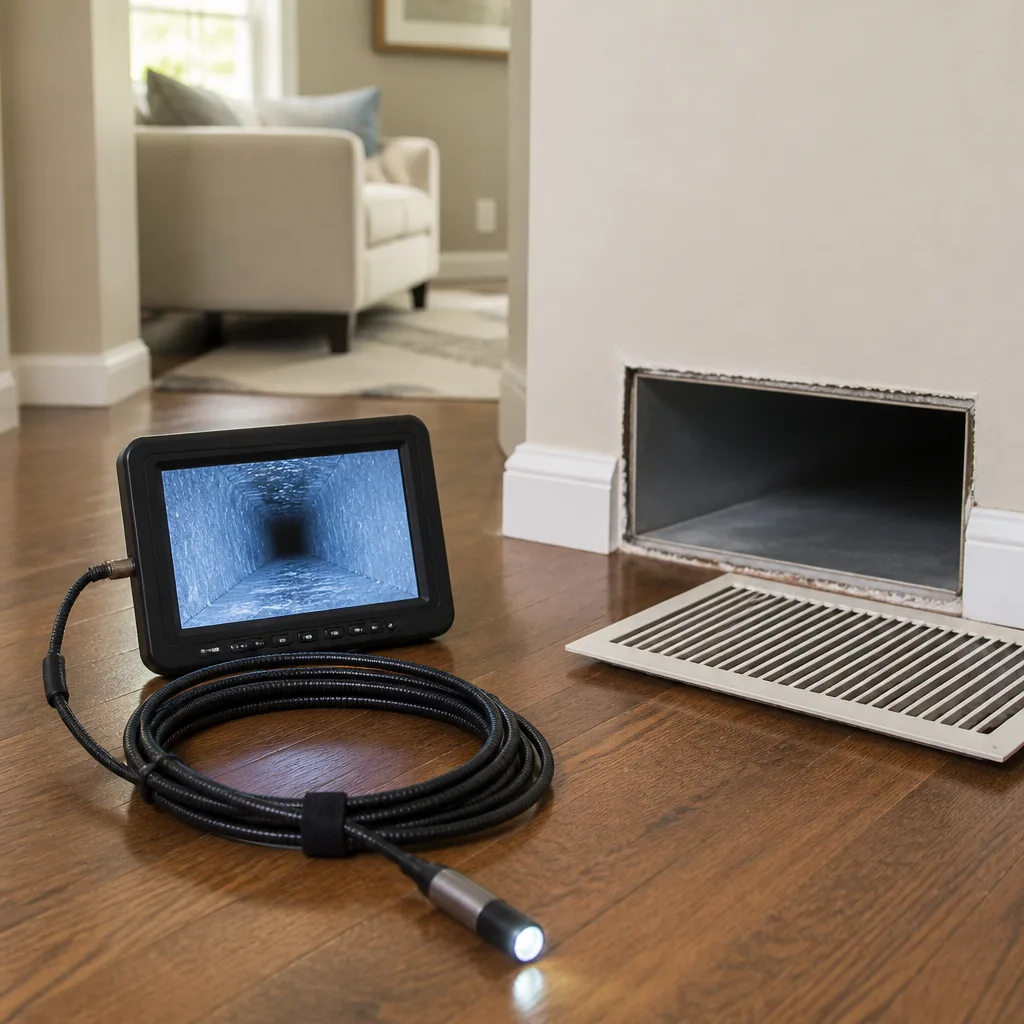 Camera inspection
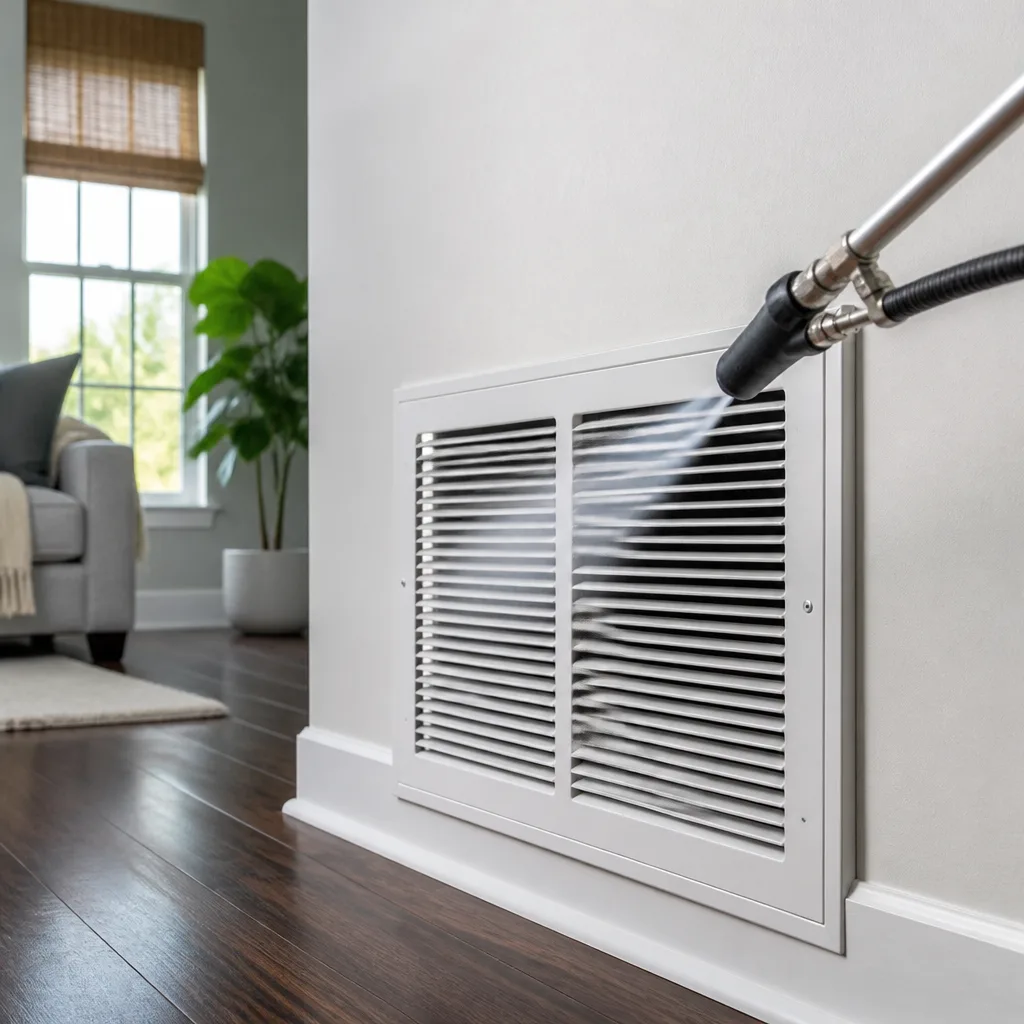 Sanitizing & deodorizing
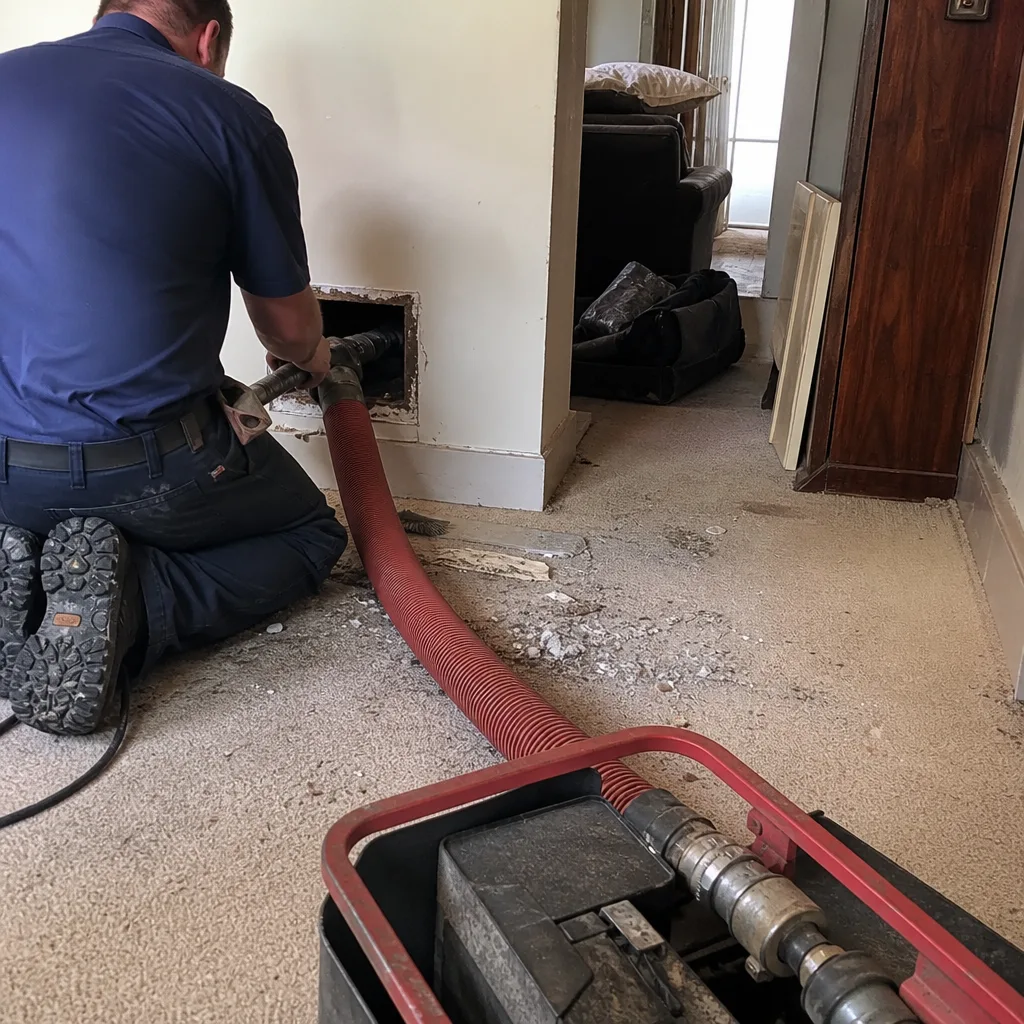
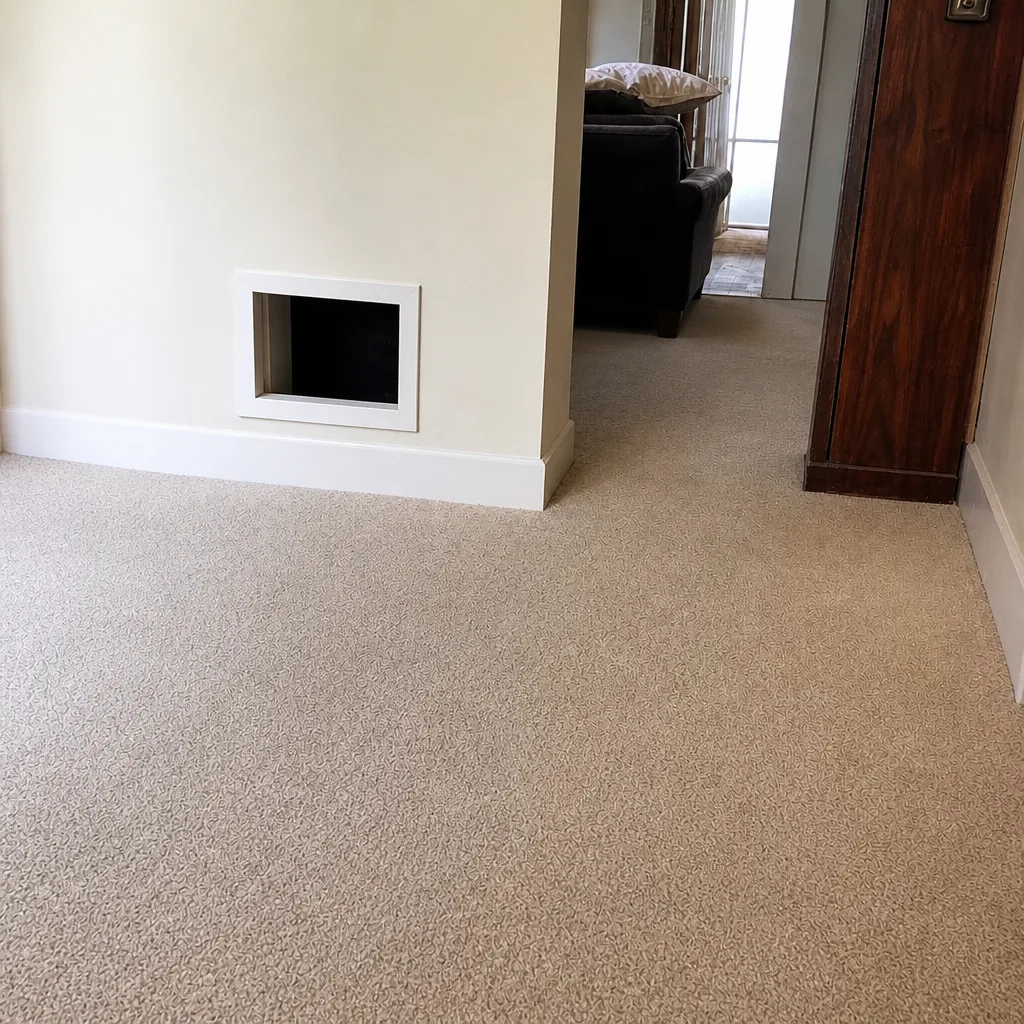
Whole-system duct and dryer vent check with before-and-after photos - you see exactly what came out of your vents
That "$99 whole-house special" is a bait ad - the real number appears once they are in your hallway, or the "clean" is a shop-vac at the register. We photograph the inside of your ducts before and after instead.
Air Duct Cleaning Permits, Codes & Inspections in Lake Jeanette, NC: What You Need to Know
Here’s the part almost nobody explains: the cleaning itself is maintenance, but the add-ons often sold alongside it can cross into permitted construction. A contractor who mounts an in-duct UV-C germicidal light during your cleaning appointment and doesn’t pull an electrical permit has created an unpermitted modification on your HVAC system. It surfaces during a home inspection, and it becomes your problem to resolve at resale. In Lake Jeanette, where planned-community covenants sit on top of county code, the line between routine work and code review matters more than most homeowners realize. This guide draws that line precisely, so you can tell what your invoice should and shouldn’t include.
Quick Answer
Air duct cleaning itself does not require a permit in North Carolina because it’s classified as routine HVAC maintenance, not construction. What does trigger permits is anything that changes the system: duct replacement, duct extension, plenum modification, spray foam duct liner work, and electrical installations such as UV-C lights or in-duct sensors. In Guilford County, mechanical and electrical permits are enforced through the county inspections department, and you can verify a contractor’s permit history before work begins.
Styles & brands we work with
- Whole-home duct cleaning
- Dryer vent cleaning
- Camera inspection
- Sanitizing & deodorizing
Table of Contents
- Where Maintenance Ends and Code Review Begins
- The Four Permit Trigger Points for Duct Work
- Why Duct Sealing Is Exempt but Liner Replacement Usually Isn’t
- How Guilford County Enforces Mechanical and Electrical Permits
- How to Verify a Contractor’s Permits Before Work Starts
- Lake Jeanette HOA Covenants and Exterior HVAC Access
- What an Inspection Actually Looks At
- How Unpermitted Work Affects Resale and Insurance
Where Maintenance Ends and Code Review Begins
The confusion starts with a simple fact: cleaning a duct system is not building anything. You’re removing debris from an existing assembly. Under the North Carolina State Building Code, that’s maintenance, and maintenance doesn’t require a mechanical permit. A brush-and-extract cleaning with HEPA-rated containment changes nothing about the structure of your system, so no inspector needs to sign off on it.
What changes the picture is scope creep. During a cleaning appointment, a technician may notice a crushed flex run, a leaking plenum seam, or a disconnected boot. Fixing those sounds like a small favor. Sometimes it is. Sometimes it’s a code-regulated alteration.
The practical test we use is straightforward:
- Removing debris from existing ducts – maintenance, no permit.
- Sealing visible joints with mastic or foil tape – maintenance, no permit.
- Replacing a section of duct, adding a new run, or rebuilding a plenum – alteration, permit typically required.
- Installing anything electrical inside the duct system – electrical permit territory.
Lake Jeanette homes sit in a range of build eras, and that matters here. Older flexible duct in some sections of the community has had more time to develop the kind of sagging and disconnection that invites a “we’ll just replace this run” conversation mid-job. Ask whether the repair is a seal or a replacement. The answer determines whether a permit belongs on the project.
For a plain air duct cleaning visit, nothing in this section applies. That’s the point. Know the boundary and the rest of the guide is easy to follow.
The Four Permit Trigger Points for Duct Work
Four categories of duct-related work carry different thresholds. Treat them as separate questions, because a contractor may handle one correctly and get another wrong.
1. Duct replacement
Removing and installing new duct sections is an alteration to a mechanical system. In most North Carolina jurisdictions, that’s a mechanical permit and an inspection. The inspection verifies the duct is properly sized, supported, sealed at connections, and clear of the clearances the code requires. A replacement run that’s the wrong diameter or improperly supported can create the same pressure imbalance the homeowner was trying to solve.
2. Duct extension
Adding a run to condition a bonus room, garage conversion, or finished attic is new mechanical work. It’s a permit. It’s also the category most likely to appear unannounced during a renovation when a homeowner asks for “one more vent” while the crew is already there.
3. Plenum modification
The plenum is the box connecting your air handler to the duct distribution. Cutting into it to add a takeoff, resize an opening, or install a damper changes the system’s pressure characteristics and usually falls under mechanical permitting. We treat plenum work with care: this is also where a poorly sealed seam quietly loses conditioned air for years.
4. Electrical installation
Anything that draws power and mounts inside or on the duct system: UV-C germicidal lamps, in-duct air quality sensors, powered dampers, electronic air cleaners. Electrical work requires an electrical permit in Guilford County. A UV light is the classic example, because it’s often offered as a quick add-on and installed without one. That’s the unpermitted modification described at the top of this guide, and it’s avoidable.
If a contractor proposes any of these four and doesn’t mention a permit, ask directly. A professional answer is easy. A vague one tells you something.
Why Duct Sealing Is Exempt but Liner Replacement Usually Isn’t
Duct sealing and duct liner replacement look similar on an invoice. They sit on opposite sides of the permit line.
Sealing closes leaks at joints, seams, boots, and plenum connections. Mastic brushed over a seam or foil tape applied to a joint doesn’t change the system’s design, dimensions, or materials. It’s maintenance. Most jurisdictions, including Guilford County, don’t require a permit for it. This is why sealing is a natural companion to cleaning: it’s a repair of what’s already there.
Liner replacement is different. Acoustic and thermal duct liner is an internal material specified for sound control and condensation management. Replacing it means removing the old liner and installing new material inside the ductwork. Spray foam duct liner, in particular, is a field-applied product that changes the interior surface of the system. In most jurisdictions that’s an alteration requiring mechanical review, and it also raises legitimate questions about cure time, off-gassing, and whether the product is rated for the application.
Two rules of thumb worth remembering:
- If the work adds material to the outside of a joint, it’s sealing.
- If the work replaces or adds material inside the duct airstream, ask about permits and product ratings before agreeing.
Cleaning, sanitizing, and sealing form a complete maintenance visit that stays comfortably inside the exemption. When a contractor starts talking about replacing liner, you’ve moved from maintenance into a construction conversation, and the paperwork should reflect it.
How Guilford County Enforces Mechanical and Electrical Permits
Guilford County administers building, mechanical, electrical, and plumbing permitting and inspections for unincorporated areas and participating municipalities. For a Lake Jeanette homeowner, the practical question is simple: when a permit is required, who pulls it and who inspects it?
The answer, in almost every case, is the contractor. Permits are pulled in the name of the licensed trade professional performing the work, not the homeowner. That arrangement exists for your protection. It means the person doing the work carries the responsibility for code compliance, and the county inspection is a check on their work rather than yours.
The sequence normally runs like this:
- The contractor determines whether the scope requires a permit.
- The contractor submits the application with the scope of work and system details.
- The county issues the permit and the work proceeds.
- An inspector visits at the appropriate stage and either approves or issues corrections.
- The permit is closed out, which is the record that matters at resale.
Two things trip people up. First, a permit that’s pulled but never inspected is worse than no permit, because it shows up as open on the record. Second, a homeowner who pulls their own permit takes on the compliance responsibility, and that’s rarely a good trade when the contractor is the one who knows the code requirements.
For reference, this is why a straightforward cleaning visit is refreshing: there’s no permitting step, no inspection stage, and no paperwork trail. Just a documented before-and-after of your own ducts.
How to Verify a Contractor’s Permits Before Work Starts
Verification takes a few minutes and prevents months of headaches. Do it before the technician arrives, not after.
- Ask for the permit number in writing. If the scope requires a permit, the contractor should be able to give you the number. A verbal “we’ll handle it” isn’t verification.
- Look it up in Guilford County’s online permit portal. The county’s online system lets you search permits by address or by contractor name. Confirm the permit exists, matches the scope, and lists the correct property address.
- Check the permit type. A mechanical permit for duct replacement is not the same as an electrical permit for a UV system. If both types of work are happening, both permits should exist.
- Confirm the license status of the trade professional. Mechanical, electrical, and plumbing work in North Carolina requires the appropriate state license. The local pro is licensed and insured as their state requires, and you can confirm that against state records.
- Get the inspection result. Once work concludes, ask for the inspection outcome. A closed permit with a passed inspection is the documentation you want in your records.
Do this for duct replacement, plenum work, and electrical add-ons. You don’t need to verify anything for cleaning, sanitizing, or mastic sealing, because no permit applies.
If you’re also having us handle HVAC cleaning as part of the visit, the same boundary applies: cleaning the air handler and coil is maintenance, while altering the system’s components is not.
Lake Jeanette HOA Covenants and Exterior HVAC Access
Lake Jeanette’s planned communities layer architectural review on top of county code, and the two are separate approval processes. County permits cover code compliance. HOA covenants cover appearance and property standards. Passing one doesn’t satisfy the other.
Most duct cleaning happens entirely inside the home, so HOA review doesn’t come into play. It becomes relevant in a handful of situations:
- Exterior equipment access. Some systems, particularly those with exterior air handlers or accessible duct runs in attics and crawlspaces, need equipment staged outside the home. If staging means a vehicle parked unusually, a ladder against the structure, or equipment crossing common areas, check your community’s rules on advance notice.
- Exterior modifications. A new exterior vent, a relocated dryer vent termination, or a new condensing unit pad usually requires architectural review committee approval. This is not a county permit question, but it’s the same kind of prior approval.
- Work hours and noise. Many Lake Jeanette communities set expectations for when contractors can work. Ask before you book a large job so the schedule doesn’t create friction with neighbors.
If you’re a property manager handling multiple units, keep the two approval tracks separate in your records: county permit documentation for code compliance, HOA approval documentation for covenant compliance. Mixing them up is how a minor repair turns into a compliance letter.
What an Inspection Actually Looks At
When a mechanical or electrical permit applies, the county inspection verifies specific conditions. Knowing what’s checked helps you understand what a contractor should be doing.
For mechanical permits on duct work, the inspector is generally looking at:
- Proper sizing of replacement or new duct relative to the system’s capacity.
- Secure support and connection at joints, boots, and the plenum.
- Sealing at connections where the code requires it.
- Clearances from combustibles and proper routing.
- Consistency between the permitted scope and what was actually installed.
For electrical permits on in-duct equipment, the inspection covers the circuit, the disconnect, grounding, and the method of mounting the device in or on the duct system.
What an inspection does not cover is cleanliness. No county inspector evaluates whether your ducts are free of dust, debris, or microbial growth. That’s outside the code’s purpose. Cleaning quality is something you verify differently: before-and-after photographs of your own system, a description of the method used, and equipment you can identify. Contact cleaning with a brush-and-extract method, paired with HEPA-rated containment, is the standard we hold ourselves to because it’s the method whose results can be shown rather than described.
How Unpermitted Work Affects Resale and Insurance
Unpermitted work doesn’t usually cause a problem the day it’s installed. It causes problems later, at the two moments when documentation matters most.
At resale, a buyer’s home inspector looks at the HVAC system and notes anything that appears modified without documentation. An in-duct UV system with no electrical permit record, or a replaced duct run with no mechanical permit, becomes a line in the inspection report. Buyers then ask for proof, and you either have it or you don’t. The common outcome is a price concession or a request that you obtain retroactive approvals before closing, both of which cost more than the original permit would have.
At an insurance claim, a carrier evaluating a water loss from a condensate issue, a fire, or a system failure may look closely at whether modifications were permitted. Unpermitted work gives an insurer a reason to question causation. That’s not a comfortable position, and it’s avoidable.
The fix isn’t complicated. Keep a simple file for your HVAC system containing permit numbers, inspection results, and service records. When you sell, you hand over documentation that answers every question. When you claim, you’re not explaining a gap.
If you also use dryer vent cleaning as part of a maintenance routine, that record belongs in the same file. It’s a routine service with no permitting involved, and it demonstrates a pattern of documented maintenance that inspectors and buyers appreciate.
Common Mistakes to Avoid
- Accepting a UV-C light install with no electrical permit. It’s the single most common unpermitted HVAC modification we hear about. An electrical device mounted in your duct system draws power, and that’s a permit and inspection in Guilford County.
- Letting a “quick duct replacement” happen mid-cleaning without asking who pulls the permit. If the scope is a replacement rather than a seal, the permit question needs an answer before the technician starts cutting. Never after.
- Assuming a permit in the contractor’s name means it covers your property. Verify the permit lists your address and matches the actual scope. A permit exists for a specific address and a specific scope of work.
- Confusing HOA approval with county code compliance. Lake Jeanette’s architectural review process and Guilford County’s permit system are separate. Approval from one doesn’t satisfy the other, and a new exterior vent termination may need both.
- Treating spray foam duct liner as routine maintenance. It changes the interior surface of the system and generally triggers mechanical review. It also raises product-rating and cure questions that a maintenance service doesn’t.
- Pulling the permit yourself to save time. That transfers compliance responsibility to you as the homeowner. The licensed professional performing the work should be the permit holder.
- Leaving a permit open. A permit pulled and never inspected shows up as unresolved on the record, which is a worse outcome than never filing. Confirm the inspection happens and the permit closes.
See the difference
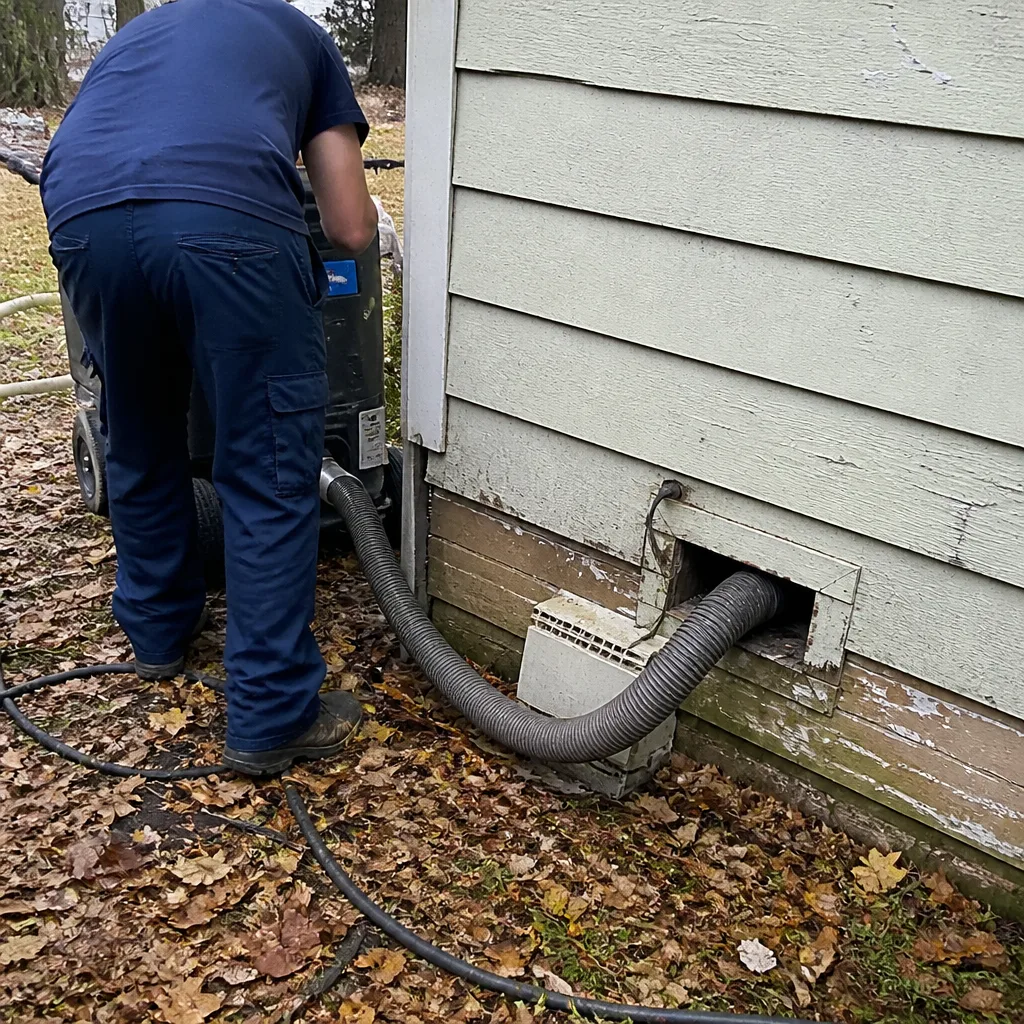 Before
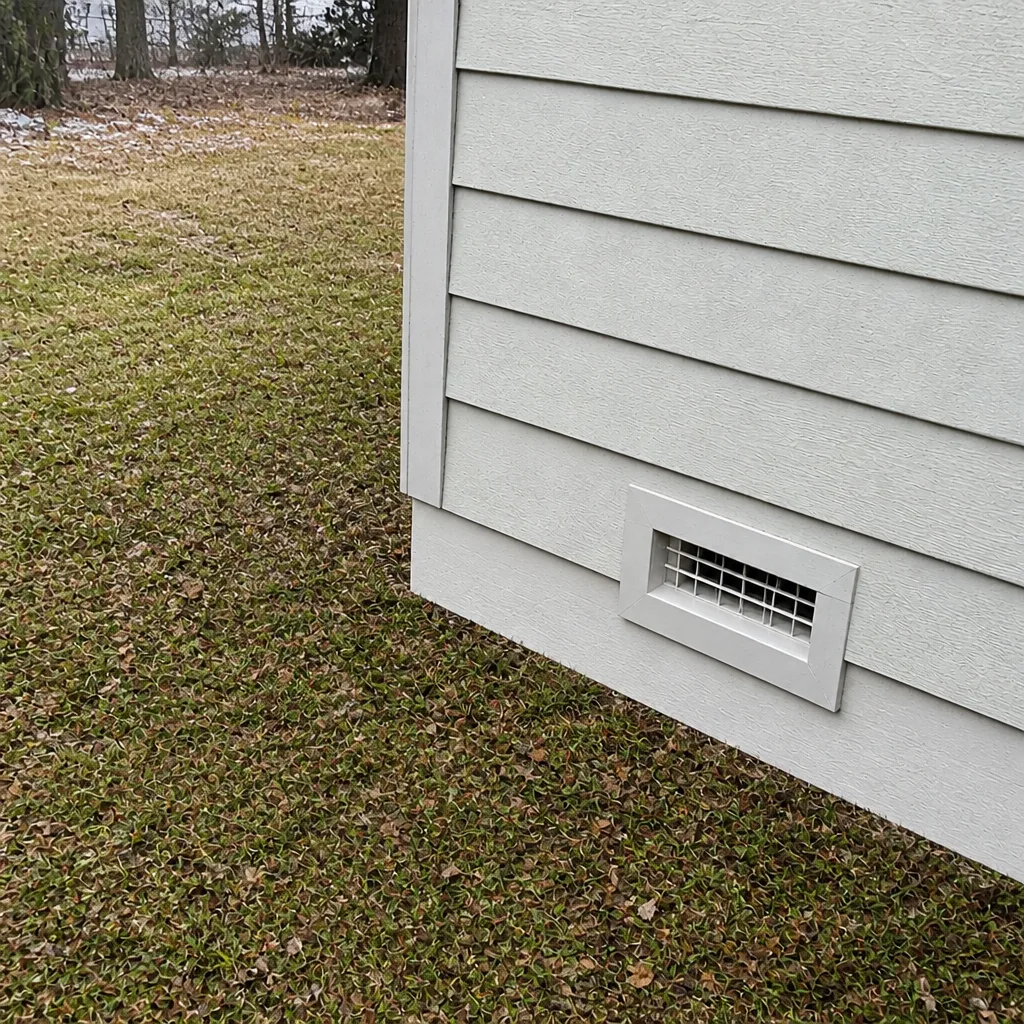 After
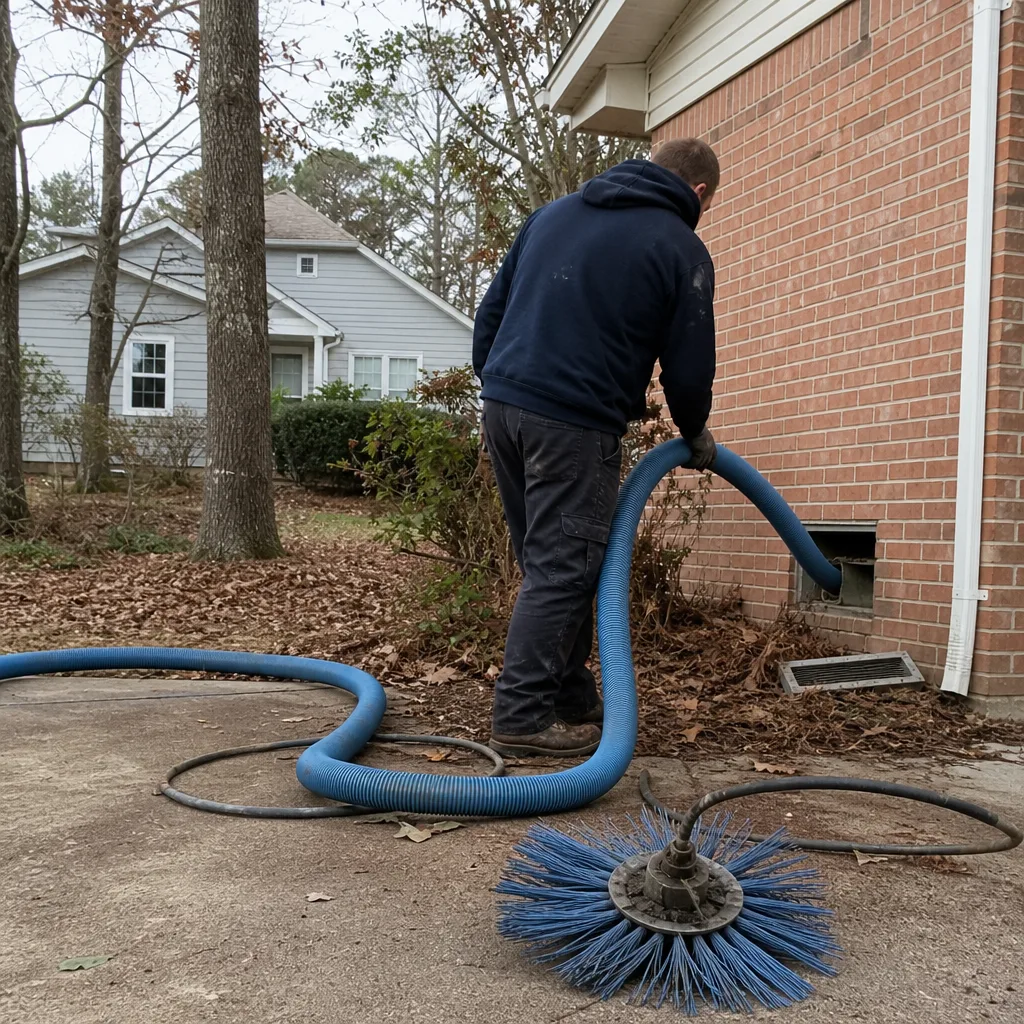 Before
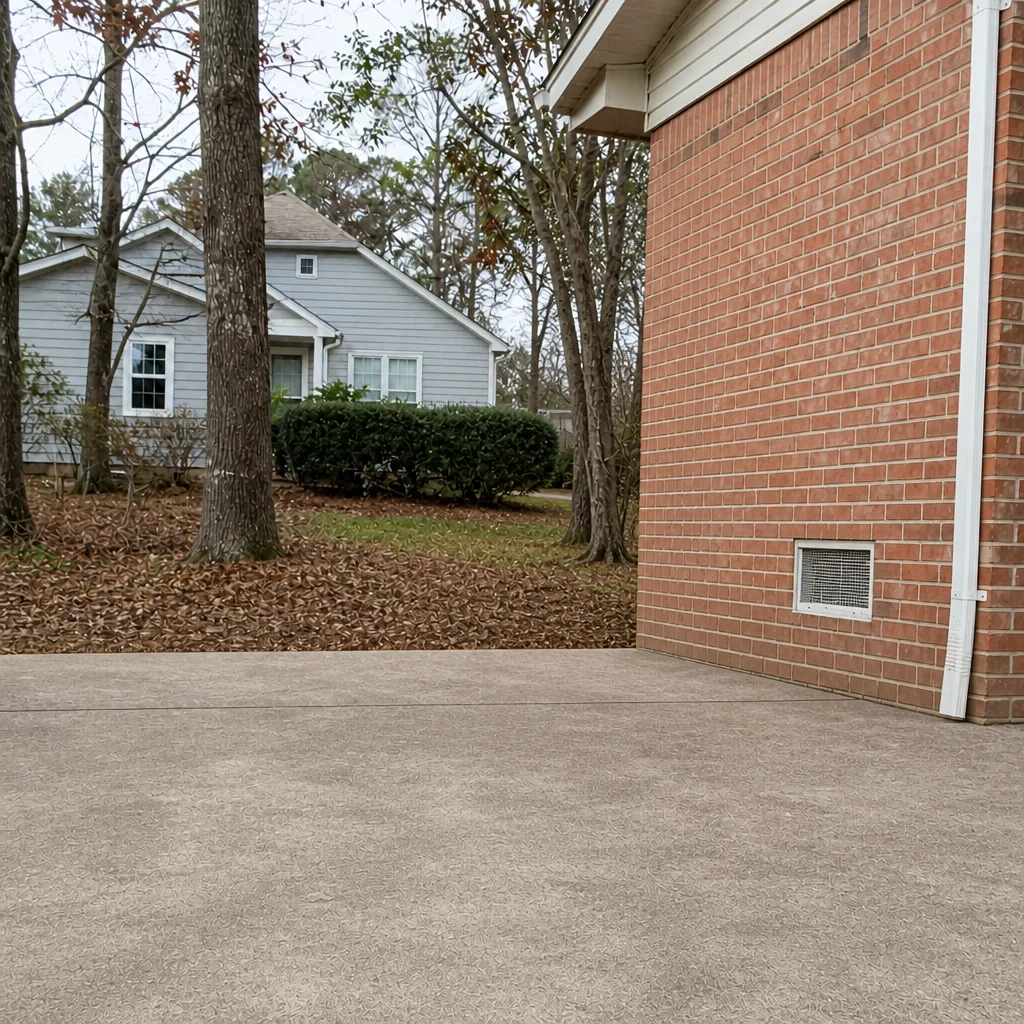 After
 Before
 After
When to Call a Professional
Call a professional when you’re unsure which side of the permit line a proposed job falls on. Call when a contractor has offered to add electrical equipment to your duct system and hasn’t mentioned a permit. Call when you’re buying a Lake Jeanette home and the inspection report notes HVAC modifications with no documentation trail. Call when you’re selling and need to know whether a prior service left an open permit. And call when the work itself is cleaning, sealing, sanitizing, or a dryer vent clear-out, because those are maintenance tasks worth doing properly with equipment that captures debris rather than redistributing it. Air Duct Cleaning Lake Jeanette offers free estimates in Lake Jeanette, with one flat price per system agreed before work starts, before-and-after photos of your own ducts, and a satisfaction guarantee. Call (877) 792-7174. We answer 24/7. Fast dispatch from 7am to 7pm, Sunday through Friday.
Frequently Asked Questions
No. Air duct cleaning is classified as routine maintenance under the North Carolina State Building Code, so no mechanical or electrical permit applies to removing debris from existing ducts. The permit question only arises when the scope changes the system through replacement, extension, plenum modification, or electrical installation. Call (877) 792-7174 for an exact quote on cleaning and sealing – estimates are free.
Duct replacement, duct extension, plenum modification, spray foam duct liner replacement, and any electrical installation inside the duct system such as a UV-C light or in-duct sensor. Routine cleaning, mastic or foil tape sealing, and sanitizing do not require one. When in doubt, ask the contractor for the permit number in writing before work begins.
Search Guilford County’s online permit portal by your property address or by the contractor’s name. The portal shows the permit type, status, and scope. Confirm the permit matches the work being done and lists your address, then ask for the inspection result once the job concludes. A closed permit with a passed inspection is the record you want to keep.
Low quotes usually reflect a smaller scope: a single pass with a shop vacuum, no HEPA containment, no before-and-after photos, and no sealing. Cleaning quality isn’t regulated by permit or inspection, so it’s on you to verify the method and the documentation. Ask what equipment is used, whether the price is per vent or one flat price per system, and whether you’ll receive photos of your own ducts. Call (877) 792-7174 for a straight answer and a free estimate.
For interior cleaning, no. HOA architectural review becomes relevant when work touches the exterior: a new vent termination, a relocated dryer vent, a new equipment pad, or staging that affects shared areas. County permits and HOA approval are separate processes, and a job may need both. Check your community’s rules before booking exterior-visible work.
Most homes benefit from a cleaning every few years, and the schedule shortens if you have pets, recent renovation dust, allergy sensitivities, or visible debris at the registers. There’s no code requirement setting a frequency because cleaning is maintenance, not regulated construction. If you’ve never had it done, start with an assessment. Call (877) 792-7174 – estimates are free.
The Bottom Line
The permit question comes down to one distinction: cleaning doesn’t build anything, and modifications do. Air duct cleaning, sealing with mastic or foil tape, and sanitizing are maintenance under the North Carolina State Building Code and need no permit. Duct replacement, extension, plenum modification, spray foam liner work, and electrical installations like UV-C lights do, and Guilford County enforces that through its inspections department. Verify permits through the county’s online portal before work begins, keep both sets of approvals separate in Lake Jeanette’s HOA communities, and file your documentation for resale and insurance. When you need the maintenance side done with equipment that captures rather than redistributes debris, Air Duct Cleaning Lake Jeanette is here. Our technicians have up to 13 years of experience, and our full indoor air quality service covers equipment from Rotobrush contact-cleaning systems to Nikro HEPA vacuum systems, with Aprilaire and Honeywell upgrades available in the same appointment when you want them. Start by exploring Air Duct Cleaning Lake Jeanette and call (877) 792-7174 for a free estimate. We answer 24/7. Fast dispatch from 7am to 7pm, Sunday through Friday.
Written by the team at Air Duct Cleaning Lake Jeanette.