
Last updated November 24, 2026
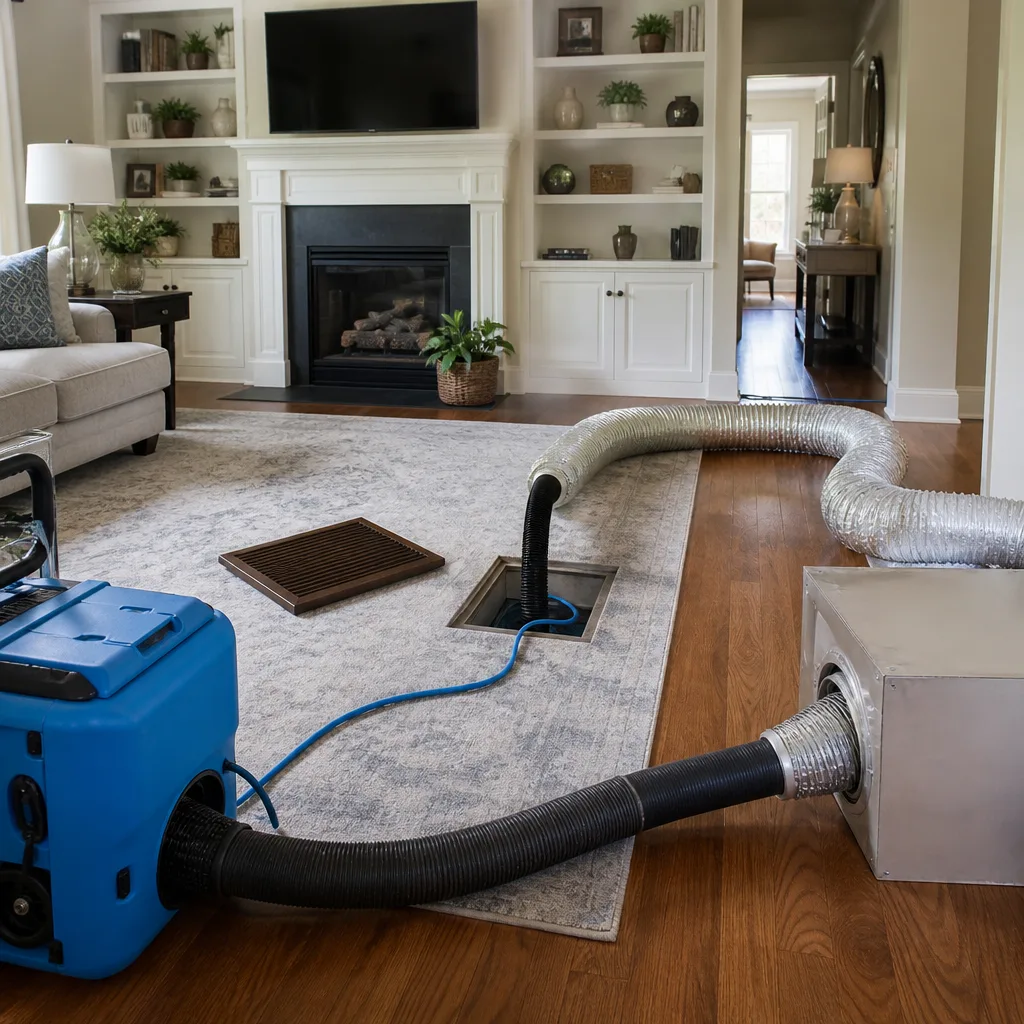 Whole-home duct cleaning
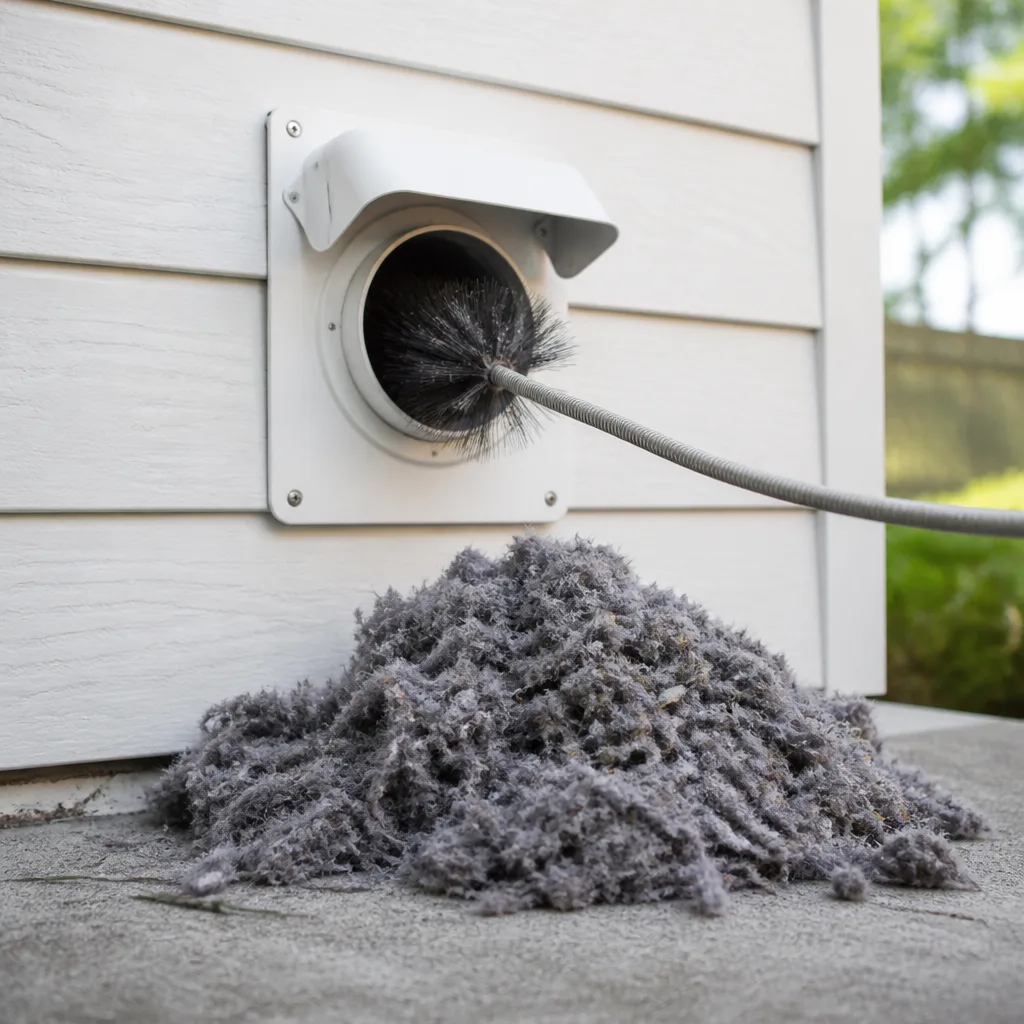 Dryer vent cleaning
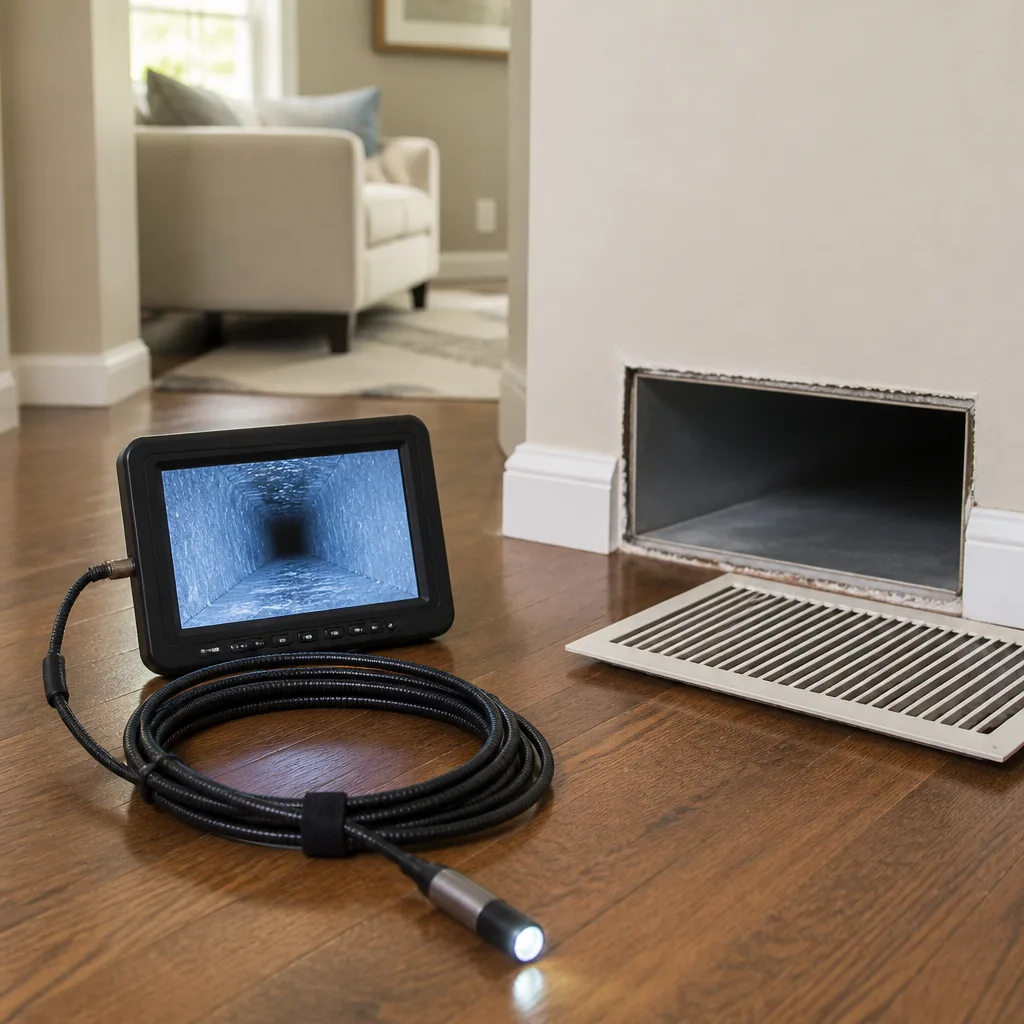 Camera inspection
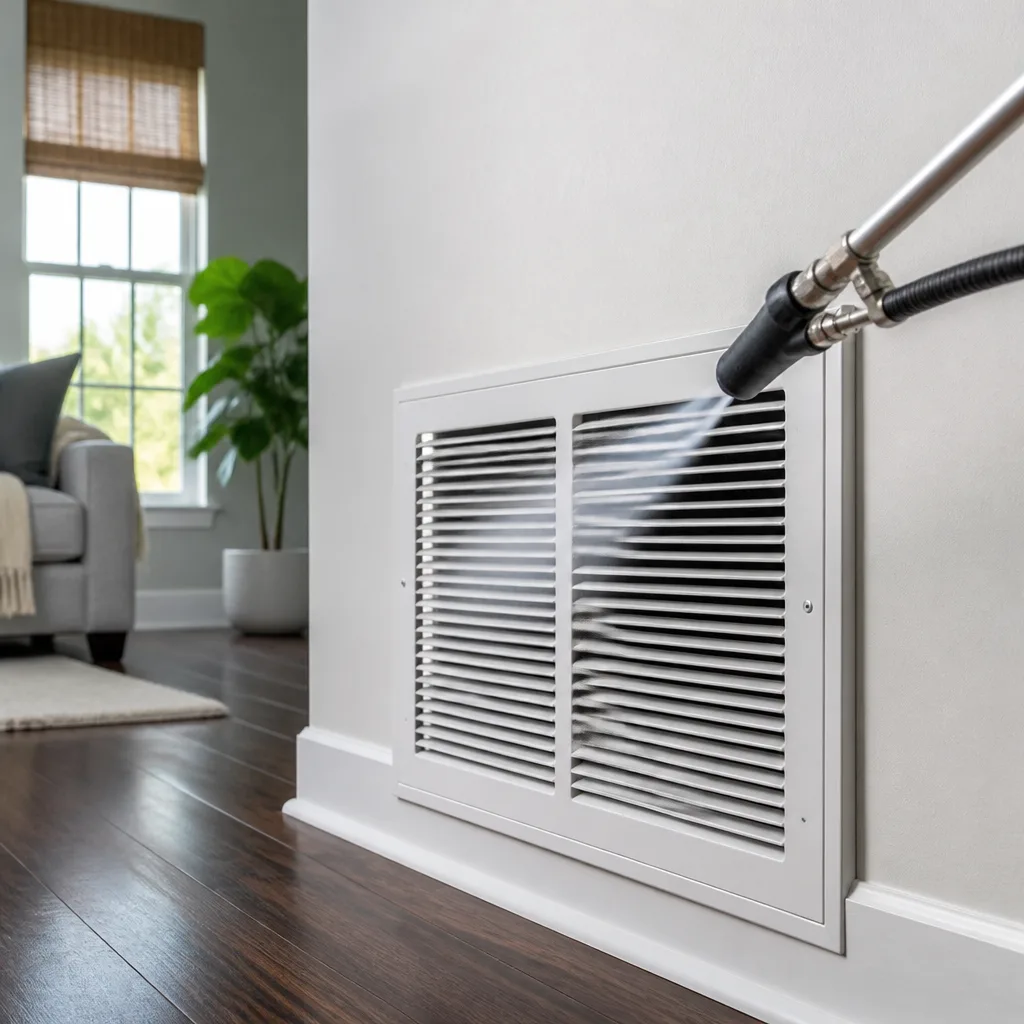 Sanitizing & deodorizing
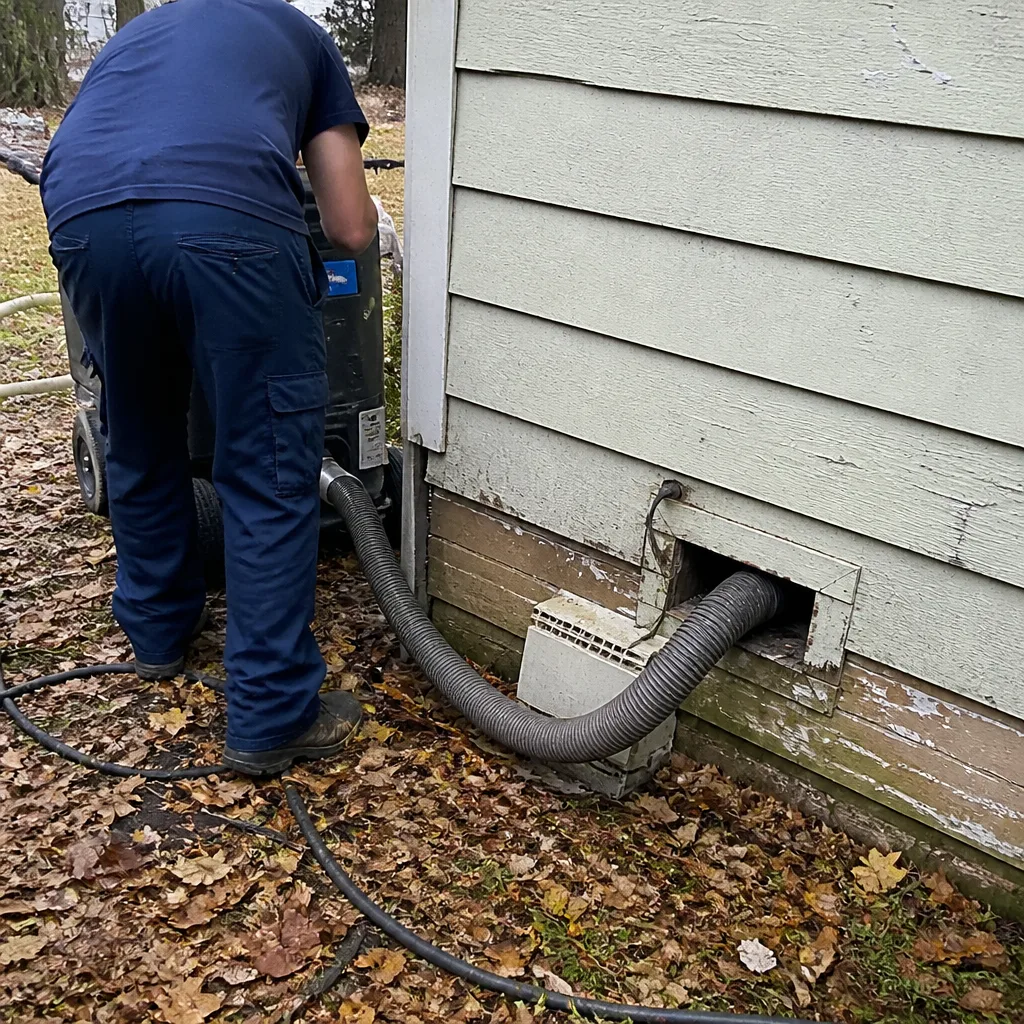
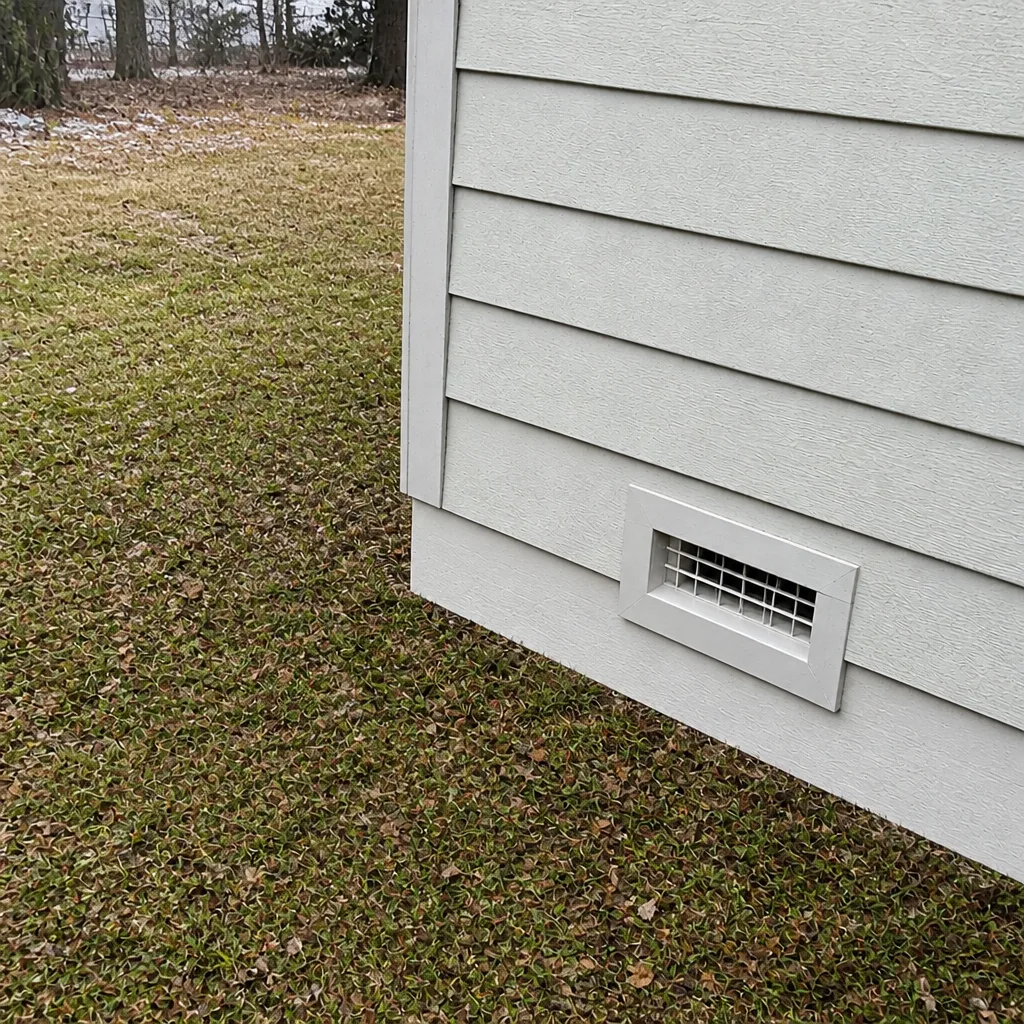
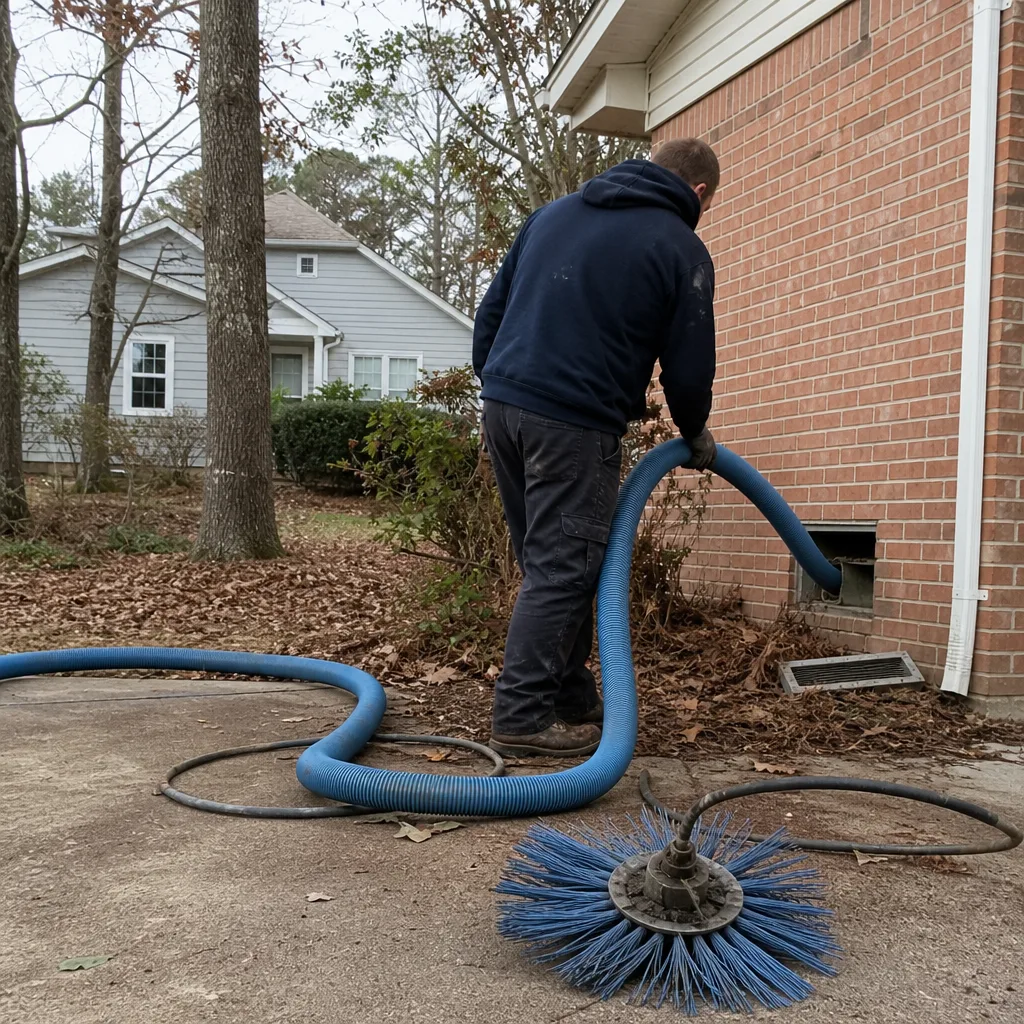
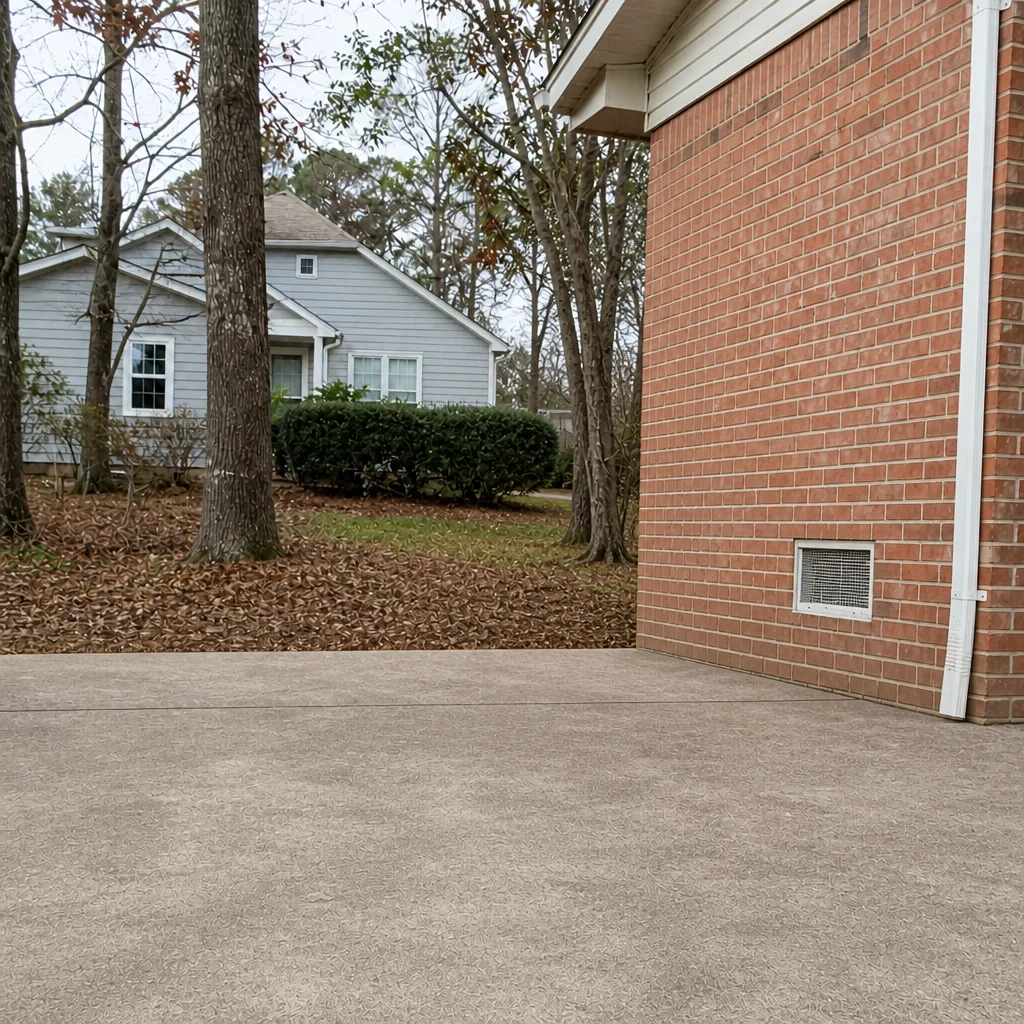
Whole-system duct and dryer vent check with before-and-after photos - you see exactly what came out of your vents
That "$99 whole-house special" is a bait ad - the real number appears once they are in your hallway, or the "clean" is a shop-vac at the register. We photograph the inside of your ducts before and after instead.
Seasonal Air Duct Cleaning Care for Lake Jeanette: Year-Round Homeowner’s Guide
Most homeowners treat duct cleaning as a once-a-decade chore, something to check off when the vents start looking dusty. That thinking misses what actually happens inside a Lake Jeanette duct system across a full year. Our seasons don’t just change the thermostat reading; they create four distinct contamination events, each with its own threat and its own best response window. Spring loads ducts with oak and grass pollen. Summer turns humid crawlspaces into a mold-risk environment. Fall combustion startup pushes carbon particles into supply runs. Winter static charge glues fine particulate to duct walls. This guide walks through each season and shows you how to build a cleaning calendar tied to your home’s construction, fuel source, and surrounding landscape.
Quick Answer
Seasonal air duct cleaning in Lake Jeanette works best when it follows the local contamination cycle rather than a generic annual schedule. The highest-priority cleaning window is late May through June, right after oak and grass pollen peak, with a second appointment in October after the first heating cycle stirs combustion particles. January is the smartest month to book pre-spring prep because demand is low and you’re working ahead of the pollen load.
Styles & brands we work with
- Whole-home duct cleaning
- Dryer vent cleaning
- Camera inspection
- Sanitizing & deodorizing
Table of Contents
- Why Lake Jeanette Ducts Face Four Different Threats a Year
- Spring: Post-Pollen Cleaning Is the Year’s Highest Priority
- Summer: Humidity and the Crawlspace Liner Problem
- Fall: Combustion Startup and the First Heating Cycle
- Winter: Static Charge, Particle Adhesion, and the January Advantage
- How to Build a 12-Month Duct Calendar for Your Home
- Construction Type, Fuel Source, and Landscape: Three Variables That Change Everything
- What to Check Each Season (Not DIY Cleaning)
Why Lake Jeanette Ducts Face Four Different Threats a Year
Piedmont North Carolina sits in a climate zone where all four seasons deliver real weather, and each one loads the duct system differently. That’s the part a general “get your ducts cleaned every few years” recommendation ignores. The particle profile inside a Lake Jeanette home in April looks nothing like the one in November. Pollen dominates one month, combustion byproducts another, mold spores and humidity another.
The practical result is that cleaning is not an event; it’s a rhythm. When you match the work to the season, you remove each contamination load before it has time to settle, compact against duct walls, or migrate into the air handler and coil. When you don’t, the loads stack.
Here’s the rough seasonal map for a Lake Jeanette home:
- Spring (March through May): Oak and grass pollen peaks. Filters load fast; return plenums collect fine yellow-green dust.
- Summer (June through August): Dew points climb, unconditioned crawlspaces and attics stay above 60% relative humidity, and fiberglass duct liner becomes vulnerable to moisture-driven degradation.
- Fall (September through November): First heating cycle pushes combustion particles and settled summer dust into supply runs. Flue gas backdraft risk rises.
- Winter (December through February): Indoor relative humidity drops, static charge builds, and fine particulate clings to duct walls in a way that’s harder to dislodge later.
We see the difference when we run contact cleaning in different months. A spring job pulls out soft, loose pollen. A winter job pulls out compacted, statically bonded dust that needs more mechanical agitation. Same duct system, different job. That’s why this guide is seasonal rather than generic, and why air duct cleaning in Lake Jeanette done right starts with understanding when you’re calling us.
Spring: Post-Pollen Cleaning Is the Year’s Highest Priority
The single most important cleaning window for a Lake Jeanette home is late May through June. That’s after oak and grass pollen have peaked and before summer humidity takes hold. If you clean earlier, you clean twice. If you clean later, you’re cleaning humidity-triggered contamination on top of the pollen load, and the job gets bigger.
What happens in spring
Piedmont pollen season typically runs from March into May, with oak leading and grass pollen following. Every HVAC cycle during that span pulls air through the return and pushes fine particulate into the supply trunk and branch runs. Much of it collects at the filter, but the fraction that gets past, or that accumulates on the return side, ends up as a visible film inside the ducts.
By June, most Lake Jeanette homes have a return plenum with a light-to-moderate pollen and dust layer. In homes with standard pleated filters and wooded lots, that layer is heavier, sometimes with visible yellow-green tint at the filter frame and the first few inches of return duct.
How to assess filter loading after oak and grass pollen peaks
- Inspect the filter around June 1. Hold a spent pleated filter up to a light. If you can’t see light through it in the center, loading was heavy and the ducts likely took on more than usual.
- Check the filter frame and first section of return duct. A visible dust ring around the filter edges is where unfiltered bypass air leaks in and coats the return trunk.
- Look at the supply registers. A fine dark or yellowish dust line along the register vanes usually points to debris that has settled in the supply trunk.
- Note any increase in allergy symptoms or dust on furniture. June is the month where this is most likely to show up in a Lake Jeanette home.
Post-pollen cleaning in this window is the highest-value single appointment on the calendar. The debris is loose, easily dislodged with a Rotobrush brush-and-extract system, and never has to fight summer humidity. If you only clean once a year, clean in June. Our air duct cleaning service is built around that timing.
Summer: Humidity and the Crawlspace Liner Problem
Summer is the season when a duct problem you can’t see is developing in the crawlspace. When summer dew points climb and unconditioned crawlspaces sit above 60% relative humidity, fiberglass duct liner and insulation become vulnerable to moisture accumulation. Wetted fiberglass doesn’t just lose R-value. It becomes a surface where biological growth can take hold, and that’s the difference between a dust problem and a contamination event.
What’s different about Lake Jeanette summers
Piedmont summers are long and humid. That means crawlspaces and attics stay wet for weeks, not days, and HVAC systems run long cycles, drawing humid crawlspace or attic air through any duct leak. Homes on wooded lots in Lake Jeanette, especially those with older flexible duct runs in the crawl, are the most exposed. If you have a heat pump with an air handler in the attic, the risk climbs further because the air handler itself becomes a condensation surface.
What to look for before it becomes a contamination event
- Musty odor when the air first comes on. That first-cycle smell in August is the clearest warning sign.
- Visible moisture or discoloration on flex duct in the crawlspace. A flashlight walk-through in early August is worth doing once.
- Sagging, compressed, or torn insulation on duct runs. Compressed insulation loses R-value and becomes a surface where condensation forms.
- Condensate line backups at the air handler. Standing water at the base of the unit is a fast route to microbial growth.
- Mold-adjacent smells or visible growth on duct board or liner. If this shows up, professional containment-level cleaning is not optional.
For mold-adjacent concerns, we bring Abatement Technologies containment equipment into the job, the same grade of equipment used by remediation contractors. The cleaning phase uses HEPA-rated containment to keep dislodged contaminants from migrating into living space, then a sanitizing phase with Guardsman-grade protective products. If you suspect the crawlspace is the source, this is the season to clean the HVAC system rather than just the ducts, because the coil and cabinet are where summer humidity leaves its mark.
Fall: Combustion Startup and the First Heating Cycle
The first heating cycle of the year is the single most under-thought moment in a Lake Jeanette home’s air-quality calendar. It’s the day carbon-based particles enter the supply ductwork. If you heat with gas or oil, that first burn is where combustion byproducts, dust that has settled on the heat exchanger over the summer, and any backdraft from the flue can cycle into the air stream. If you heat with a heat pump, the process is subtler but still real: the first heated air carries the summer’s settled dust off every duct wall at once.
A pre-season combustion startup checklist
We are not a combustion-safety company, and this checklist is general guidance and not a substitute for a licensed HVAC or gas technician.
- Schedule a heat exchanger inspection before the first cold snap. A technician should look for cracks, corrosion, or blocked passages. A compromised heat exchanger is a carbon monoxide concern, not a dust concern, and it needs an HVAC professional.
- Verify flue draft. If a gas furnace backdrafts on startup, exhaust gases can enter the supply stream. This is a professional check.
- Replace the filter before first burn. A summer-loaded filter chokes airflow right when the system needs it most.
- Note any smell on first heat cycle. A slight dust-burning smell that fades in a few minutes is normal. A lingering or sharp smell is not.
- Book duct cleaning after the first heating cycle, not before. Cleaning in October catches both the summer buildup and the first-heating-cycle carbon load in one job.
Why cleaning follows the first heating cycle
If you clean in September, you miss the first cycle’s particle load. If you clean in November, you catch it all: summer crawlspace dust, pollen that slipped past June cleaning, and the first burn’s carbon particles. The optimal fall window for a Lake Jeanette home is late October. That’s a few weeks into the heating season, when the first cycle has already stirred settled debris into the air stream.
Winter: Static Charge, Particle Adhesion, and the January Advantage
Winter is the quietest season in Lake Jeanette’s duct calendar, and that’s exactly why it’s the smartest time to book. Indoor relative humidity drops sharply, static charge builds on duct surfaces, and fine particulate in the air stream clings to duct walls with more force than it does in summer. Cleaning in winter removes that statically bonded layer before spring pollen adds to it, and scheduling is far easier than in June.
Why static matters more than it sounds
When indoor humidity drops, dust particles and duct surfaces pick up opposing charges. The result is a film of fine dust that physically adheres to the interior of the duct work, especially on flexible duct and metal trunk runs. It’s not loose. It doesn’t blow out. It sits there until it’s mechanically dislodged. That’s why brush-based contact cleaning works when a blower alone doesn’t. The Rotobrush system brushes the duct walls while a simultaneous HEPA extractor captures the dislodged material, which is the only reliable way to remove a winter static layer.
What a winter cleaning prevents
- Compacted dust that shadows the pollen layer during spring, making June cleaning much harder.
- Static-bonded particulate shedding into the air stream during the dry December-to-February stretch.
- Fine dust on the blower wheel and evaporator coil, which degrades system efficiency in every season.
- Missed mold-adjacent surfaces that could dry out and stop signaling an issue, but not stop being a problem.
Why January is the best cleaning month
Demand is low, scheduling is easy, and you’re working ahead of the spring load. A January cleaning gives you a clean baseline before pollen season and lets you schedule the June follow-up without competing for a slot. For a Lake Jeanette home, that means three good decisions in one: remove the winter static layer, catch anything the fall cleaning missed, and prep for a lighter spring.
How to Build a 12-Month Duct Calendar for Your Home
A generic “clean your ducts every three to five years” schedule ignores the fact that no two Lake Jeanette homes face the same seasonal load. Three variables change the calendar: construction type, fuel source, and surrounding landscape. Here’s how to build a specific calendar, and why each variable matters.
The three variables
- Construction type. Homes with flex duct in a crawlspace or attic need more frequent inspection; rigid metal duct holds up better. Duct board is the middle case, vulnerable if moisture reaches it.
- Fuel source. Gas and oil furnaces add a fall combustion-startup cleaning window; heat pumps don’t, but still need the October first-cycle clean. Ducted systems with a wood stove or fireplace insert connected to the HVAC add a heavier winter particle load.
- Landscape. A Lake Jeanette home on a wooded lot sees a heavier spring pollen and leaf-litter load than one in an open subdivision. Wooded lots need an earlier spring cleaning window (late May rather than early June) because oak and grass pollen arrive and leave earlier under canopy cover.
A 12-month calendar to start from
- January: Full contact cleaning. Rotobrush brush-and-extract on all trunk and branch runs, Nikro HEPA capture for fine particulate, and a filter change.
- Late February: Inspection of crawlspace and attic duct runs. Check for condensation, sagging insulation, and visible moisture.
- March: Filter change as pollen starts. Note the first visible dust on furniture and registers.
- April: Filter change at the peak of oak pollen. Do a visual on the return plenum.
- Late May through June: Post-pollen cleaning. The single highest-priority appointment of the year.
- July: Crawlspace and attic inspection, focused on humidity damage and duct insulation integrity.
- August: Filter change, and check for musty odors when the air first cycles in the morning.
- September: Heat exchanger inspection and flue draft check before heating season, for combustion-fuel homes.
- Late October: Post-first-heating-cycle cleaning. Catch the summer buildup and the carbon particle load in one job.
- November: Second filter change ahead of winter. Note static dust on registers.
- December: Filter check at winter’s driest stretch. Confirm nothing is shedding into the air stream.
Adjust this calendar to your home. A wooded-lot Lake Jeanette home with gas heat and flex duct in the crawlspace runs a heavier schedule, with post-pollen cleaning moved to late May and inspection in early rather than late summer. An open-subdivision home with rigid duct and a heat pump can drop a mid-winter filter change. We help homeowners map this in a walk-through. Our dryer vent cleaning fits into the fall slot alongside the post-startup duct clean and is often the most overlooked piece of the calendar.
Construction Type, Fuel Source, and Landscape: Three Variables That Change Everything
Two homes on the same street in Lake Jeanette can need completely different duct calendars. Construction type changes the moisture vulnerability. Fuel source changes the fall particle load. Landscape changes the spring pollen timing. Here’s how each variable plays out in practice.
Construction type
Rigid metal duct is the most durable interior and the easiest to clean with contact method. Flex duct is common in Lake Jeanette homes built after the mid-1990s, and it has a corrugated interior that catches dust at the ridges, especially when it runs through a humid crawlspace. Duct board is the most sensitive surface to moisture; once it absorbs humidity it can support biological growth. Homes with duct board in a crawlspace or unconditioned attic should be inspected every summer, not just cleaned.
Fuel source
Gas and oil furnaces add one specific cleaning window – late October, after first heating cycle – that heat pump homes don’t need. They also add a combustion-safety check that belongs with a licensed HVAC technician. Ducted wood stoves or fireplace inserts shift the winter particle load up significantly, and often shift duct cleaning from an annual-or-less rhythm to a twice-a-year reality.
Landscape
A Lake Jeanette home surrounded by mature oak and pine has a heavier and earlier spring load than one in an open lawn-and-shrub subdivision. The wooded-lot timing moves post-pollen cleaning to late May. The open-subdivision timing is closer to early June. Neither is wrong; they’re just different windows. Pine pollen, which runs alongside oak in Piedmont North Carolina, leaves a fine yellow film that clings longer than grass pollen and is one reason our brush-and-extract method matters more on wooded lots.
We see this in our work: two Lake Jeanette homes that both clean once a year on the same month still get different results depending on construction, fuel source, and landscape. The calendar has to match the house.
What to Check Each Season (Not DIY Cleaning)
This is the part we’re careful about, because duct interiors, the air handler, and combustion equipment are not homeowner DIY territory. A visual inspection is different from a hands-in-the-duct project. Here’s what you can check safely each season, and where a trained professional should take over.
Seasonal checks you can do safely
- Filter inspection and replacement. Monthly look, replace on the manufacturer’s schedule or after heavy pollen.
- Register visual. A flashlight look at the register vanes and the first inch of visible duct.
- Crawlspace and attic walk-through. Look at the duct runs, insulation, and air handler base. Do not touch electrical or gas connections.
- Odor cues. Note the air quality on first cycle each morning. That’s your seasonal early warning.
- Condensate line. Verify no standing water at the air handler base.
Where a professional takes over
- Interior duct cleaning. Contact cleaning with Rotobrush brush-and-extract, plus Nikro HEPA-rated capture for fine particulate.
- Duct repair and sealing. Leaky return and supply runs pull attic or crawlspace air; sealing changes the whole equation.
- Mold-adjacent remediation. Abatement Technologies containment and Guardsman-grade sanitizing.
- Air quality improvements. Aprilaire and Honeywell filtration or humidity control installed in the same appointment as cleaning.
- Heat exchanger and flue inspection. This is an HVAC or gas technician’s job, full stop.
- Dryer vent safety. Lint clearing with HEPA capture, checked for vent length, elbows, and termination type.
If you’re not sure whether a seasonal smell or a visible dust film calls for cleaning or just a filter change, that’s a good question for a walk-through. The estimate is free and the price is set per job by the written estimate.
Common Mistakes to Avoid
- Cleaning before pollen peaks. A March cleaning in Lake Jeanette misses the oak and grass load entirely. You clean twice and waste a season.
- Cleaning only once, and doing it in July. July combines the spring load with summer humidity. Cleaning alone doesn’t address crawlspace moisture, and you still get the musty smell back in August.
- Skipping the fall first-heating-cycle window. A September clean misses the carbon particle load that appears when the heat first comes on. Late October catches both.
- Looking only at the filter, never at the return plenum. A clean filter doesn’t mean clean ducts. Air bypasses the filter frame and coats the return trunk, and that’s where most of the visible Lake Jeanette dust lives.
- Assuming a static layer will blow out. Winter static bonds fine particulate to duct walls. A blower alone won’t remove it; only mechanical contact cleaning works.
- Combustion startup with no heat exchanger check. This is a safety concern, not a cleaning concern. Book the inspection before the first cold snap every fall.
- Booking the crawlspace inspection after a summer of visible water damage. By August, a wetted liner is a remediation job, not an inspection. Look in July.
See the difference
 Before
 After
 Before
 After
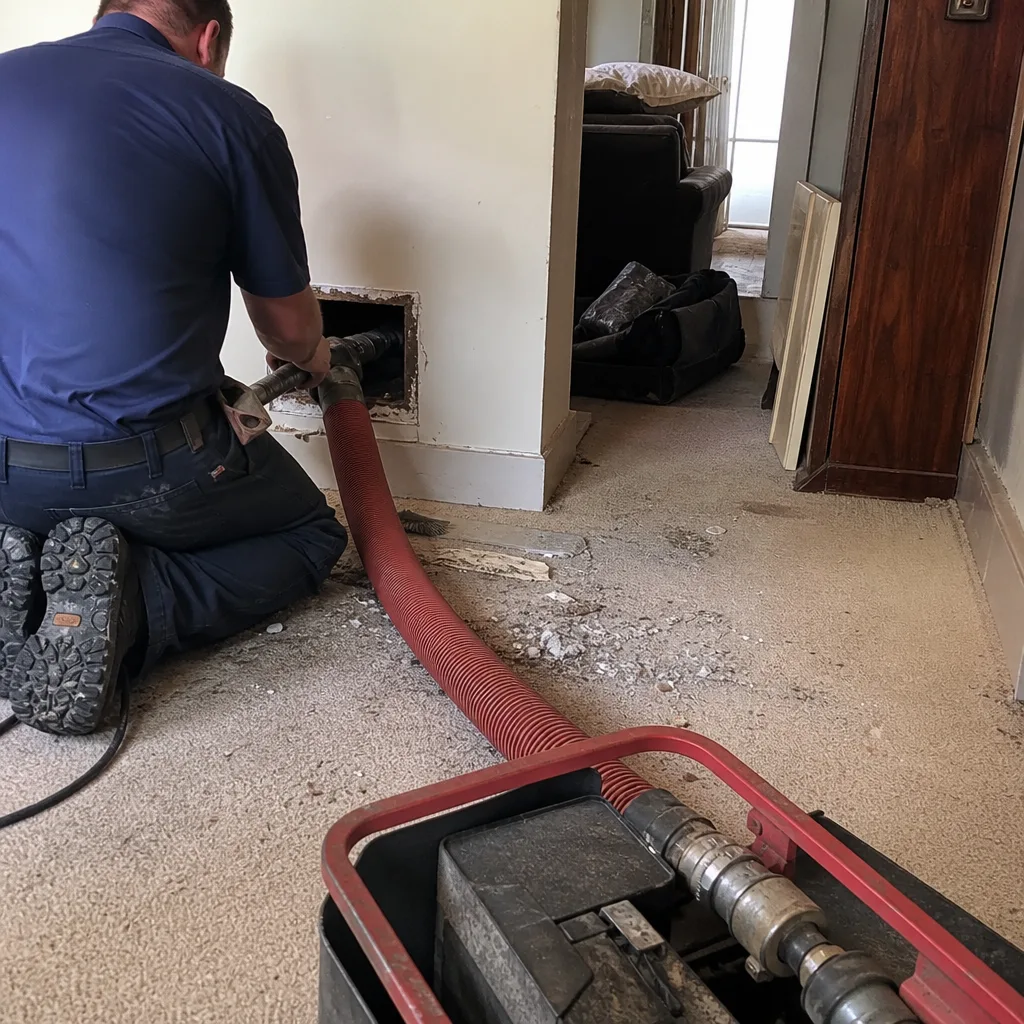 Before
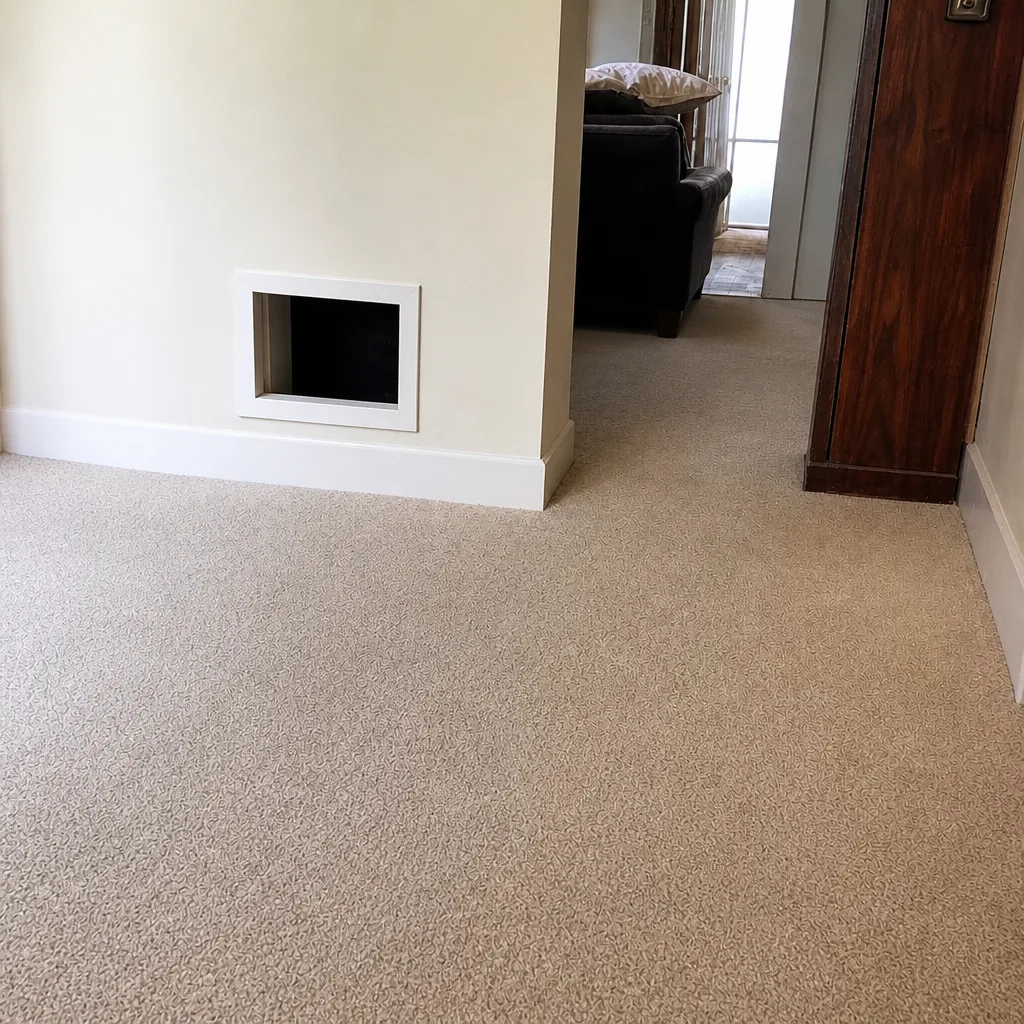 After
When to Call a Professional
Call a professional if you see moisture, discoloration, or microbial growth on duct surfaces, if the air smells musty on first cycle, if a heat register blows visibly dark dust, or if anyone in the home has asthma or allergy sensitivity and dust has been rising for more than a season. Also call if you’ve never had the ducts cleaned and your home has flex duct in the crawlspace with visible condensation, or if you’re prepping a Lake Jeanette home for sale and want a documented cleaning before listing. Duct repair and sealing on leaky runs is another clear professional call, since a sealed return pulls cleaner air and changes what accumulates. Air Duct Cleaning Lake Jeanette offers free estimates in Lake Jeanette – call (877) 792-7174. We answer 24/7. Fast dispatch from 7am to 7pm, Sunday through Friday. The local professional is licensed and insured as their state requires, and every quote is one flat price per system agreed before work begins, documented with before-and-after photos of your own ducts.
Frequently Asked Questions
Most Lake Jeanette homes benefit from a post-pollen cleaning in late May or June, and a second post-startup cleaning in late October. That’s a twice-a-year rhythm for wooded lots with gas heat and flex duct in the crawlspace, and once a year for open-subdivision homes with rigid duct and a heat pump. The number that matters is the contamination load, not a calendar interval. Call (877) 792-7174 for a free walk-through and an exact quote.
January for pre-spring prep, June for post-pollen removal, and late October for post-startup carbon particle removal. Those three windows catch the loose pollen load, the winter static layer, and the first heating cycle’s contributions, respectively. If you can only book one, book June. Call (877) 792-7174 for an exact quote.
Because the load isn’t done arriving until oak and grass pollen finish in late May. Cleaning during pollen season means you pull debris out while new debris is still coming in. Waiting until the second half of May or early June catches the whole spring load in a single appointment. Call (877) 792-7174 to schedule a post-pollen cleaning.
Yes, especially when the liner is fiberglass and inside an unconditioned crawlspace or attic. Above 60% relative humidity for the long Piedmont stretches, wetted liner can support biological growth and loses insulating performance. A July crawlspace inspection is the way to catch it before August. Call (877) 792-7174 for a walk-through quote.
Schedule a heat exchanger inspection and a flue draft check with a licensed HVAC or gas technician, replace the filter, and note any lingering smell on the first burn. Then book duct cleaning for late October, after the first heating cycle has already pushed carbon particles into the supply runs. Call (877) 792-7174 for an exact cleaning quote.
Pricing is per system, not per vent, and it’s set by a written estimate after we look at the number of systems, the duct type, and the condition. We quote a flat price per system before work starts, which is the honest way to avoid the bait-and-switch that gives this trade a reputation problem. Call (877) 792-7174 for an exact quote – estimates are free.
The Bottom Line
Duct cleaning in Lake Jeanette works best when it matches the seasonal contamination cycle instead of a generic schedule. Spring loads the ducts with pollen; cleaning in late May or June catches the whole load. Summer tests the crawlspace and duct liner; July is the month for a moisture inspection. Fall brings the first heating cycle and its carbon particle load; late October is the cleaning window. Winter builds static charge and bonds fine dust to duct walls; January is the smartest month to clean ahead of spring. Set the calendar to your home’s construction, fuel source, and landscape, and the ducts stay ahead of the load every year. The team at Air Duct Cleaning Lake Jeanette is here when you need a professional walk-through.
Ready to build your home’s 12-month duct calendar? Call (877) 792-7174 for a free estimate. We answer 24/7. Fast dispatch from 7am to 7pm, Sunday through Friday. Every job is quoted at one flat price per system before work begins, with before-and-after photos of your own ducts so you know exactly what was removed. Our technicians have up to 13 years of experience, and we use the same professional-grade equipment – including Rotobrush and Nikro – that remediation contractors use. From duct cleaning to dryer vent service and HVAC coil cleaning, we cover the whole indoor air quality chain in a single relationship.
Written by the team at Air Duct Cleaning Lake Jeanette.